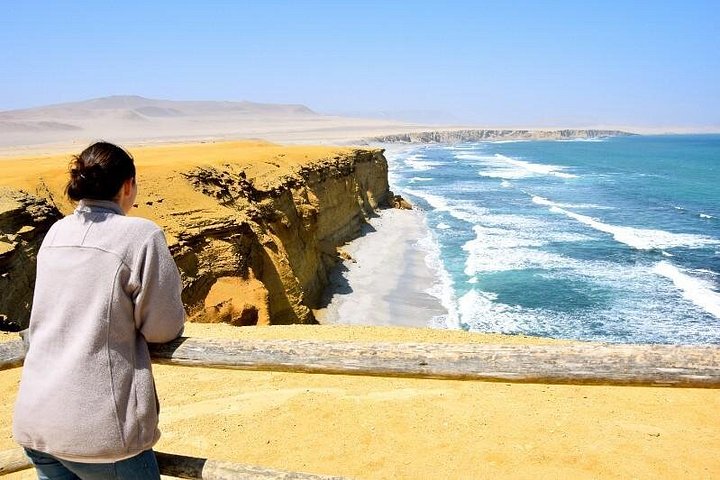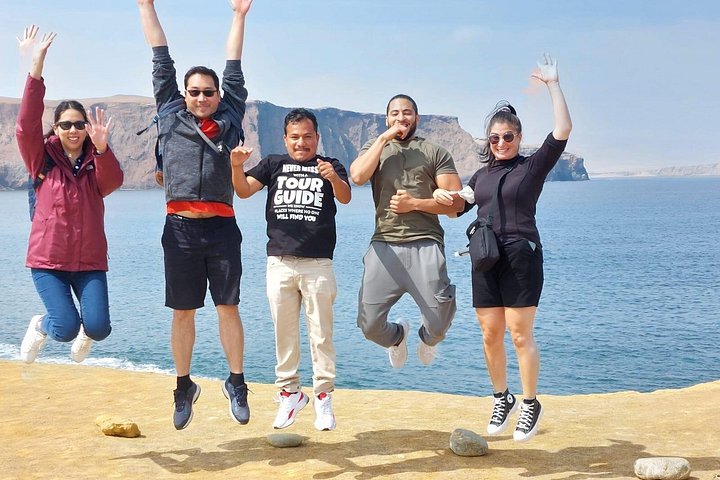
The Paracas National Reserve is a protected stretch of desert coast covering more than three hundred thousand hectares of land and sea, and it is one of the most dramatic landscapes in Peru. A half-day guided tour follows the sandy roads through the reserve to a series of stops: the visitor centre with its small exhibits, the red sand of Playa Roja, the sheltered fishing cove of Lagunillas, and the clifftop lookouts above the open ocean. The scenery feels like another planet, with rust-coloured cliffs, pale salt flats and turquoise water, and the guide adds context on the desert ecology, the marine life and the long human history of the peninsula.
Wildlife is a bonus. Flamingos feed on the shallow lagoons for part of the year, sea lions and pelicans fish along the cliffs, and condors are occasionally spotted riding the thermals above the dunes. The reserve also protects remains of the Paracas culture, whose weavers produced some of the finest textiles of the ancient Americas, and the tour often pauses to explain how the people lived on this arid shore. A well-known rock arch, the Cathedral, collapsed in an earthquake in 2007, but the view from the lookout is still worth the stop.
Plan for sun, wind and sand. The desert has almost no shade, and the breeze rises through the afternoon, so bring a hat, sunglasses and sunscreen and carry plenty of water. Entry to the reserve is usually charged separately and paid at the gate, so ask your operator what is covered.
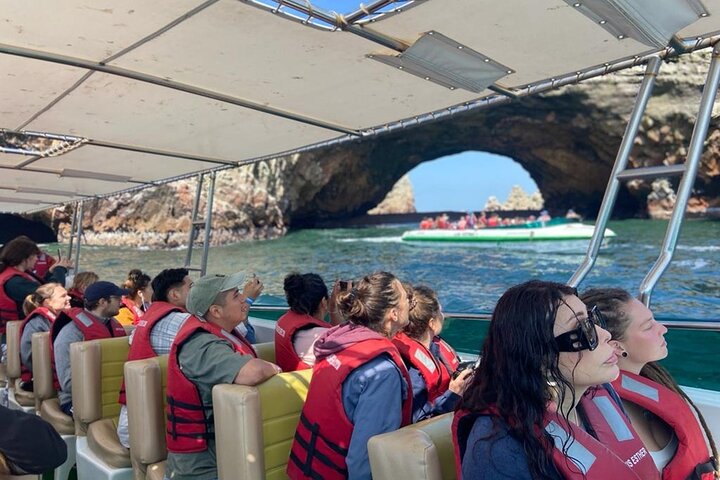
Roads are rough in places, and a van or small bus suits most people better than driving yourself. Children enjoy the beaches and the sandy viewpoints, though there are few facilities beyond the cove restaurants. Many travellers combine this tour with the morning boat to the Ballestas Islands, making a compact and rewarding day.
The reserve has a long human history that guides weave into the tour. Fishing communities lived along this coast for thousands of years, and the Paracas culture, which flourished around two thousand years ago, left cemeteries and textiles that are now among the great finds of Andean archaeology.
Many of the burial bundles were discovered on the peninsula, and the story of their excavation is told at the site museum and in the visitor centre. This background turns a scenic drive into something more meaningful, and it is the best reason to take a guided tour rather than simply wandering.
Think about timing and comfort. Tours run in the morning and afternoon, and the middle of the day can be very bright, so a hat and sunglasses are not optional. The wind often brings fine sand, so keep cameras covered when you are not shooting. Restrooms and refreshments are limited to the visitor centre and the fishing cove, so use them when you can.
If you plan to visit the beaches on foot, wear shoes that are easy to clean, and take a light towel if you want to dip your feet. The wide variety of landscapes in a short space makes the reserve a favourite with photographers.
Ask your guide where the best lookouts are for the time of day, as the light changes the colours of the cliffs. Carry small notes for the reserve entry and a snack for the road.
What to expect
The experience
A guided van or bus loop through the Paracas National Reserve with stops at beaches, cliffs and viewpoints.
Best time
Late morning to mid-afternoon for light; avoid the strongest wind of late afternoon.
How long
3 to 4 hours.
Tips
Hat, sunglasses, water, sunscreen and cash for the reserve entry and any lunch.
Quick picks
- Best for
- Landscape lovers and photographers.
- Families
- Children like the beaches and sandy lookouts.
- Couples
- Couples will like the quiet viewpoints.
- Pair with
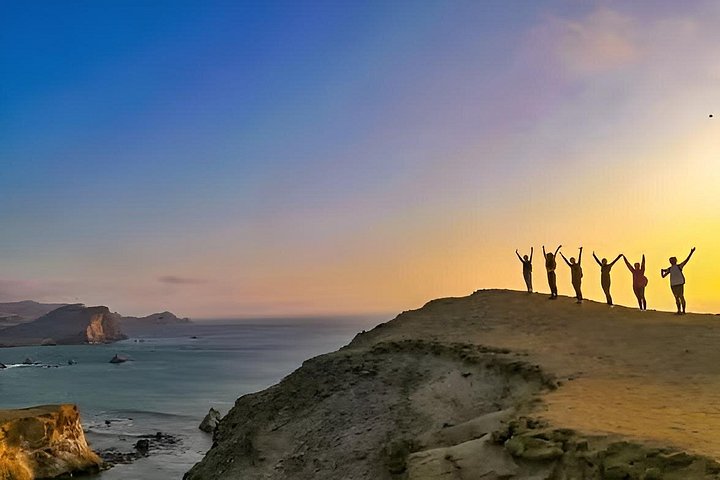
- Ballestas boat tour, Candelabra viewing or the sunset trek.
- Time needed
- Three to four hours.
Good questions
What is the Paracas National Reserve?+
A large protected area of coastal desert and ocean on the Paracas peninsula, set up to protect marine life, birds and archaeological sites.
Do I need to pay an entry fee?+
Usually yes. The reserve charges an entrance fee that is often separate from the tour price. Confirm what is covered when you book.
Can I see flamingos?+
Often, especially in the lagoons and shallows during the right season, but they are wild birds and sightings vary.
Is there shade or food?+
Very little shade. Small restaurants at the fishing cove serve seafood, so bring water and snacks for the rest of the loop.
What happened to the Cathedral rock?+
The famous arch collapsed in an earthquake in 2007. The coastline and lookout remain spectacular, and guides explain the history.