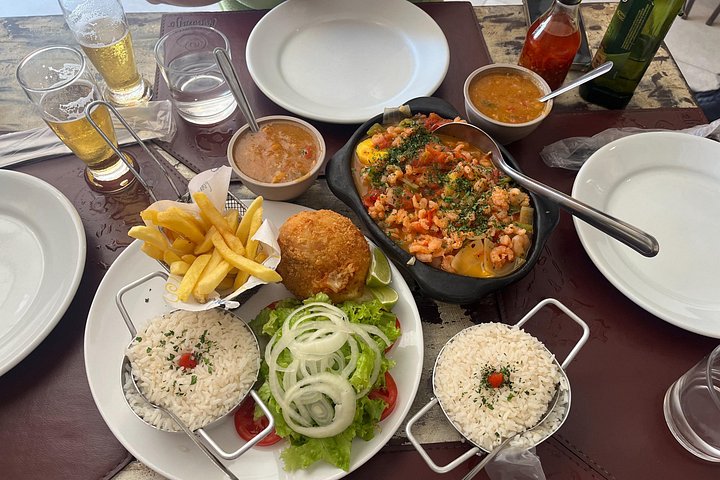
The caicaras are the traditional people of the Brazilian coast between Rio and Sao Paulo: descendants of Indigenous, Portuguese and African ancestors who lived by fishing, small-scale farming and gathering from the forest. Their cooking is simple, seasonal and generous, built from what the sea, river and garden provide. A cooking class in a local home is a warm way to taste it, and the experience goes beyond recipes to the stories of the family and community that cook this way. This Paraty Local Home Cooking Class of Caicara Flavors is a shared class led by a local host. You typically start with a look at the ingredients, many of which will be new: green bananas, cassava and its by-products, local fish, herbs and spices, and fruits that do not travel well. Then you cook, with guidance, a few dishes that might include a fish and banana stew, a cassava side, a salad of palm heart or other local vegetables, and a dessert. Afterwards, everyone sits at the table to eat together, which is the best part. Menus change with the season and what is fresh that day. The class is a good option for travellers who prefer participating to watching. It also supports local families directly. Details such as the menu, group size, dietary options and whether drinks are included depend on the host, so check the product. Guests with allergies or restrictions should tell the host in advance. The setting is a private home, so expect a friendly, informal atmosphere rather than a professional cooking school.
What the day is like
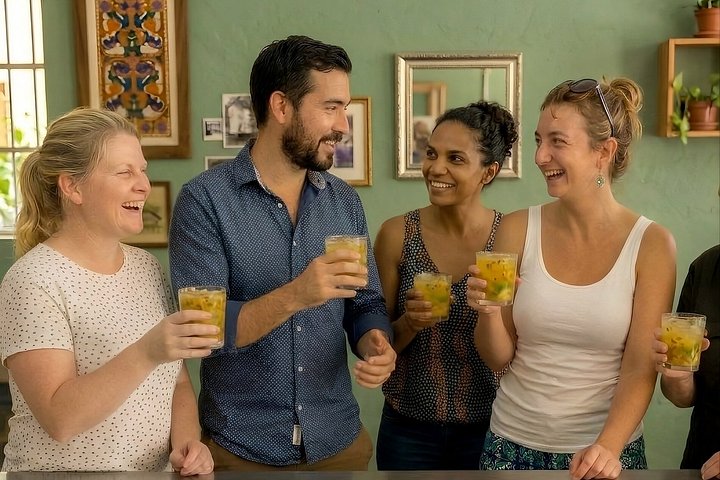
You arrive at the host's home, meet the family and start with a welcome drink. Cooking takes an hour or two, with plenty of chopping, stirring and tasting. The kitchen is warm, the conversation is lively, and the host explains the logic behind each dish. When everything is ready, you eat. It is a relaxed, sociable meal, usually with a sweet to finish and coffee.
How to do it well
Wear comfortable clothes you do not mind splashing, tie back long hair, arrive hungry and bring a notebook if you want to keep the recipes. Ask about buying ingredients and equipment locally, such as manioc flour or spices, to take home. Share your dietary needs early. Bring a small gift or tip if you enjoyed it, and take the host's tips on where to eat in town.
Who it suits
Food lovers, couples, solo travellers and families with older children. It is a good choice on a rainy day, when outdoor activities are not possible, and works equally well as a lunch or dinner. Vegetarians can usually be accommodated with notice. It is less suitable for travellers who dislike group activities or who need a restaurant-style meal on a schedule.
Good to know before you go
A class in a family home is a cultural exchange as well as a lesson, so be punctual, remove shoes if asked and treat the kitchen with care. Ask about local ingredients such as manioc flour, banana varieties and spices, and ask where visitors can buy them. You may be given recipes to take home, and many hosts welcome photos of the finished dishes. If you have dietary restrictions, tell the host when you book rather than on the day, so that the menu can be adjusted properly.
What to expect
The experience
A hands-on cooking class in a local home, preparing caicara dishes and then sharing the meal with your host.
Best time
Lunch or early dinner, and a good choice on a rainy day.
How long
About three hours.
Tips
Arrive hungry, tell the host about allergies and wear clothes you do not mind getting messy.
Quick picks
- Best for
- Learning to cook coastal Brazilian dishes with local people.
- Families
- Good for older children who enjoy cooking.
- Couples
- A shared, convivial experience.
- Pair with
- A food tour or cachaca tasting for a full flavour weekend.
- Time needed
- Half a day.
Good questions
What will I cook?+
Menus vary, but expect dishes built on fish, bananas, cassava, herbs and local vegetables, plus a dessert.
Do I get to eat what I cook?+
Yes, the class ends with a shared meal.
Can vegetarians join?+
Often yes, with advance notice. Tell the host when you book.
Is it in English?+
Check the product for languages. Hosts often speak some English or use a guide.
Can children take part?+
Older children who like cooking usually enjoy it. Confirm with the host.