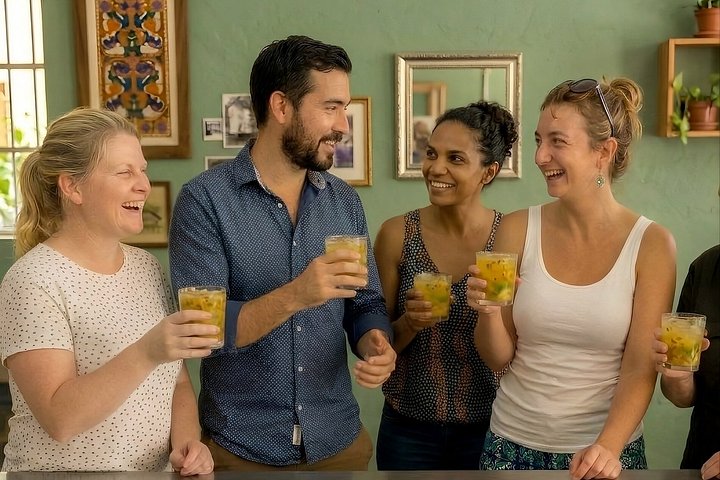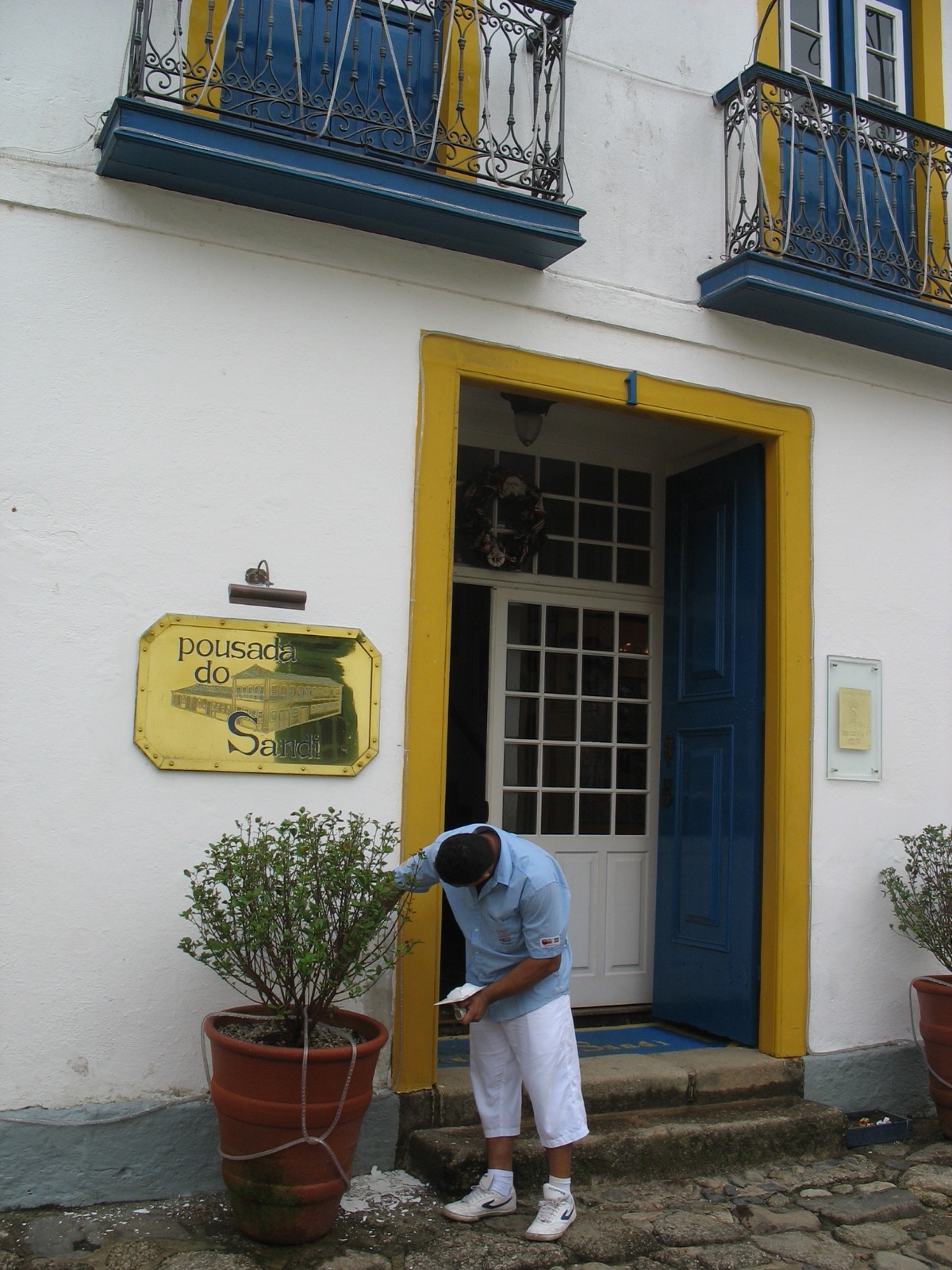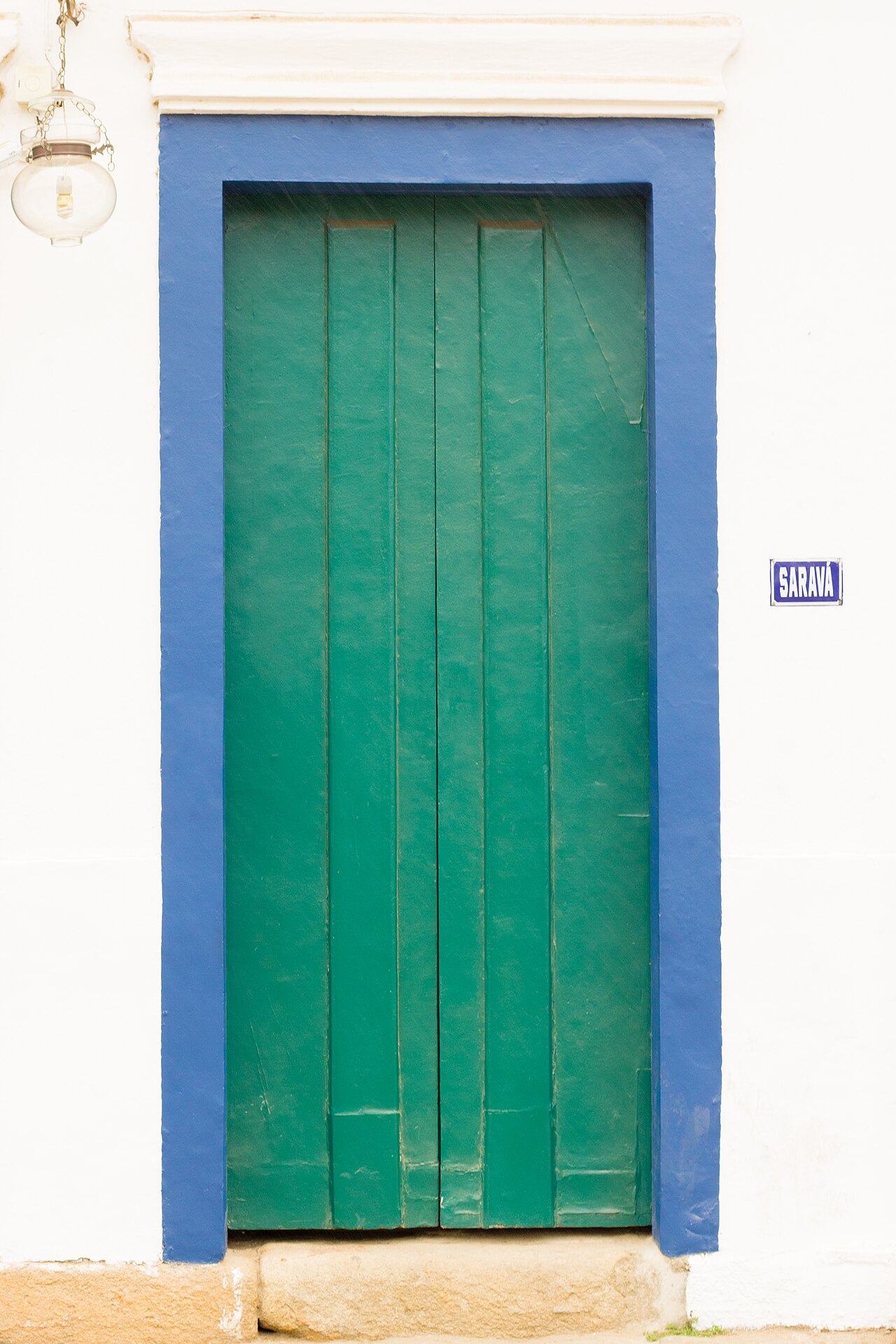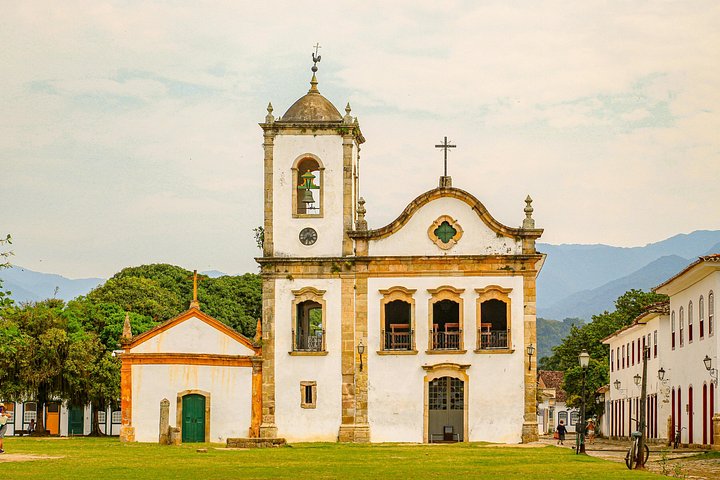
Paraty is one of the best-preserved colonial towns in Brazil, and the historic center is the reason most people come. Founded in the seventeenth century and grown rich in the eighteenth as the port through which gold from Minas Gerais reached the sea, it is a grid of whitewashed houses with brightly painted doors and window frames, laid out along streets paved with large, irregular river stones. Cars are kept out of the core, so you walk, and the pace is slow. The area around the town, together with the islands of Ilha Grande, was inscribed as a UNESCO World Heritage cultural and natural site in 2019, recognising the way the preserved town sits against the Atlantic forest and the bay. A guided walk adds what the streets alone do not say. This product combines a walking tour of the historic center with colonial history and a cachaca tasting. A guide explains why the streets are laid out the way they are, how the gold route worked, who built which church and why, and how the sugar cane and cachaca trade shaped the town after the gold ran out. The tasting is a pleasant way to meet the local spirit that is central to Paraty's identity, usually offered in a small measure alongside explanation of how it is made and how a good cane spirit differs from a rough one. The churches are the highlights of any walk. The Church of Santa Rita, with its pale yellow facade, dates from the early eighteenth century and was built for freed Black and mixed-race residents; Nossa Senhora do Rosario e Sao Benedito served the enslaved and Black community; the large Matriz of Nossa Senhora dos Remedios, a parish church, was the church of the wealthy families. This division, written in stone at opposite ends of the centre, is a way of reading Paraty's social history that a good guide makes vivid. Walks also take in the waterfront and the small harbour where schooners leave.
What the walk is like
Expect an easy, flat route of a couple of hours with frequent stops. The stones are uneven and polished by centuries of feet, so they are slippery after rain and punishing in thin sandals, and the sun is strong between late morning and mid-afternoon, so a hat and water matter. One memorable feature of the old town is that the streets were designed with a slight curve to channel water, and at very high tides, especially around new and full moons, the sea comes up through the drains and floods parts of the centre.
Locals take this calmly. If it happens during your stay, you may find the guide leading you through ankle-deep water.
How to do it well
Book a morning or late afternoon departure when the light is soft and the streets are quieter, then return in the evening on your own to see the lanterns, the galleries and the street musicians. Wear shoes with grip, bring a little cash for the shops you pass and carry a light layer in case of showers.
After the tour, the quiet side streets away from the main pedestrian lanes are worth an hour of wandering, because that is where the details of the architecture are easiest to enjoy. Ask the guide for restaurant and cachaca shop recommendations; they usually know where locals actually eat.
Who it suits
First-time visitors who want to understand the town in a couple of hours, couples, families with older children and anyone interested in colonial history. It is gentle enough for most ages, though visitors with limited mobility should know the surface is uneven. If you prefer to explore alone, you can still enjoy the centre for free, but a guide gives context that makes the churches, the harbour and the street grid much more meaningful.
A last practical note
The historic center is small but full of detail, so after the guided walk return alone and look into courtyards, galleries and small museums that you may have passed. Shops sell cachaca, crafts and clothing, and prices are usually fair, but compare before buying. Evening is the best time for photographs, with warm light on the whitewashed walls, and early morning offers the quietest streets.
What to expect
The experience
A guided walk through the car-free colonial core of Paraty, covering the gold-port history, the three church communities, the harbour and a cachaca tasting.
Best time
Morning or late afternoon, when the light is soft and the stones are cooler.
How long
Around two hours at an easy pace.
Tips
Wear shoes with grip, bring water and a hat, and expect water in the streets at very high tides.
Quick picks
- Best for
- Understanding the town's history in a short, enjoyable walk.
- Families
- Good for older children; the cachaca tasting is for adults only.
- Couples
- A relaxed introduction before a romantic dinner in the old town.
- Pair with
- A schooner cruise the next day or an evening stroll on your own.
- Time needed
- Half a morning.
Good questions
Is the historic center free to visit?+
Yes. The streets are open to walk at any time, and many shops and galleries are free to enter. Some churches and museums charge a small entrance fee or have limited hours.
Why do the streets flood?+
The old drainage design lets high tides push seawater up through the streets, mainly around new and full moons. It is a normal local occurrence, and the stones were laid to cope with it.
Are cars allowed in the centre?+
The historic core is closed to normal traffic, so you walk, and your hotel usually arranges luggage help if it is inside the pedestrian zone.
Is the tour suitable for children?+
Yes, for older children who can walk a couple of hours. The cachaca tasting is for adults, and a guide can usually adjust the pace.
What should I wear?+
Comfortable shoes with grip, light clothing, a hat and sunscreen. Bring a light layer or a small umbrella in case of showers.