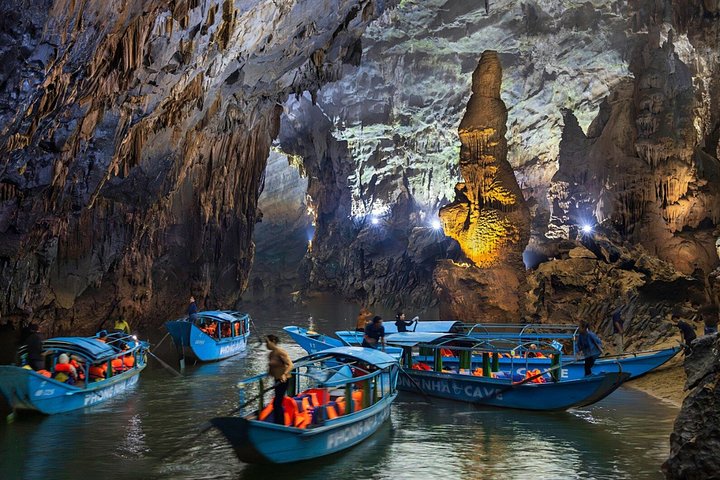
Phong Nha is famous for its caves, but the region also sits at the heart of the recent history of Vietnam. Quang Binh and its northern neighbour Quang Tri were among the most heavily affected areas of the war, and the limestone hills of the national park formed part of a supply route that became known around the world. This guide explains the main sites and how to visit them with respect.
The big picture
In the 1950s the country was divided along the Ben Hai River, near the 17th parallel, with a demilitarised zone on either side. Quang Binh lay just north of the line, in the North, and Quang Tri just south of it. During the war years the area saw heavy bombing and fighting, and local people adapted by living and working underground, in caves and tunnels, and moving supplies along roads and tracks hidden in the forest.
The Truong Son Road
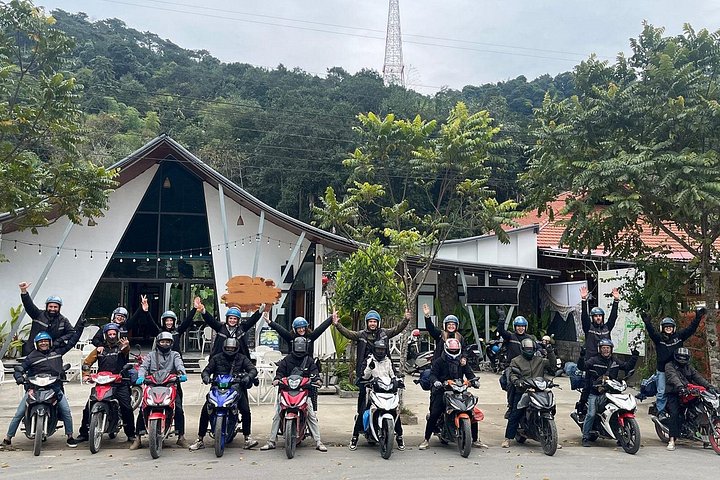
The Truong Son Road, the Vietnamese name for the supply route known in the West as the Ho Chi Minh Trail, ran along the border mountains of Vietnam, Laos and Cambodia. Its Quang Binh section passes through the same karst hills that make up the national park. Today parts of the route are a modern highway and others quiet country roads, with memorials, small museums and viewpoints. A day tour from Dong Hoi combines the road with a visit to Phong Nha Cave, so that history and landscape come together.
The caves as shelter
During the war years caves in the region were used for shelter, storage and even hospitals. Guides at Phong Nha Cave and elsewhere sometimes tell stories of how local people survived the bombing, and these accounts add a quiet seriousness to what are otherwise scenic outings. Ask your guide what they know; many have family members who lived through those years.
The Vinh Moc Tunnels
Across the old demilitarised zone in Quang Tri province, the Vinh Moc Tunnels are the most moving site in the area. An entire coastal village moved underground to escape the bombing, digging a network of tunnels with family rooms, meeting areas, wells and a maternity room. You walk through low, narrow passages, which are cool and dark, and learn how people lived there for years. The site is reached on the full-day DMZ tour from Dong Hoi, which also visits the Khe Sanh base. It is a long day, but it is the best single way to understand the region.
Khe Sanh and the highlands
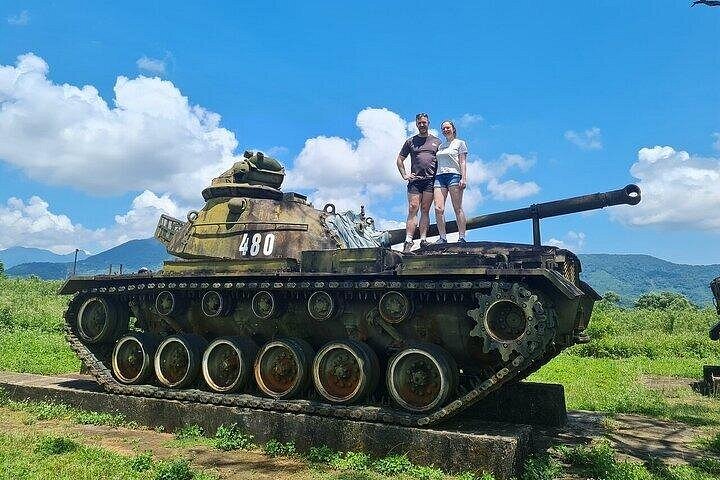
Khe Sanh is the name of a combat base in the highlands of Quang Tri, where a long siege took place in 1968. Today the site has a museum with aircraft, equipment, bunkers and photographs. The surrounding valleys are a coffee-growing district, producing mainly arabica, and a separate tour combines the history with a visit to a coffee farm. Many visitors find the combination of past and present thought-provoking.
Practical tips
These tours are long, with several hours of driving each way, so start early, carry water and snacks, and wear comfortable shoes. Tunnels are low and narrow, so people with claustrophobia or mobility issues should think carefully. Dress modestly at memorials, ask before photographing local people and keep voices low at sensitive places. Mobile coverage is patchy in the highlands.
Choosing a guide
The quality of a history tour depends on the guide. Choose small-group or private tours where possible, ask questions and listen to local perspectives. Visitors from different countries see the war from different angles, and thoughtful guides are used to this. If you are interested in a particular aspect, such as the experience of civilians or the geography of the supply routes, say so when you book.
Combining history and caves
A good three-day plan includes one day of caves, one of history and one of countryside or adventure. The Truong Son Road tour, which visits Phong Nha Cave, is a good compromise if you have limited time. The Vinh Moc and DMZ day works best as a full day, followed by a quieter one.
In the wet season
From roughly October to December, rain can disrupt cave access but history tours are often still possible, since they depend more on roads than on river levels. They make a good alternative when the caves are closed, though heavy storms can affect highland roads, so confirm the plan with your operator.