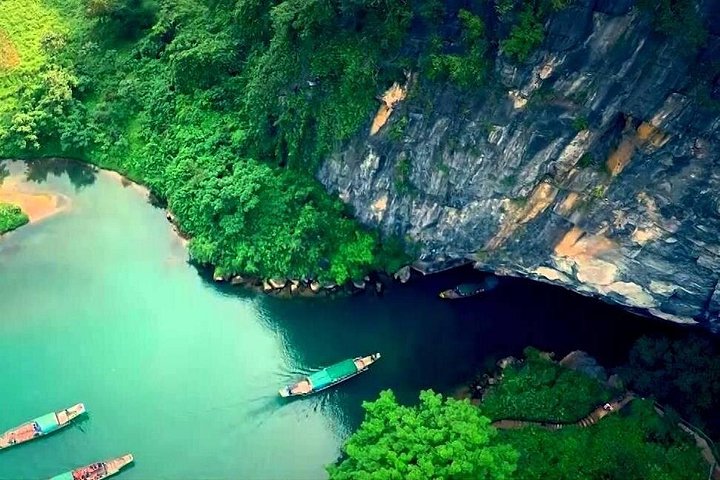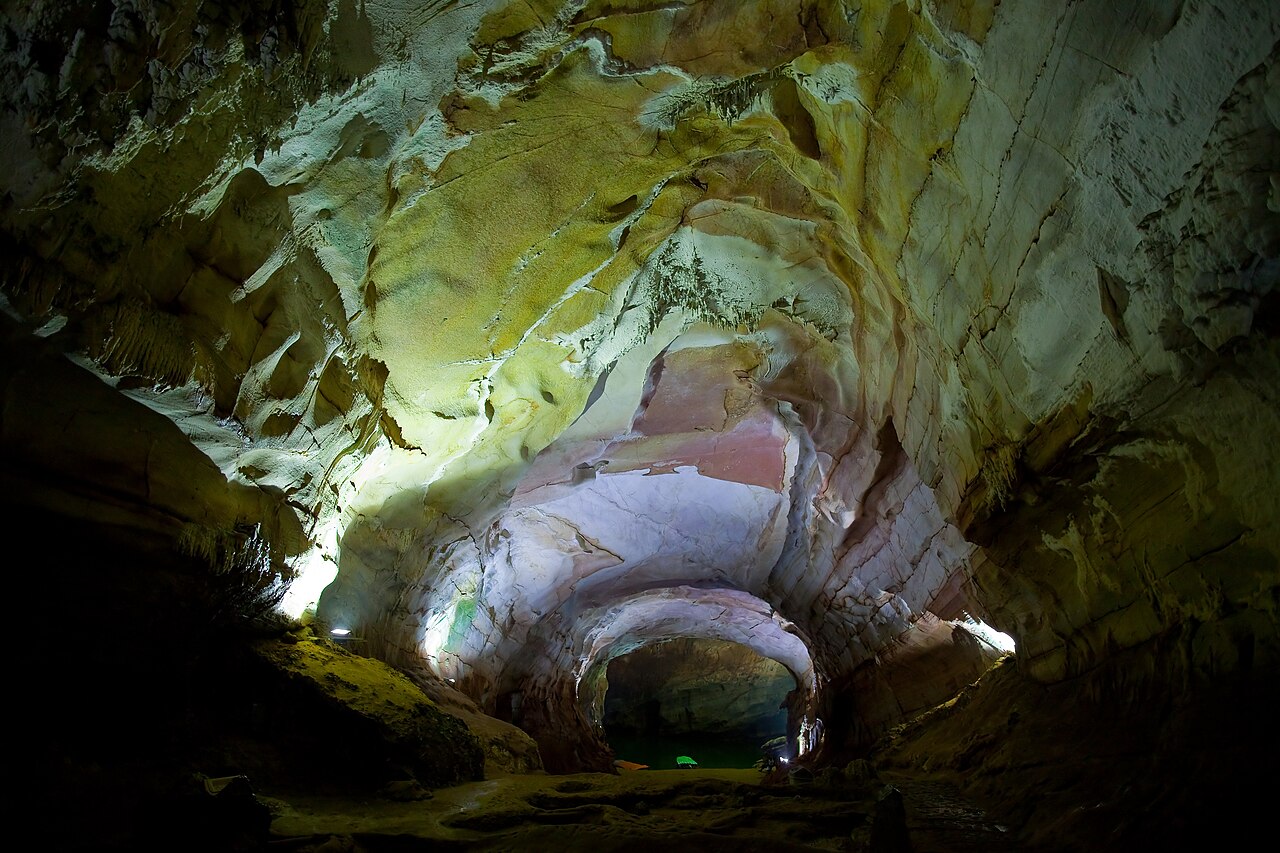
Phong Nha-Ke Bang is Vietnam’s cave country, a World Heritage landscape of limestone ridges, forest and rivers in Quang Binh province, roughly midway between Hue and the old demilitarised zone. It is quiet, green and rural, with a handful of famous caves, a small village for travellers and a long list of treks and adventures for those who want more. The challenge for a first visit is not finding things to do but choosing among them, and this guide explains how.
Start with the big picture
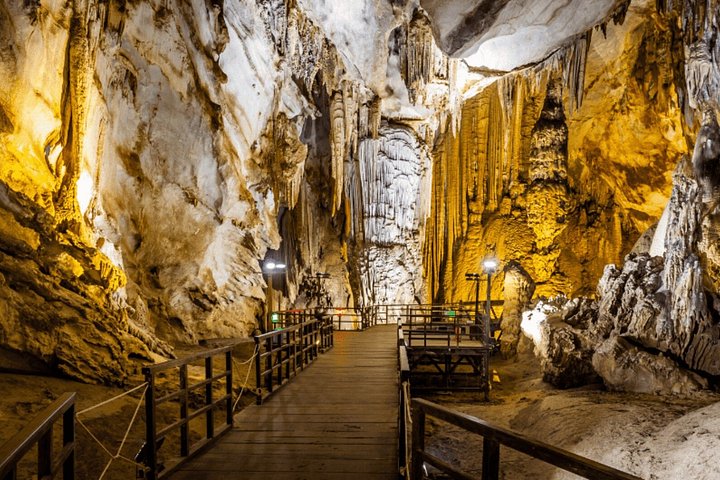
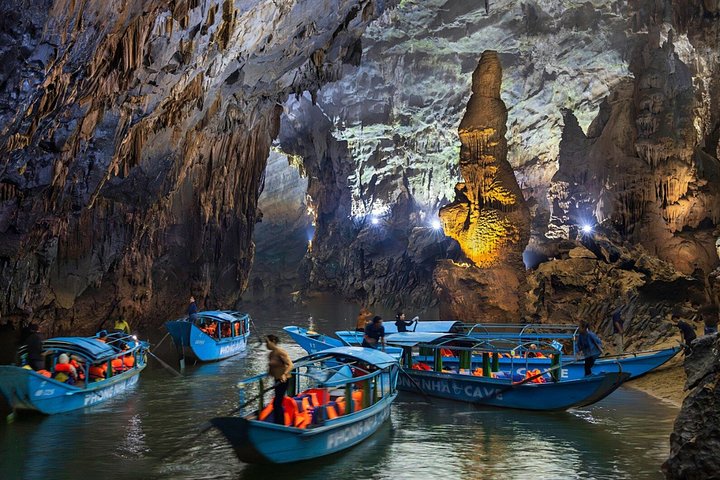
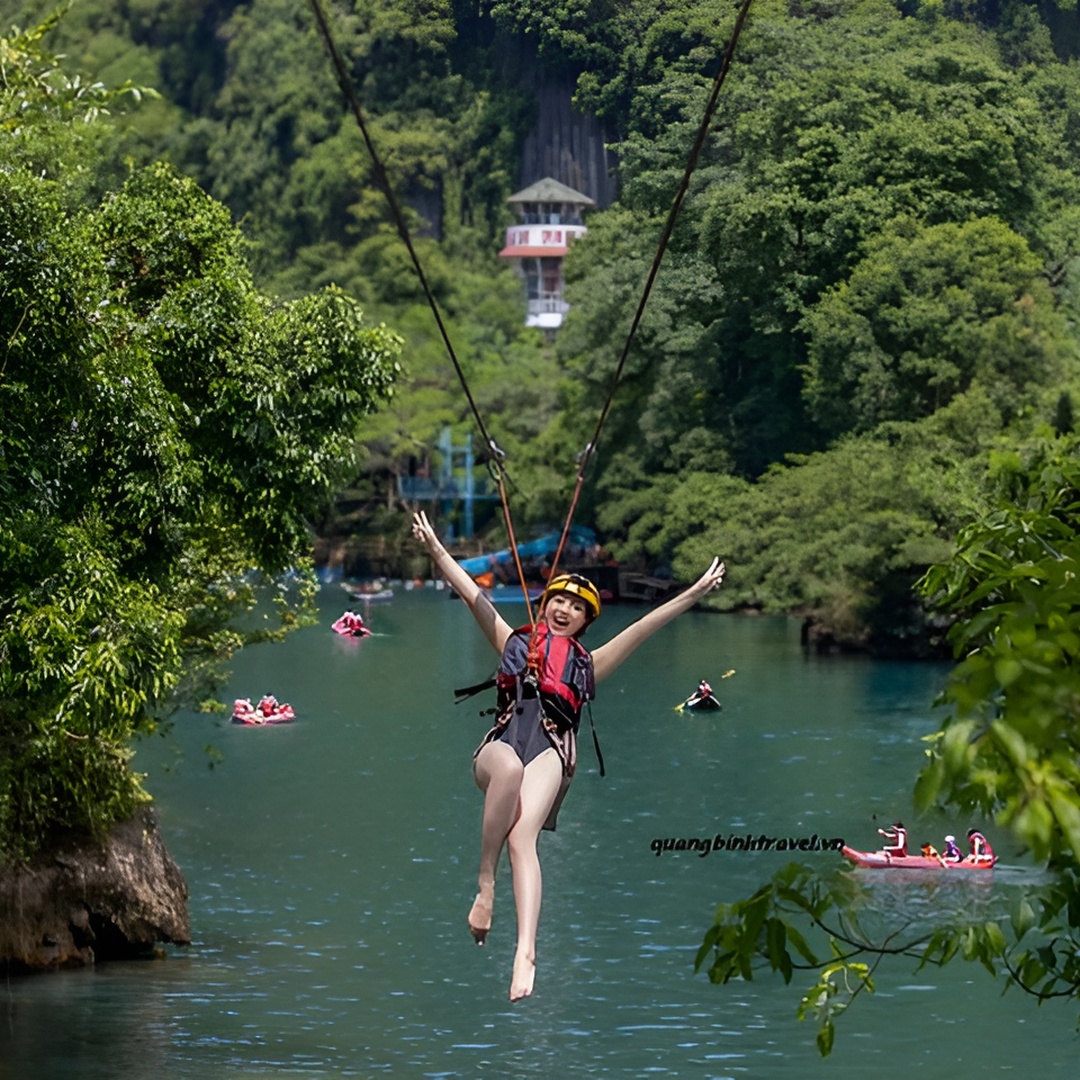
The national park contains hundreds of caves, but most visitors see three: Paradise Cave, a huge dry cave with a lit wooden walkway; Phong Nha Cave, a river cave reached by dragon boat; and Dark Cave, an adventure cave with a zipline, a swim and a mud bath. Beyond these lie treks, jungle walks, springs and multi-day expeditions, including the famous Son Doong, which is a very costly, strictly limited expedition and not a day trip. Everything on this page is a more accessible option.
Choose your caves
If you have one day, take a small-group tour that combines Paradise Cave and Phong Nha Cave. If you want adventure, swap Paradise Cave for Dark Cave, or add it as a second day. If you prefer a quieter, gentler pace, the Phong Nha boat with the dry Tien Son Cave makes a relaxed half day. Serious walkers can add a jungle trek or a one-day caving expedition. Each of these has its own page here, with notes on fitness, what to wear and when it runs.
Where to base yourself
There are two sensible bases. Phong Nha village, also called Son Trach, is a small riverside settlement with guesthouses, farmstays, cafes and tour desks, right next to the caves. Dong Hoi is the provincial capital on the coast, about an hour away, with the airport, the train station, bigger hotels and a lively food scene. Most first-timers do best with one or two nights in Phong Nha, which saves hours of driving, and an extra night in Dong Hoi if they arrive or leave by train or plane.
Getting there
Dong Hoi has an airport and a railway station on the north-south line, and buses and private cars link it to Phong Nha in about an hour. From Hue, the distance is about two hundred kilometres, so most people travel by train or car, and a private transfer can include stops such as the Vinh Moc Tunnels. From the south, Da Nang is a long day of driving, so plan an overnight stop.
How long to stay
Two nights is the minimum that makes sense: one day for the show caves and one for adventure or a trek. Three or four nights allows a slower rhythm, with a day on a bicycle or scooter among the rice fields and a day of rest between more demanding outings. If you are only passing through, a long day trip from Dong Hoi is possible, but you will spend a good part of it on the road.
What to book ahead
Tours in the dry months, roughly February to August, are usually easy to arrange a day or two ahead, but treks, caving days and any overnight programmes have limited places and should be reserved sooner. Ask each operator what is included, since cave entrance fees, boat fares, lunch and the buggy at Paradise Cave are sometimes extra. Small groups cost more but are better for questions and pace.
Weather and flood closures
The most important practical point is the wet season. From roughly October to December, heavy rain and storms are common in central Vietnam, and floods on the Son River can close the cave boats, Paradise Cave and the adventure activities for days at a time. If you visit in those months, keep your plans flexible, avoid tight onward connections and ask your accommodation each morning what is open. Summer is hot and humid, but the water is warm and the caves are reliably open.
What to pack
A light layer for the caves, which are cool and damp; shoes with grip rather than sandals; a swimsuit and quick-dry towel for Dark Cave and the springs; insect repellent; a hat and sunscreen; and a small torch. A waterproof pouch for your phone is useful on boats and in the water. Bring cash in dong, since small guesthouses, cafes and cave car parks often do not accept cards.
Respect the place
Phong Nha is both a protected landscape and a rural community. Stay on marked paths, never touch cave formations, carry out your rubbish, use licensed guides and be thoughtful in photographs of local people. Parts of the region were heavily bombed during the war, and many families have personal memories of it, so treat the memorials and tunnels with quiet respect.
A simple first plan
Arrive in Dong Hoi or Phong Nha, enjoy dinner and an early night. On day one, join a small-group tour to Paradise Cave and Phong Nha Cave. On day two, choose between Dark Cave and a trek. On day three, ride a bicycle through the valley, swim at a spring and leave for Hue or Hoi An in the afternoon. It is an easy rhythm that shows the best of the park without rushing.