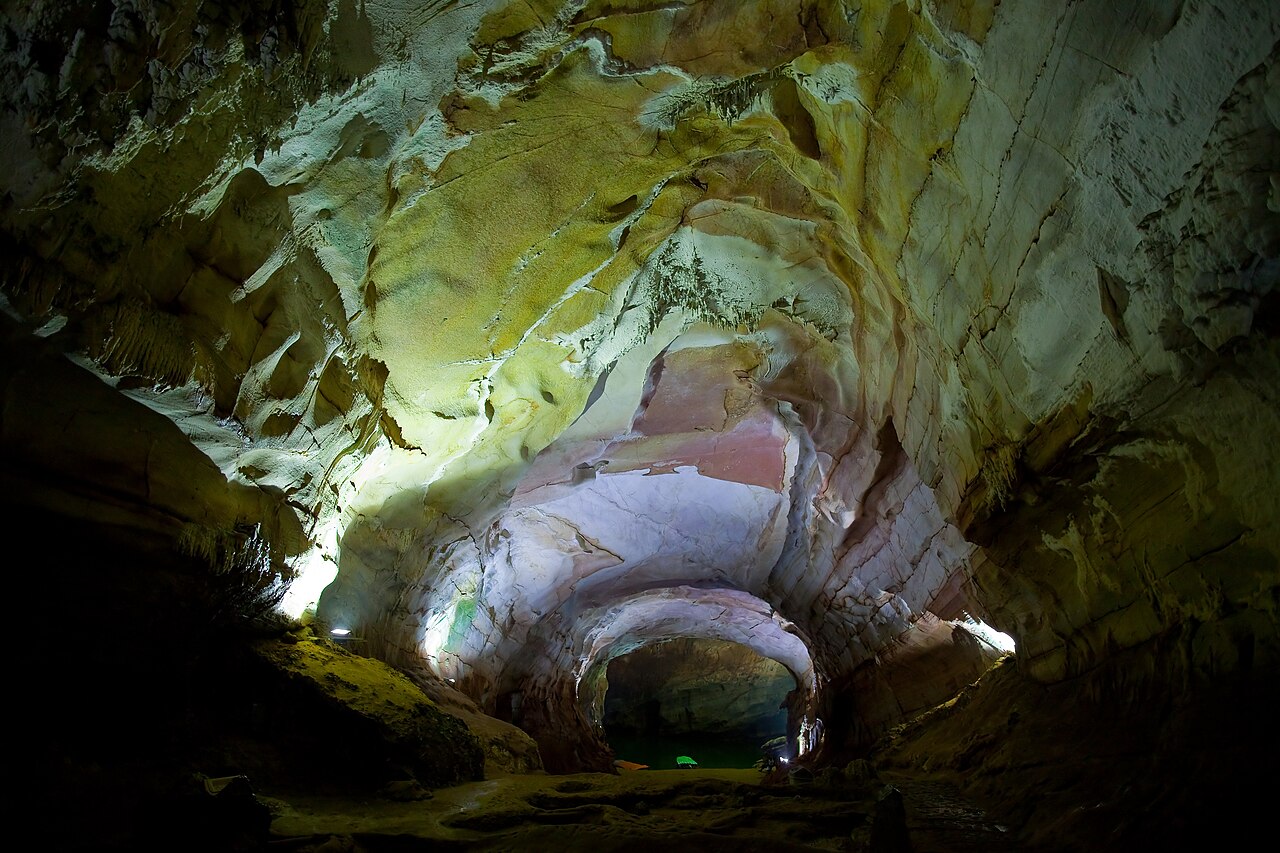
Phong Nha-Ke Bang is a cave landscape on a river, in a part of Vietnam that sits in the path of Pacific storms, so the season you choose matters more than in most destinations. The difference between a perfect week and a week of closed caves can come down to the month, so this guide explains the pattern and how to plan around it.
The short answer
For the most reliable access to caves, boats and adventure activities, aim for roughly February to August. Spring is warm and mostly dry, the forest is green and the rivers are calm. Summer is hot and humid, with strong sun and warm water for swimming. The rainy season, usually from around October to December, brings heavy rain, storms and floods, and is the riskiest time for a cave-focused trip.
Late winter and spring (February to April)
This is the sweet spot for many travellers. Days are warm rather than scorching, the sky is often hazy or partly cloudy and the caves are open. Springs and rock pools in the park are fuller than later in the year, which makes swimming spots more attractive. Treks are comfortable, the forest is lush, and it is a good time for the longer adventure options such as caving and jungle hikes.
Summer (May to August)
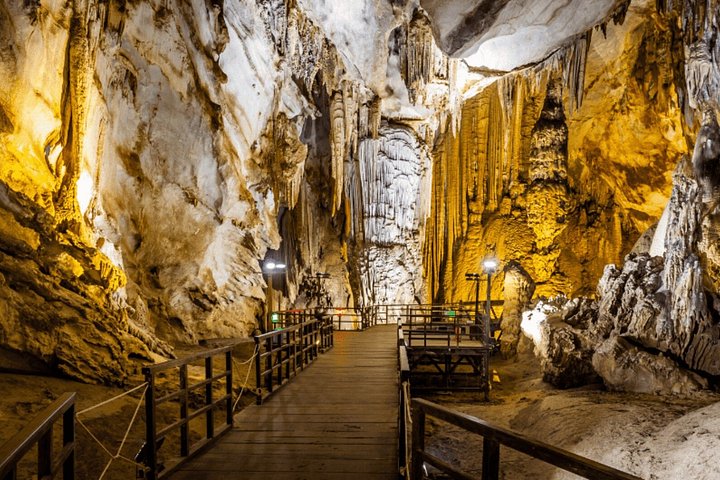
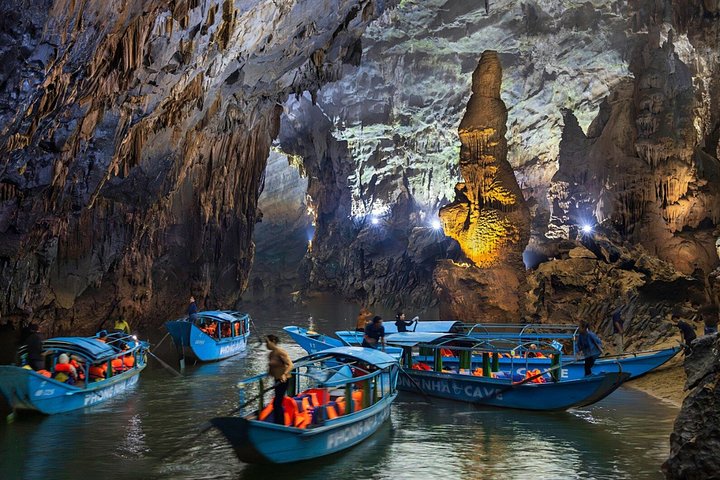
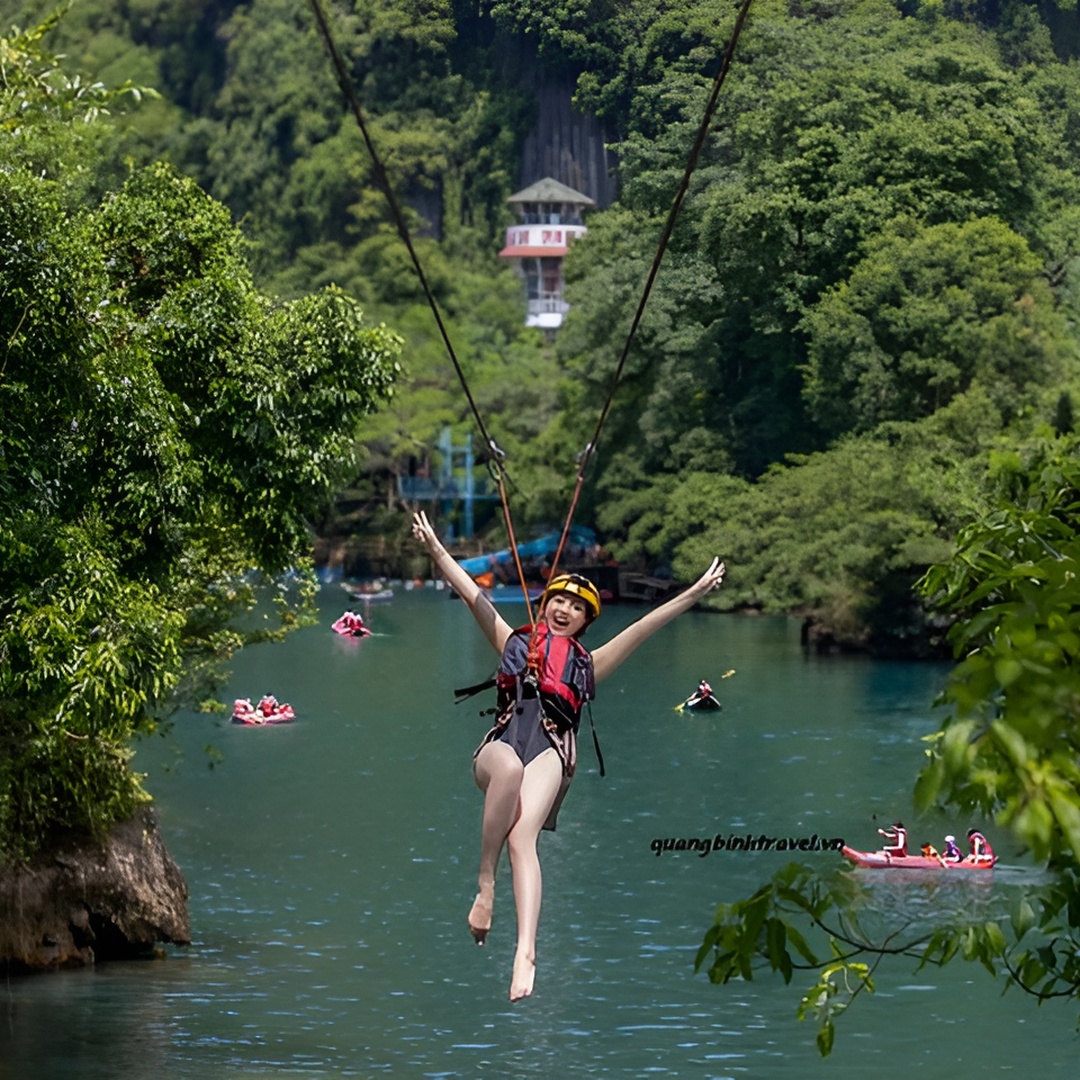
Expect heat and humidity, with temperatures that make cave interiors a welcome relief. The sun is strong, so start early, carry water and use sun protection. The advantage is dependable access: Paradise Cave, Phong Nha Cave and Dark Cave are normally open, and the Son River is lower, which suits kayaking and swimming. The beaches around Dong Hoi are at their best, and evenings in the village are warm and lively. Be aware that Vietnamese school holidays bring more domestic visitors, so book accommodation and popular tours earlier.
Early autumn (September)
The weather begins to turn. Some years are still dry and pleasant, while others bring the first storms. Keep an eye on forecasts and choose flexible bookings. It can be a good time for quieter visits, with lower prices, but you may need a plan B.
The rainy season (October to December)
This is when central Vietnam is hit by its heaviest rains and typhoons. The Son River can flood several times in a month, closing the cave boats and Paradise Cave for between a couple of days and several days at a stretch. Dark Cave limits or stops its water activities, treks are often cancelled and roads and bridges can be affected. Local operators will refund or reschedule when they cancel, but your time in the area may be shorter than planned. If you must travel then, build in spare days, avoid tight onward connections and prefer a base that can adjust quickly.
Cooler months and what to wear
Winter evenings, particularly between December and February, can be cool and damp, so bring a light jacket. Caves stay cool and humid all year, so a thin layer is always useful, as are shoes with grip. Pack a lightweight rain jacket in every season.
How to check conditions
Ask your accommodation each morning. Hosts at farmstays and homestays are often the best source of up-to-date information about river levels and cave access. Check the national weather forecast before you set out, especially if a typhoon is in the Pacific. Operators will usually confirm the status of the boat and the caves the day before.
Choosing the right activities for the season
In the dry months, you can plan any of the pages here, from Dark Cave and kayaking to jungle treks and the two-day tours. In the wet season, consider history tours such as the DMZ and Truong Son Road, a street food evening in Dong Hoi, or countryside experiences, all of which are less dependent on river levels. The botanic garden and Mooc Spring are best in drier weather.
If you can only travel in the wet season
Book flexible rates, use a base with a good local host, keep a spare day, buy travel insurance that covers weather disruption and treat caves as a bonus rather than a promise. Many travellers still have a wonderful time, but it helps to approach the days with an open mind.
Crowds
Weekends and national holidays bring local tour groups, and the show caves are busiest from late morning. An early start almost always gives you a quieter experience, whatever the season.