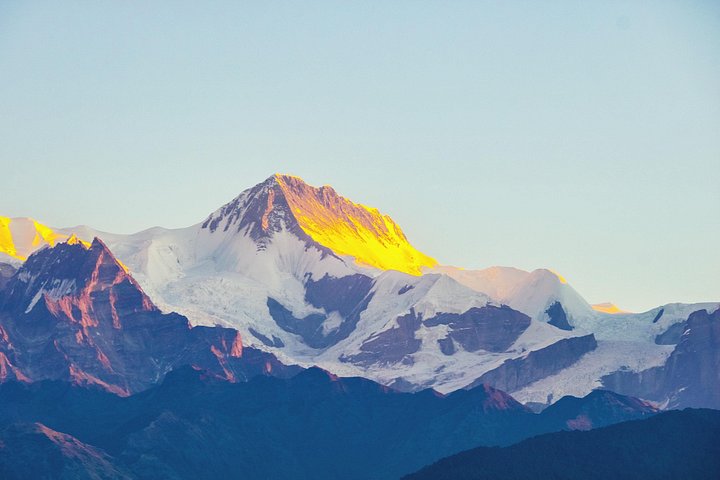
The Annapurna Circuit is one of the great long-distance treks of the Himalaya, and this nine day program focuses on its core: the climb up the Marsyangdi valley, the crossing of the Thorong La pass at 5,416 meters and the descent to Muktinath, a pilgrimage site sacred to Hindus and Buddhists. The scenery changes dramatically, from subtropical terraces and waterfalls at the start to pine forest, high alpine meadows, Tibetan-influenced villages like Manang and finally the arid, wind-carved landscape of the Mustang side. It is a serious trek that asks for fitness, acclimatization and good planning, but the variety is unmatched in Nepal.
A typical shape for the trek starts with a drive from Pokhara toward Besisahar and beyond, followed by daily stages through Chame, Pisang and Manang, where an acclimatization day with side hikes to viewpoints and lakes is customary. From there the trail climbs to Thorong Phedi or High Camp, then makes the pre-dawn push over the pass, a long day that ends with the descent to Muktinath.
Weather and snow conditions on the pass can change the plan, and your guide may delay or cancel the crossing if conditions are unsafe. Add a day or two as a buffer if you can.
Altitude is the main risk. The crossing is at over 5,400 meters, and symptoms of altitude sickness can be serious. Acclimatize properly, ascend gradually, sleep lower than your maximum height when possible, and descend if symptoms worsen. Cold is the second challenge, with sub-zero nights and strong winds on the pass. Carry layers, a warm sleeping bag, waterproofs, gloves, a hat and sunglasses with good UV protection. Permits for the conservation area are required and are usually arranged by the operator. Travel insurance must cover trekking above 5,000 meters, including helicopter evacuation.
Because roads now run alongside parts of the old trail, many trekkers join the route at higher points and use jeeps for the lower sections. A nine day program like this one takes advantage of that, saving time while keeping the best of the high country. Plan the season carefully: October and November are the most reliable, spring is also good, and winter can close the pass.
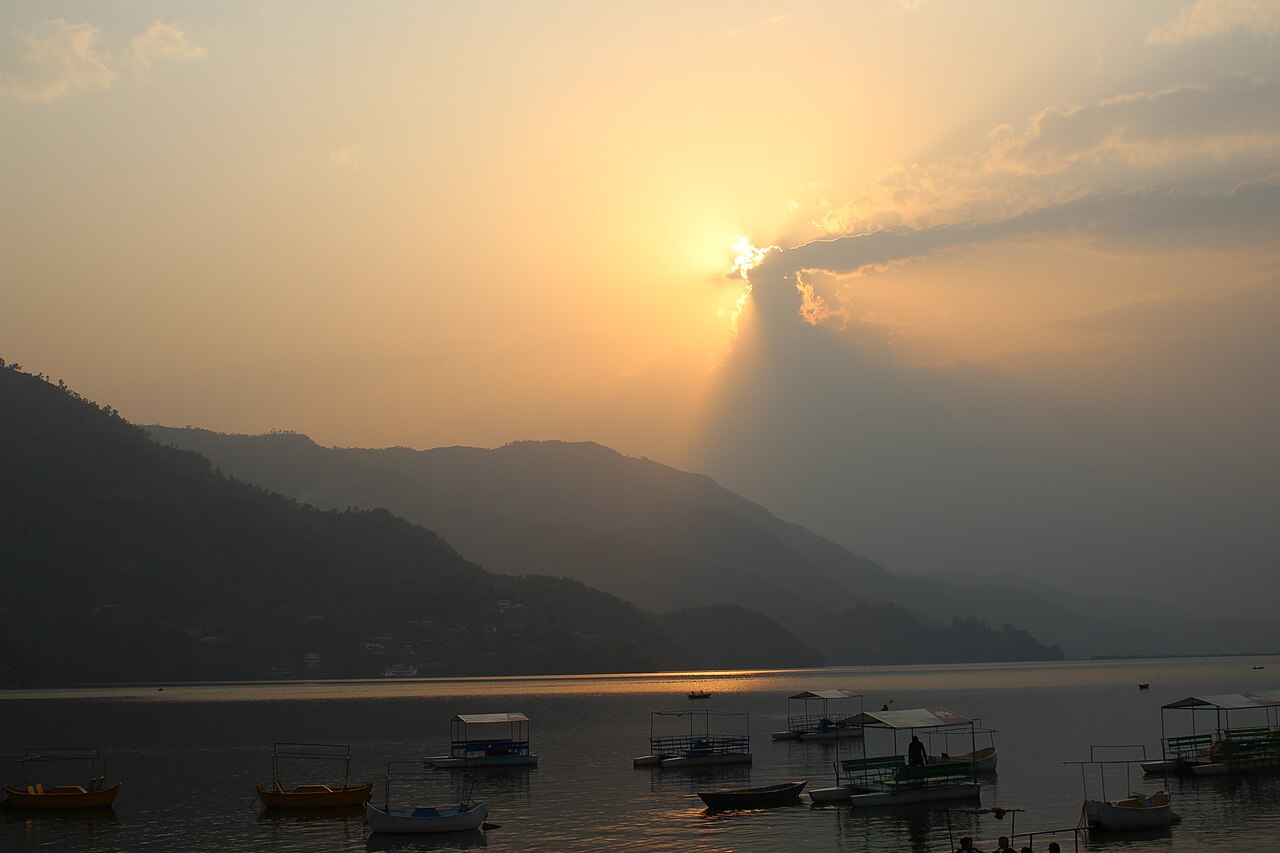
Keep a spare day in Pokhara before any onward flight, and consider a recovery day with a massage and lakeside meals afterward. If you want a preview of the altitude and the cold, the Poon Hill trek is a useful test, and the Mustang jeep tour shows the dry side of the range without a pass crossing.
Preparation begins weeks before you arrive. Build fitness with long hikes and stair training, break in your boots and test your gear, and ask your doctor about altitude medication if you have concerns. In Pokhara, check your equipment, collect permits and leave non-essential luggage at your hotel. On the trail, eat well, drink more than you think you need and keep a daily record of how you feel.
Respect local rules on waste and water use, carry a refillable bottle and support lodges by buying meals where you sleep. The days after the pass bring warm sun, apple orchards and mountain bread, and many trekkers say the quiet satisfaction of that descent is the best part of the whole circuit.
What to expect
The experience
A guided, multi-day teahouse trek along the Annapurna Circuit, crossing Thorong La pass and descending to Muktinath.
Best time
October and November for stable weather, with spring also workable and winter risky.
How long
Nine days including transport, with an acclimatization stop.
Tips
Acclimatize properly, carry cold-weather gear, allow buffer days and confirm insurance covers 5,400 meters.
Quick picks
- Best for
- Experienced, well-prepared trekkers who want a high-altitude Himalayan crossing.
- Families
- Not recommended for young children because of altitude and weather risks.
- Couples
- A big shared challenge for fit pairs with trekking experience.
- Pair with
- Lower Mustang by jeep to see the dry side without a pass, or a recovery stay at a lakeside hotel.
- Time needed
- Nine days plus buffer days.
Good questions
How high is Thorong La?+
The pass is at 5,416 meters, among the highest trekking passes in the world.
Is it dangerous?+
Altitude sickness and weather are the main risks. Acclimatize, follow your guide and be ready to turn back.
When should I go?+
October and November are the most reliable. Spring is also possible, and winter can close the pass.
Do I need a permit?+
Yes, conservation area permits are required and are normally arranged by the operator.
Can I shorten the trek?+
Roads allow shorter itineraries by jeep over some sections. Ask the operator what is covered on foot.