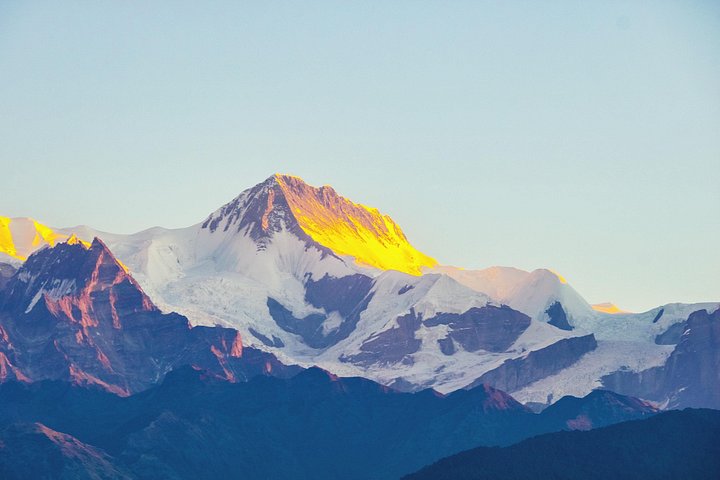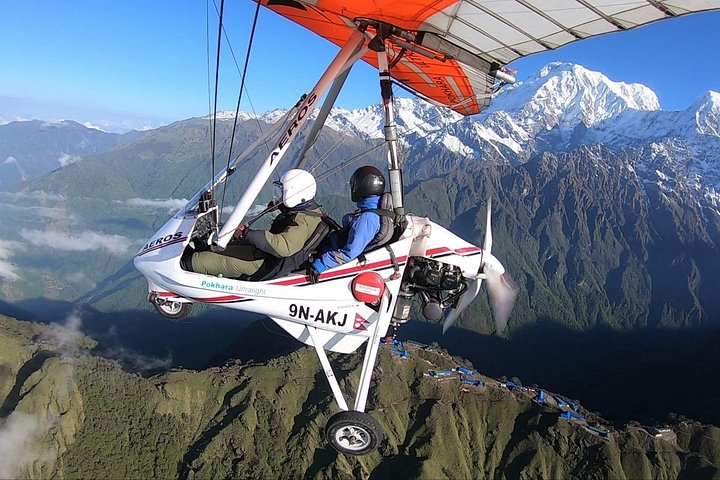
Annapurna Base Camp, usually shortened to ABC, is the trek that most visitors have in mind when they picture the Annapurna region. The route climbs from the green foothills near Pokhara through Gurung and Magar villages, rhododendron and bamboo forest, and a deep river valley into the Annapurna Sanctuary, a high amphitheater ringed by Annapurna I, Annapurna South, Hiunchuli, Gangapurna and the Fishtail peak, Machhapuchhre. The base camp itself sits at about 4,130 meters, and reaching it at dawn, with the walls of rock and ice glowing around you, is the moment the whole trek builds toward. A seven day program from Pokhara is a common format, with a guide, porter support, teahouse lodging and permits arranged by the operator, which leaves you free to concentrate on walking and acclimatizing.
The shape of the week matters more than the headline altitude. Early days are spent on stone staircases and suspension bridges through villages such as Ghandruk, Chhomrong and Bamboo, where the climb is steady and the views of Annapurna South and Machhapuchhre open up behind each ridge. Above the forest the valley narrows, the air thins and the trail follows the Modi Khola toward the sanctuary.
Many itineraries add a soak in natural hot springs on the way up or down, which is a welcome reward for tired legs. Days are usually four to seven hours of walking with a long lunch stop, and tea houses provide simple beds, hot meals and a warm common room where trekkers share the evening.
Altitude is the real challenge. The final stages gain height quickly, and headaches, poor sleep and nausea are common if you rush. A good itinerary builds in short days near the top, and a good guide watches the group closely, so choose an operator that talks openly about acclimatization and turnaround decisions.
Drink plenty of water, climb slowly, and tell your guide at the first sign of persistent symptoms. Avalanche risk on the upper sections is real in late winter and spring, so follow the guide on route choice and timing. Travel insurance should cover trekking to 4,000 meters and emergency evacuation.
Plan the season carefully. October and November bring the clearest skies and the busiest teahouses, March to May is warm with rhododendron in bloom, and winter nights at the sanctuary are very cold. The Annapurna Conservation Area requires permits, which operators normally arrange, so confirm they are included and carry your passport details.
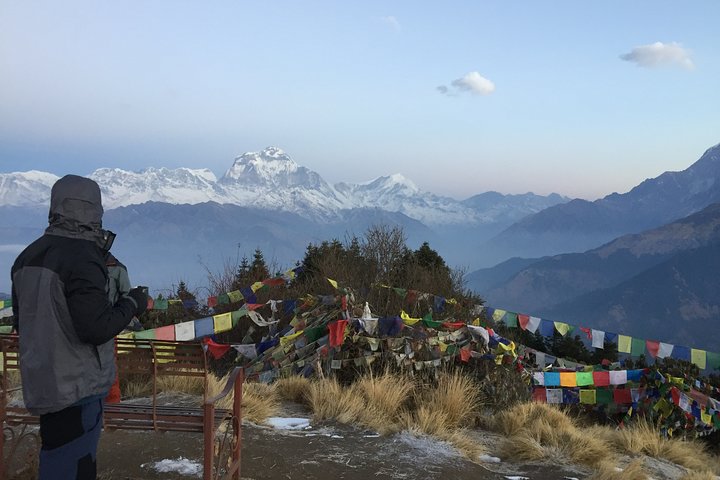
Pack layers, a warm sleeping bag or liner, waterproofs, broken-in boots, a headlamp and basic first aid, and leave surplus luggage at your Pokhara hotel. If you want an easier first Annapurna walk, the short Poon Hill trek is a good rehearsal, and a Sarangkot sunrise before you set out helps set expectations for the scale of the range.
Think about the whole trip rather than the trail alone. Arrive in Pokhara at least a day before you start so that luggage, permits, gear hire and a last meal are sorted without stress, and book a comfortable room for the night you return, because a hot shower and a real bed feel extraordinary after a week in teahouses. Rental sleeping bags and down jackets are available in Lakeside if you do not want to carry your own, but check their condition.
Bring cash for tea, snacks, charging and hot showers on the route, as prices rise with altitude and cards do not work in the hills. Small kindnesses, such as carrying out your rubbish and tipping porters and guides fairly at the end, matter a great deal on a route this popular.
What to expect
The experience
A guided, multi-day teahouse trek from Pokhara by road to the trailhead, climbing through villages and forest into the Annapurna Sanctuary and back.
Best time
Late September to November and March to May, with October and November the clearest and busiest.
How long
Around seven days including the drive, with a rest day in Pokhara afterward.
Tips
Ascend slowly, pack warm layers and a liner, confirm permits and porter support are included and buy insurance that covers trekking at altitude.
Quick picks
- Best for
- Reasonably fit walkers who want the full Annapurna experience and can give a week to it.
- Families
- Best for older teenagers with trekking experience, because the altitude and daily walking hours are demanding.
- Couples
- A shared challenge with hot springs, teahouse evenings and a sunrise amphitheater at the end.
- Pair with
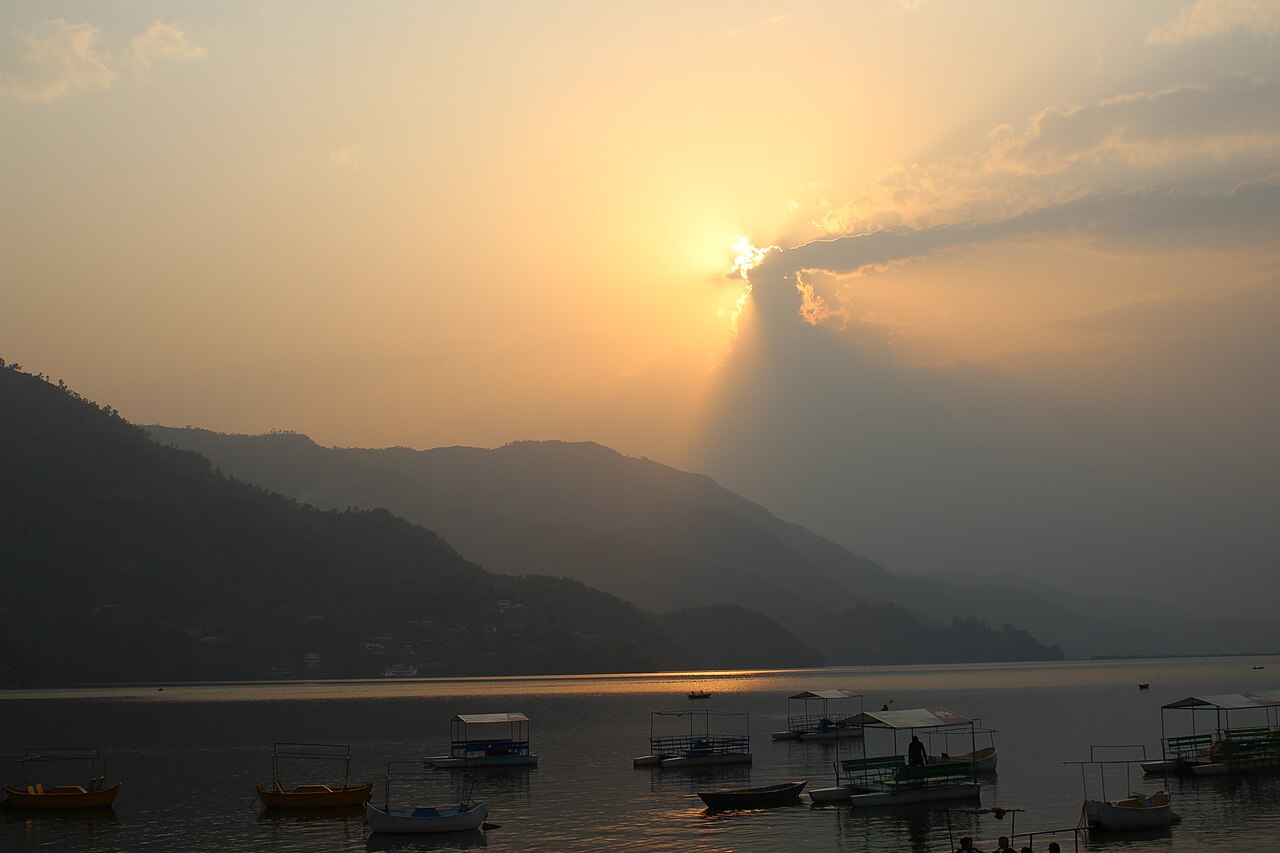
- Short Poon Hill Trek beforehand to test fitness, and a recovery day with a lake boat ride in Pokhara.
- Time needed
- Seven days on the trail plus a buffer day on either side.
Good questions
How hard is the Annapurna Base Camp trek?+
It is a demanding trek rather than a technical one. Daily walks are long, with many steps, and the upper sections are at altitude. Good fitness and a gradual pace make a big difference.
What is the highest point?+
Base camp sits at about 4,130 meters. Altitude symptoms can appear above 3,000 meters, so ascend slowly and let your guide manage the pace.
Do I need a permit?+
Yes, the Annapurna Conservation Area requires permits. Operators normally arrange them, but check that they are included in your booking.
When is the best time to go?+
October and November give the clearest air, and spring is also popular. Winter is very cold at the top and the monsoon brings cloud, leeches and landslides.
Can I shorten it?+
Helicopter and shorter-walk options exist, and the Poon Hill trek is a gentler alternative. The full walk gives the best acclimatization and the strongest sense of arrival.