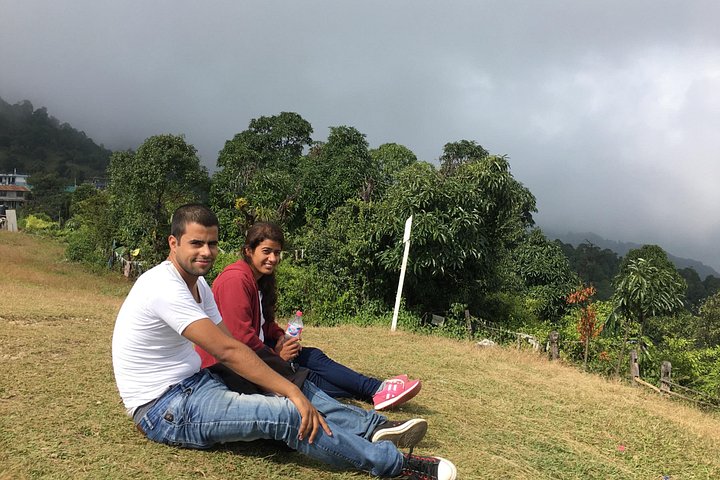
Ghandruk is one of the most photogenic villages in the Annapurna foothills, a tiered settlement of slate-roofed stone houses and flower-lined staircases on a ridge at roughly 2,000 meters. It is a Gurung community with a long tradition of service in the Gurkha regiments, and a small museum in the village tells that story alongside local dress, tools and crafts. Beyond the rooftops the high peaks stand close, with Annapurna South, Hiunchuli and the pyramid of Machhapuchhre filling the northern sky. A two day program from Pokhara combines the road journey, a walk through terraces and forest, a night in a village lodge or homestay and a morning to enjoy the light before heading back.
The pleasure of this trip is the pace. You are not racing for a summit or a pass; you walk through millet and rice terraces, cross streams, pass small shrines and stop to talk with villagers and tea house owners. Evenings are for dal bhat, a hot drink and a look at the stars, which are bright above a village with limited lighting.
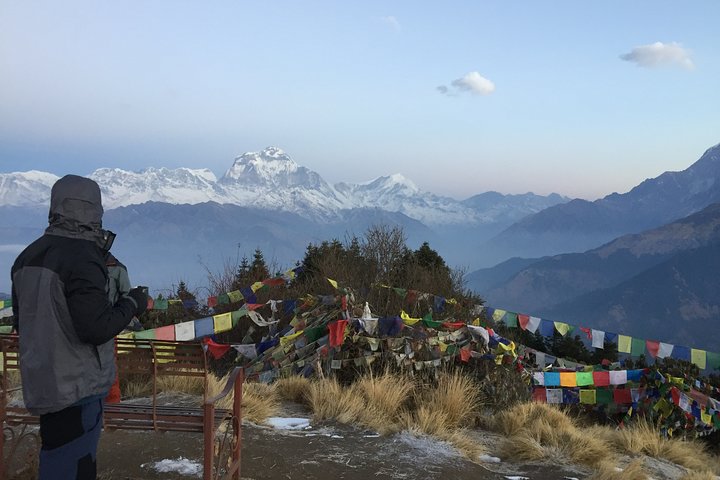
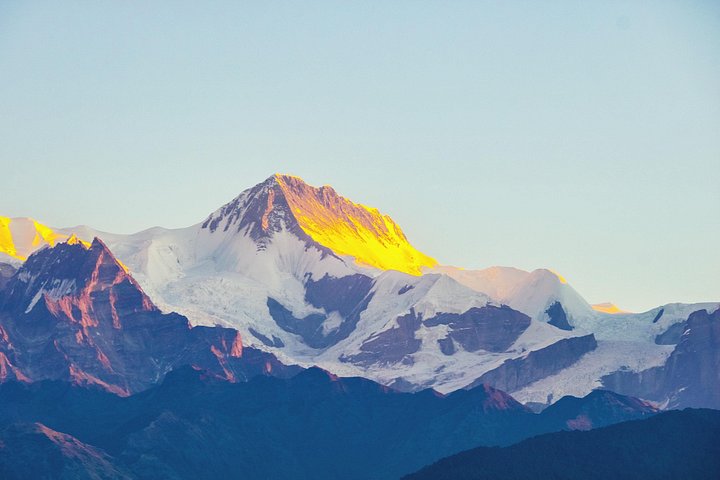
Mornings begin early for the best mountain view, when the peaks glow pink and the valley fills with mist. Ask your guide about Gurung customs, festivals and food, and consider buying a handmade item from a local cooperative, which keeps money in the village.
Practical details are simple. Wear sturdy shoes with grip, because stone steps are slick after rain, and bring layers, a rain jacket, a headlamp, sun protection and a small daypack. Evenings are cool even in autumn. The route usually starts with a drive to the trailhead and may include a jeep stretch on rough roads, so check how much of the walking is on foot and whether you can adjust.
Accommodation is basic but warm and clean, and hot showers depend on solar water or gas, so keep expectations modest. Cash is useful for small purchases, since cards are rarely accepted in the village.
Ghandruk is also a natural stepping stone. Many longer routes, including the Poon Hill and Annapurna Base Camp treks, pass through it, so a two day visit works as a rehearsal for a bigger walk or as a gentler alternative for travelers who want mountain culture without altitude. October and November are the clearest months, spring brings rhododendron bloom, and the monsoon brings cloud and leeches, so choose your season with the views in mind.
Families with older children usually enjoy it, and a night in a village changes how you see the valley when you return to Pokhara's lakeside cafes. Book ahead in autumn, travel with insurance and leave heavy luggage at your hotel.
If you want to give something back, ask your guide about local initiatives. The village runs community projects, including a conservation area office, handicraft cooperatives and homestay committees, and visitors who stay in local lodges, eat at family-run kitchens and buy handmade goods directly support these efforts. Bring small gifts such as pens or books only through a school or community office, not by handing them to children on the trail, which encourages begging.
Take time to sit on a terrace at the end of the day with a cup of tea and watch clouds drift across the high peaks; the trip is as much about slowing down as about the walk, and that quiet hour is often what people remember afterward.
What to expect
The experience
A guided overnight trip from Pokhara to Ghandruk by road and on foot, with a village stay and a sunrise view of the Annapurna range.
Best time
October and November for clear views, with spring also pleasant and the monsoon wet.
How long
Two days with one night in the village.
Tips
Wear grippy shoes, bring layers and cash, and rise early for the mountain view.
Quick picks
- Best for
- Travelers who want mountain scenery and village culture without a long trek.
- Families
- A good first overnight for older children who enjoy walking and stone-step villages.
- Couples
- A quiet night in the hills with a sunrise view over the peaks.
- Pair with
- Short Poon Hill Trek for a longer walk, or Australian Camp for a day-hike alternative.
- Time needed
- Two days.
Good questions
How high is Ghandruk?+
The village sits at around 2,000 meters, high enough for cool nights and big views but below the altitude where most people feel symptoms.
Is it a hard walk?+
It is a moderate walk on stone steps and trails. The pace is set by you and the guide, and the route can be adjusted for fitness.
What is there to see in the village?+
Slate-roofed Gurung houses, terraced fields, small shrines, a Gurkha museum and views of Annapurna South and Machhapuchhre.
Where do I stay?+
Most trips use a simple village lodge or homestay with shared meals. Rooms are basic and warm, and showers depend on solar or gas heating.
When is the best view?+
Early morning, before cloud builds. October, November and spring are the clearest times.