The International Mountain Museum in Pokhara is dedicated to the Himalaya and to the people who climb, study and live among the mountains. Its roofline is shaped like a mountain skyline, and inside the galleries keep records of climbers who have summited the world's highest peaks, together with displays on the plants, animals, geology and cultures of the mountain regions. It sits at the base of the Machhapuchhre, in the southern part of Pokhara near the airport road. Outside, gardens and a replica of Manaslu, the eighth-highest mountain, give visitors a model to explore. The museum is run by the Nepal Mountaineering Association, and it makes an ideal complement to a trek or a flight, because it explains what you see from the ground and the air in clear detail.
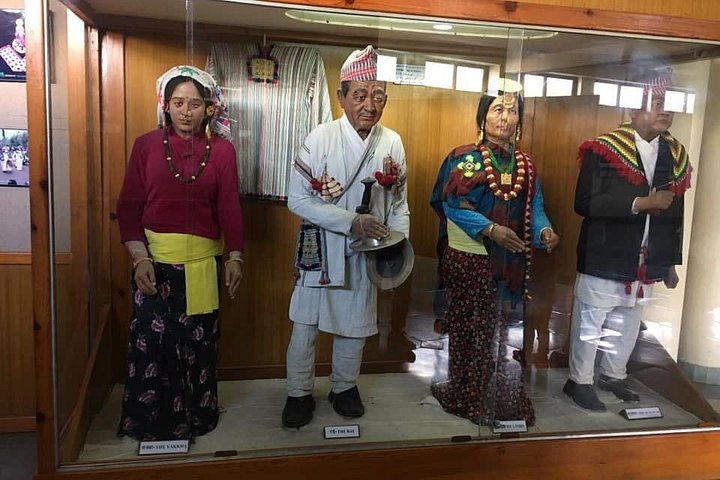
The collection is wide. Halls cover the world's highest mountains and the history of climbing, with equipment, photographs and stories of the first ascents and the Sherpa climbers who made many expeditions possible. Other galleries present the geology and wildlife of the range, climate change in the mountains and the cultures of the peoples who live there, with costumes, tools and household objects. Because climbing is a living story in Nepal, the museum gives personal, human context to the headlines about Everest and the other giants.
Outdoors, the garden is pleasant and the replica of Manaslu can be explored on foot, which children like. The museum's own visitor information says it opens daily, all year, from the morning to late afternoon, which makes it unusually dependable. A modest entry fee applies for foreign visitors, with separate rates for Nepali citizens, and there is a small cafe and a shop. Allow plenty of time if you enjoy reading exhibits, though a quick visit is possible in an hour.
Visit it early in your trip, so the names and shapes of the mountains become familiar before you see them. It is also an easy place to go when cloud hides the peaks. The museum is close to hotels at Lakeside and to Davis Falls, so a short taxi ride links them. Wear comfortable shoes for the gardens, carry a light layer in case the galleries are cool, and consider a guide if you want deeper explanations of the exhibits.
What to expect
The experience
A self-guided walk through galleries on mountaineering, geology, wildlife and mountain cultures, followed by the garden and the Manaslu replica.
Best time
Morning, or any hazy or rainy hour when the peaks are hidden and you want a good indoor stop.
How long
One to two hours, or longer if you read the exhibits closely.
Tips
Check current hours and fees on the museum site, wear comfortable shoes for the gardens and visit before a trek to learn the names of the peaks.
Quick picks
- Best for
- Trekkers, climbing fans and anyone who wants to understand the mountains they are looking at.
- Families
- Older children enjoy the climbing gear and the outdoor replica, while younger ones may need a shorter visit.
- Couples
- Spend a quiet hour in the galleries, then stroll the gardens before lunch at the lake.
- Pair with
- Davis Falls and Gupteshwor Cave, which are a short ride away, or a lakeside lunch.
- Time needed
- One to two hours.
Good questions
What are the opening hours?+
The museum's visitor information says it opens daily from 8:30 am to 5:00 pm, every day of the year. Check the website before you go in case anything changes.
How much is the ticket?+
Foreign visitors pay a modest fee, and Nepali citizens pay a lower rate. Check the current price on the museum website.
Who runs the museum?+
It is run by the Nepal Mountaineering Association, and its exhibits cover climbing history, mountain peoples, wildlife and geology.
Is it good for children?+
Yes, the climbing gear, models and the outdoor Manaslu replica keep many children interested. Younger children may prefer a shorter visit.
Is it worth going if the mountains are hidden?+
Absolutely, it is one of the best indoor stops in Pokhara and gives context for the peaks. It is a good plan for hazy or rainy hours.