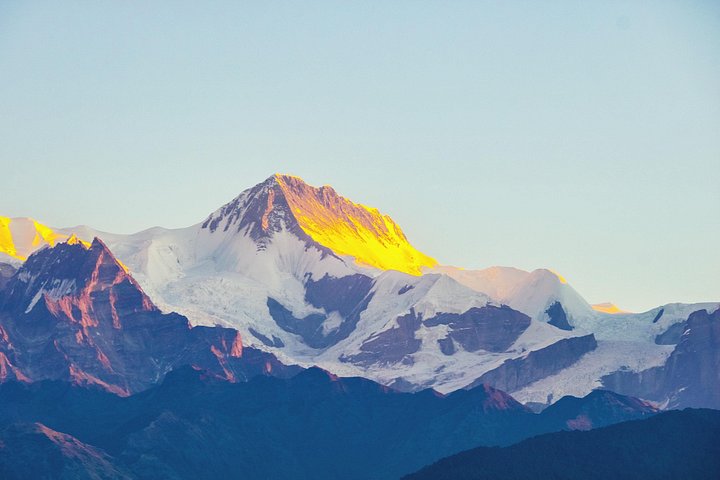
Kapuche, also spelled Kaphuche, is often described as the lowest glacial lake in Nepal, lying at about 2,500 meters beneath the Annapurna and Lamjung Himal ranges. The trek starts from Sikles, a large Gurung village at the foot of the Annapurna II and Lamjung massifs, and winds through terraced fields and rhododendron forest to the lake, which sits below the snout of the glacier. Because it lies east of the main Poon Hill and Annapurna Base Camp trails, the route sees far fewer visitors, and the village and forest feel remarkably unhurried. A three day program from Pokhara includes the drive to Sikles, a night in a homestay or lodge, the walk to the lake and the return.
The walking is moderate and rewarding. Day one is largely a long drive from Pokhara to Sikles over rough roads, followed by an afternoon wandering the village, which is known for its stone houses and its sense of community. Day two is the trek proper, climbing through forest and past waterfalls to the lake, where you can rest, take photographs and watch the weather change over the glacier.
Day three retraces the path and returns to Pokhara by road. Expect cool air, rainy afternoons in the wet season and some muddy sections, so waterproof shoes are an advantage.
Sikles is the cultural heart of the trip. Homestay hosts cook seasonal dishes and share local stories, and the village has a long tradition of sending sons to the Gurkha regiments. Arrive with respect for local customs, dress modestly and ask before taking photos of people. The lake area is protected, so carry out your rubbish and keep to the trail. Wildlife such as Himalayan thar and various birds live in the forest, though sightings are never guaranteed. Anyone with a fear of exposed trails should confirm the route details with the operator.
Plan for the season. October and November offer the clearest skies, while spring has flowers but more cloud, and the monsoon is wet and slippery. Pack layers, a rain jacket, a headlamp, a water bottle and snacks, and leave extra luggage in Pokhara. Permits are required for the conservation area and are normally handled by the operator.
Road conditions can slow the drive, so build a buffer into your schedule, particularly if you have a flight after returning. If you want a quieter Annapurna-region trek than Poon Hill and have three days to spare, Kapuche is a strong choice, and it pairs well with a lake day at Begnas afterward.
Because the route sees few visitors, plan a little more carefully than for a busy trail. Carry enough cash for the whole trip, a small first aid kit, purification tablets or a filter bottle and snacks for the climb, as shops are limited. Lodges may have simple menus with dal bhat, noodles and tea, and you should expect to share rooms during busy periods.
Tell your hotel in Pokhara when you expect to return, and keep your phone charged for photographs rather than navigation, since your guide leads the way. The reward of this trek is solitude, and a quiet hour beside the lake, with the glacier above and clouds drifting through the valley, is the best argument for choosing it.
What to expect
The experience
A guided three day trip from Pokhara to Sikles by road, a trek to Kapuche glacier lake and a return by road.
Best time
October and November for the clearest skies, with spring also possible.
How long
Three days with two nights in the village or on the trail.
Tips
Bring waterproof shoes, layers and a headlamp, allow for slow roads and respect local customs.
Quick picks
- Best for
- Trekkers who want a quieter Annapurna-region route with a lake at the end.
- Families
- Possible for fit older children, but the long drive and rough roads can be tiring.
- Couples
- A remote, scenic walk with village hospitality.
- Pair with
- Begnas Lake for a slow recovery day, or the Mardi Himal Trek for a longer walk.
- Time needed
- Three days.
Good questions
How high is Kapuche Lake?+
It sits at about 2,500 meters, so altitude is not a major concern.
Is the trek difficult?+
It is moderate, with a long drive and a steady climb to the lake. Wet conditions can make sections slippery.
Why is it special?+
It is often described as the lowest glacial lake in Nepal and sees far fewer trekkers than the main routes.
Where do we stay?+
In a village homestay or simple lodge in Sikles, with shared meals.
When should I go?+
October and November are clearest. The monsoon months are wet and cloudy.