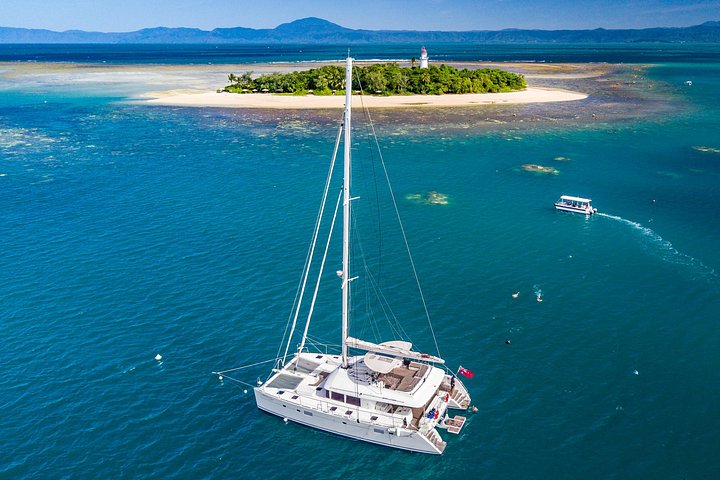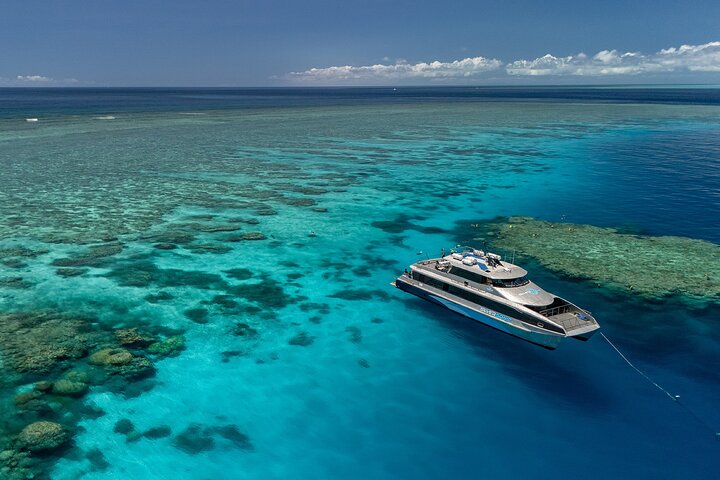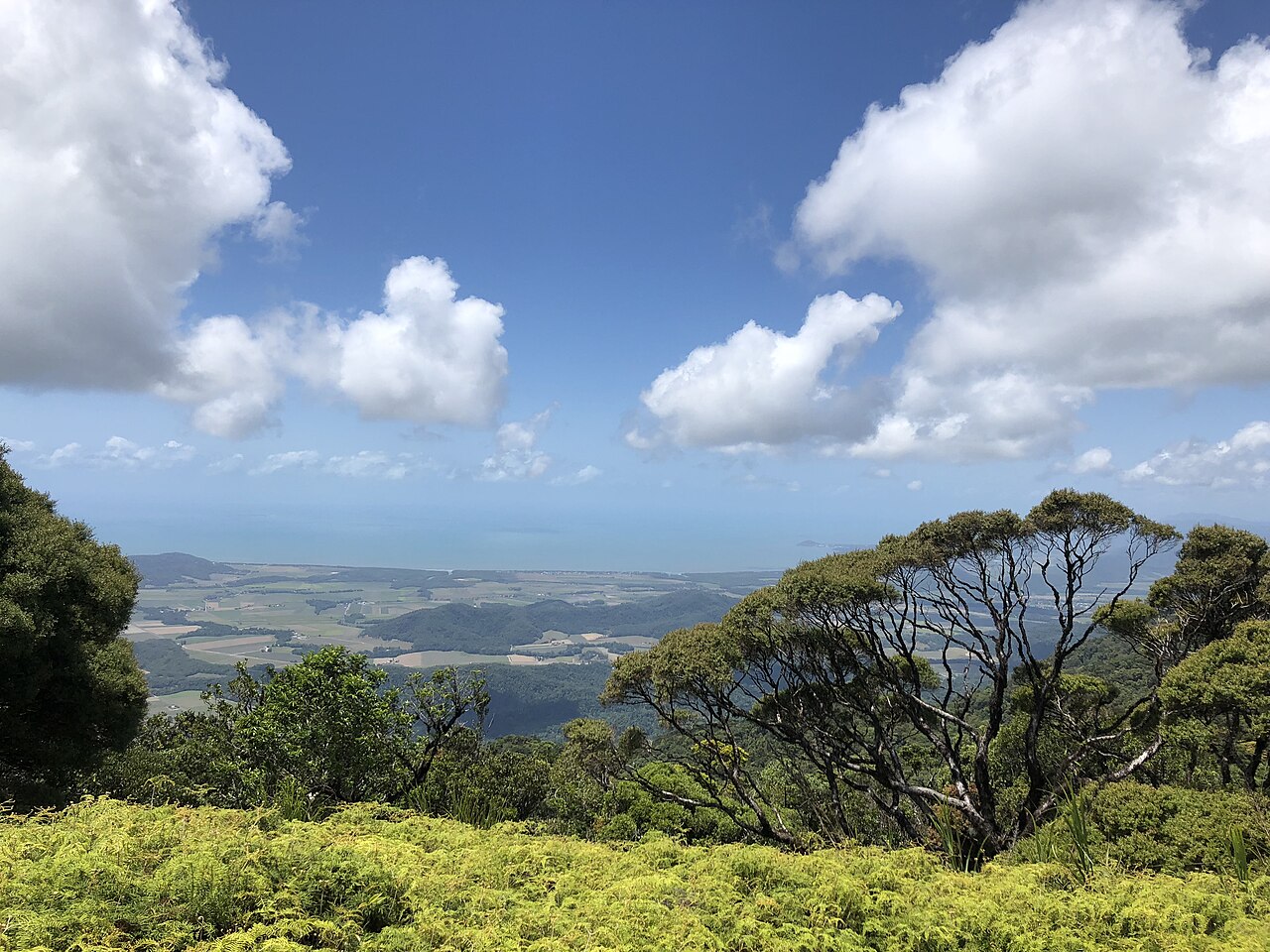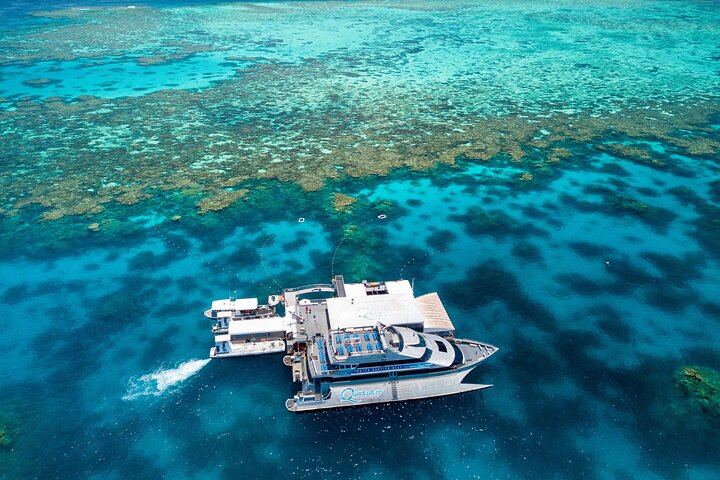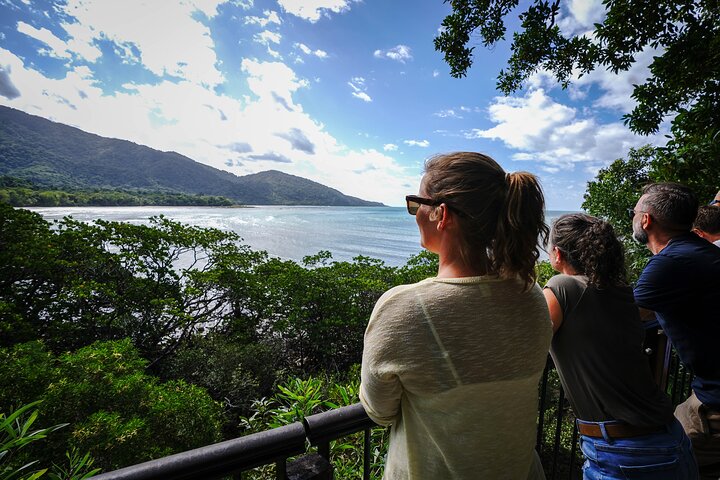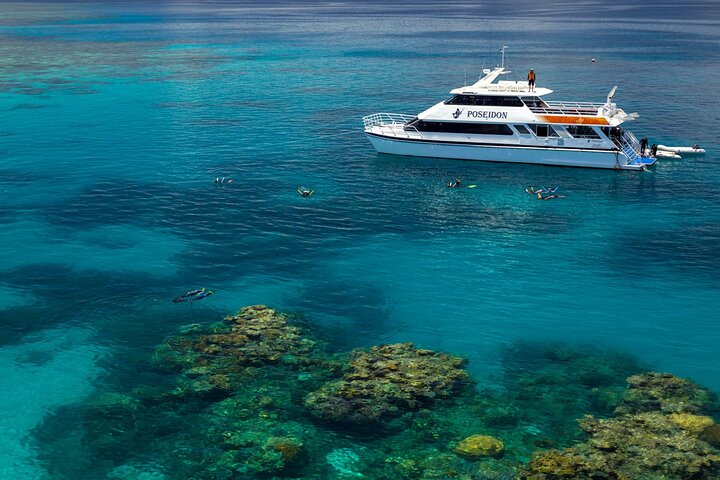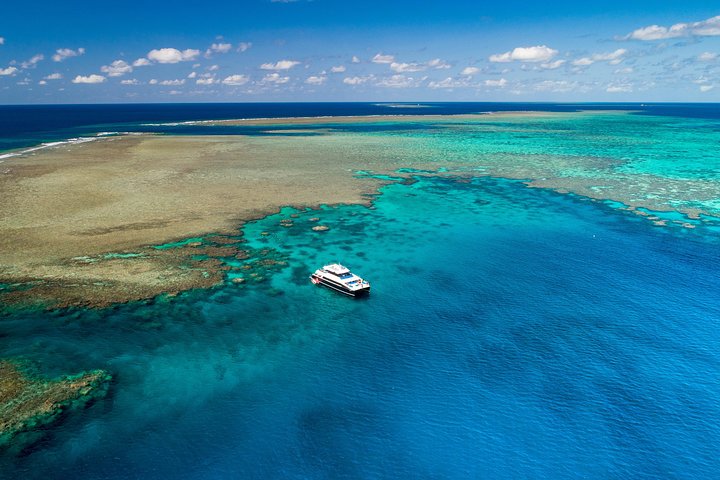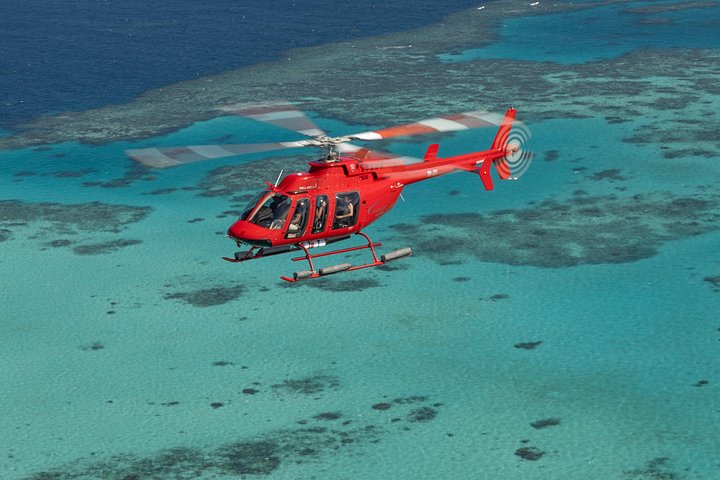
Some views of the Great Barrier Reef only make sense from the air. From above, the reef becomes a living map: green and turquoise lagoons, white sand cays, dark edges where the continental shelf drops away and patterns of coral that look like abstract art. Scenic flights from Port Douglas offer short, high-impact trips in fixed-wing aircraft or helicopters, typically lasting from around half an hour to an hour, and many companies offer a choice between a reef flight, a rainforest flight or a combined version. Some routes pass over Low Isles, the Daintree coastline and Cape Tribulation, where rainforest meets reef in a rare World Heritage pairing. A flight is a good way to add a reef experience for anyone who cannot or does not want to swim, and an excellent complement for those who already plan to snorkel. It also works as a time-efficient option when weather or schedule rules out a full-day cruise. Photographers love the light and the geometry, particularly in the morning.
Choosing the right flight depends on what you want to see. A reef flight heads offshore to look at coral formations, cays and, at certain tides, the Low Isles and outer reefs. A rainforest flight follows the coast and mountains, with views of the Daintree, Mossman Gorge and Cape Tribulation. Combined flights try to do both in a single trip. Helicopter flights give a slower, more flexible view and often include a door-off option or a reef landing, while fixed-wing flights are cheaper and cover a larger area.
Weather matters. Clear, calm mornings give the best colour in the water, and strong winds or low cloud can lead to delays or changes. Operators will rebook or refund when conditions are unsafe, so flexible tickets are worth choosing. The wet season, roughly November to April, can bring heavy showers, but breaks between storms often produce spectacular light.
Practical points
Wear dark, non-reflective clothing to reduce glare in the windows, bring sunglasses and a camera with a fast shutter, and confirm weight limits and age rules when you book. Many operators offer a pickup from Port Douglas hotels. A scenic flight combines well with a snorkel trip, but avoid flying within the recommended period after scuba diving, as operators will advise. Treat a flight as a highlight in its own right, not a lesser substitute, and book the earliest slot for the best light.
Some details are worth knowing before you go. Flights are scheduled in the morning for the best light and the smoothest air, and afternoon sea breezes can make flights bumpier. If you are prone to motion sickness, ask about the aircraft type and take a tablet beforehand.
Sit on the side the pilot recommends, since seating is often allocated by weight for balance. A window seat is not guaranteed, and you may share a view with other passengers, so bring a camera with a fast shutter and avoid shooting through scratched glass if you can help it.
Ask whether there is a minimum number of passengers, since some operators only fly when a seat count is reached, and check whether your ticket includes hotel pickup. A flight is also a useful preview of places you plan to explore on foot, helping you grasp the layout of the coast.
What to expect
The experience
A short scenic flight over the Great Barrier Reef, the Daintree coastline or both, with commentary from the pilot.
Best time
Clear, calm mornings give the best colours in the water.
How long
Flights run from around half an hour to an hour, with check-in and briefing on top.
Tips
Wear dark clothing to cut reflection in the windows, bring a camera and choose a flexible ticket.
Quick picks
- Best for
- Anyone who wants the big picture of the reef and the rainforest, including non-swimmers.
- Families
- Many flights accept children, but check age and weight rules when you book.
- Couples
- A memorable, romantic way to see the reef from above.
- Pair with
- A snorkel trip or a Daintree day.
- Time needed
- Allow half a morning including transfers.
Good questions
Is it better to fly by helicopter or plane?+
Helicopters give a slower, more flexible view, while fixed-wing flights are usually cheaper and cover more ground.
Can I see the reef from the air?+
Yes, reef flights pass over cays, lagoons and coral formations, with the best colours in calm, sunny conditions.
Do flights run in the wet season?+
Yes, subject to weather. Showers are common from roughly November to April, but there are often clear windows.
Can I fly after diving?+
Follow the operator's advice, as divers must leave a gap between diving and flying.
Is it worth the money?+
It is a premium experience, best for people who value the view and the photographs.