Port Douglas has a tropical climate with two main seasons rather than four, and the right time to visit depends on what you value most: comfort, clear water, quiet streets or lush scenery. There is no truly bad time, but there are trade-offs.
The dry season, May to October
This is the most popular time, and for good reason. Days are warm and sunny, humidity is lower and rain is rare. The trade winds can make reef crossings choppier, but visibility underwater is often excellent and the Daintree is easy to walk. Stingers are generally absent or much reduced, so swimming in the sea is less restricted, although signs must always be followed. Expect higher prices, busier tours and full resorts, especially around school holidays in June and July and again in September. Book reef trips, Daintree days and accommodation well ahead.
The wet season, November to April
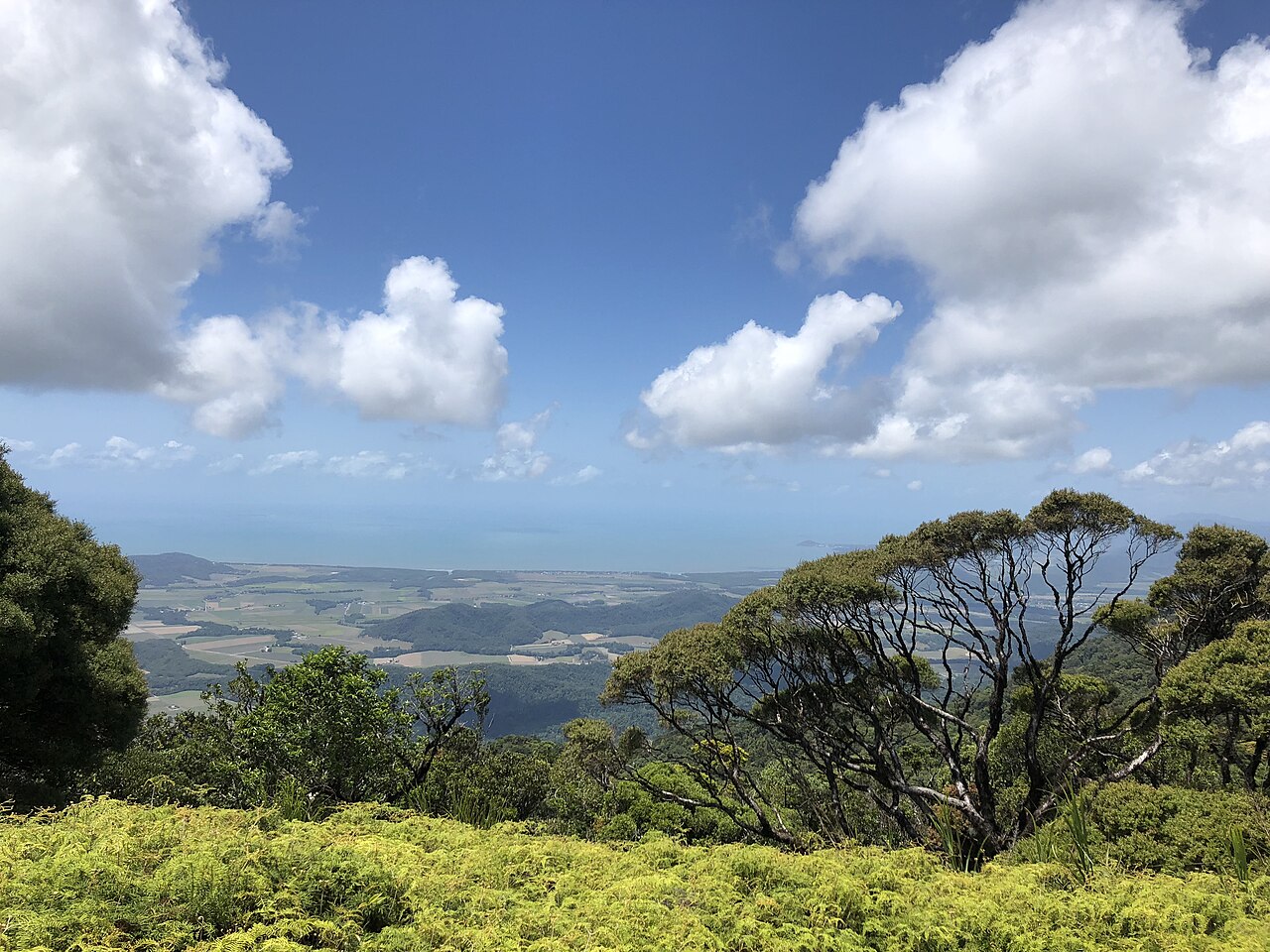
The wet brings heat, humidity and afternoon storms, with the heaviest rain in the first months of the year. The rainforest is at its greenest, waterfalls run strongly and Port Douglas is quieter. Some days are calm and clear, others are grey and wet, and tropical cyclones are a possibility, so travel insurance and flexible bookings are wise. Roads in the Daintree can close temporarily after heavy rain. The advantage is lower prices in some properties, fewer crowds and dramatic skies.
Stinger season, roughly November to May
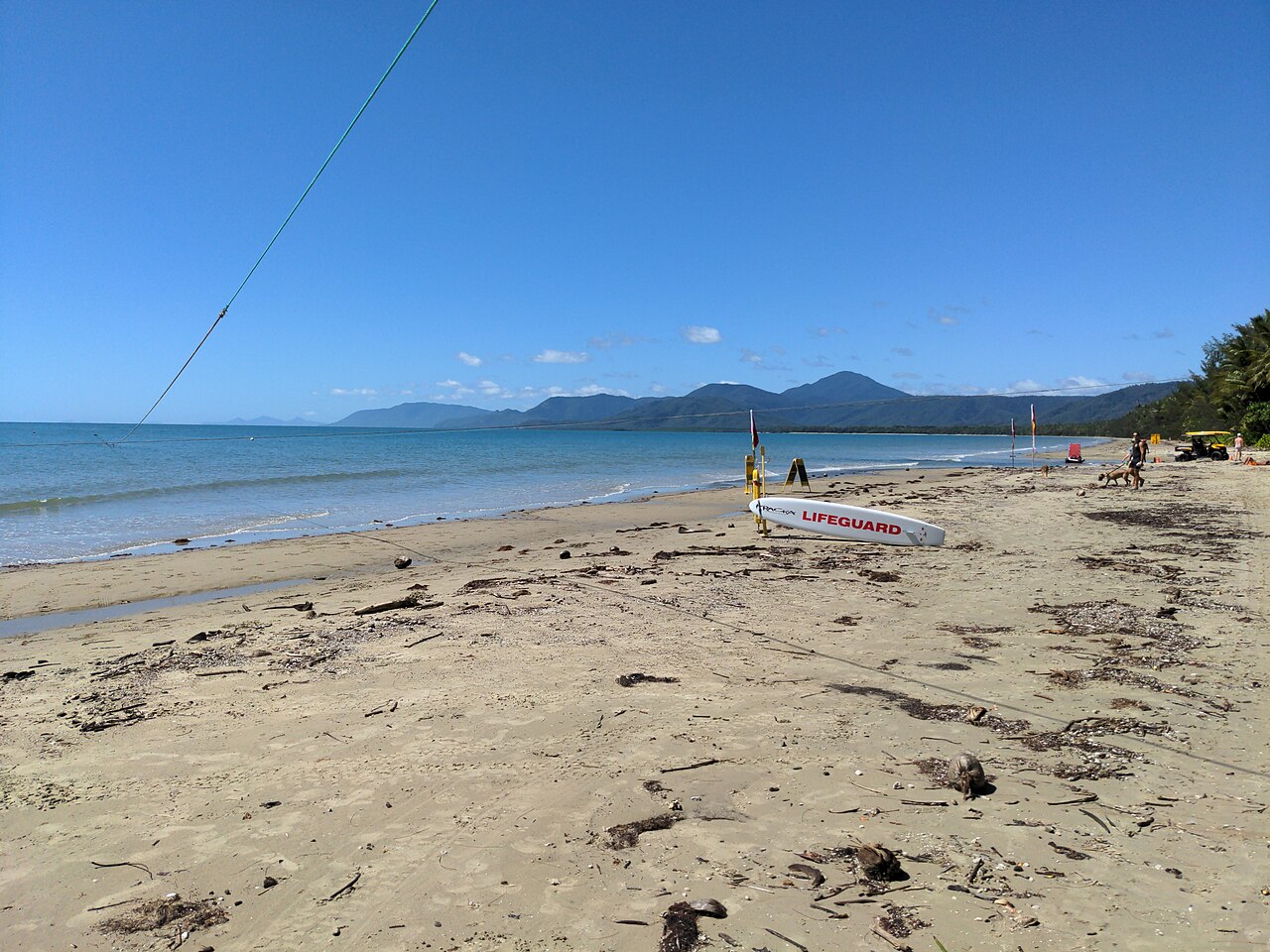
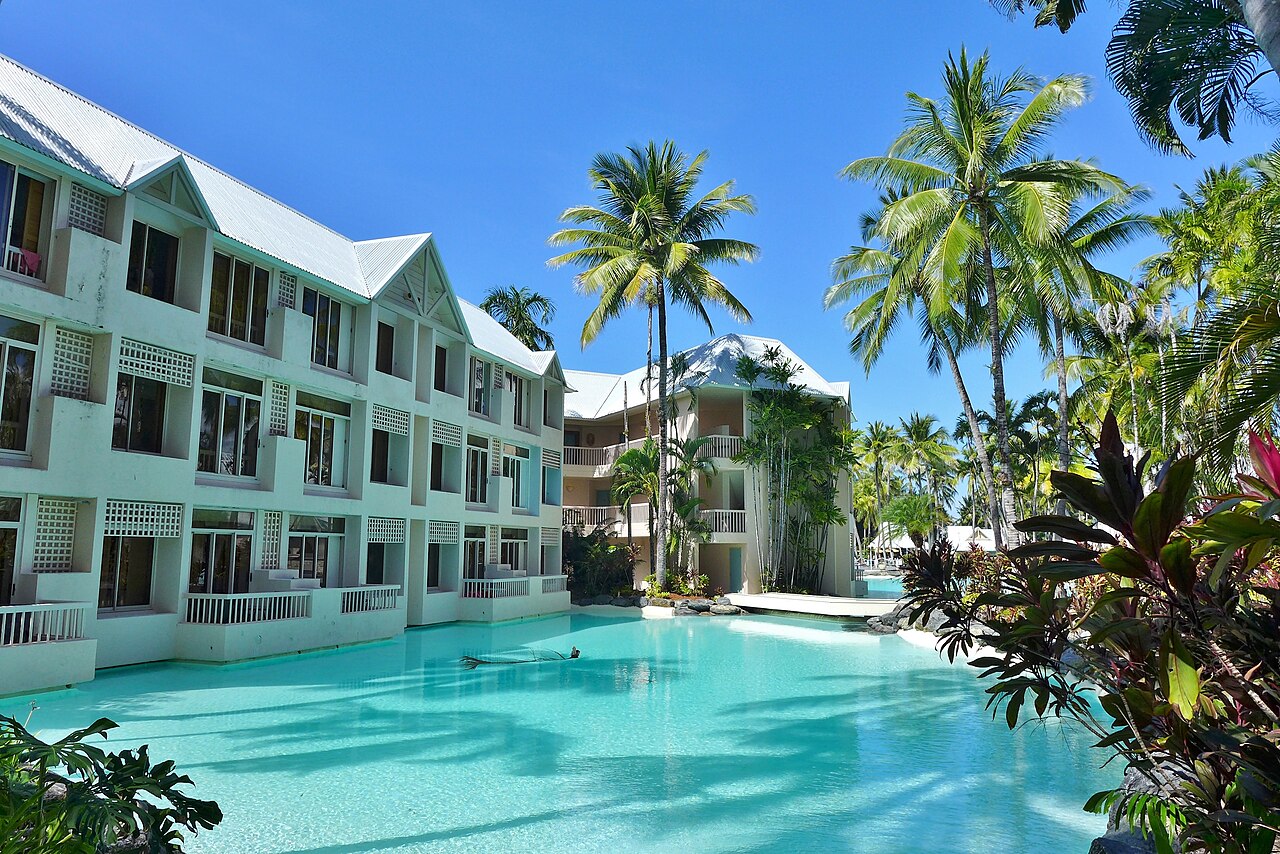
Box jellyfish and Irukandji are present in coastal waters during these months. Beaches may have stinger nets or designated swimming areas, and some are not patrolled for swimming at all. Reef operators supply full-body stinger suits, and the outer reef carries a lower risk than the coastal shallows. If you visit in these months, plan to swim in patrolled areas, hotel pools and freshwater holes where signed safe. Crocodiles are present all year in rivers and estuaries, so never swim in unsigned water.
Reef visibility and conditions
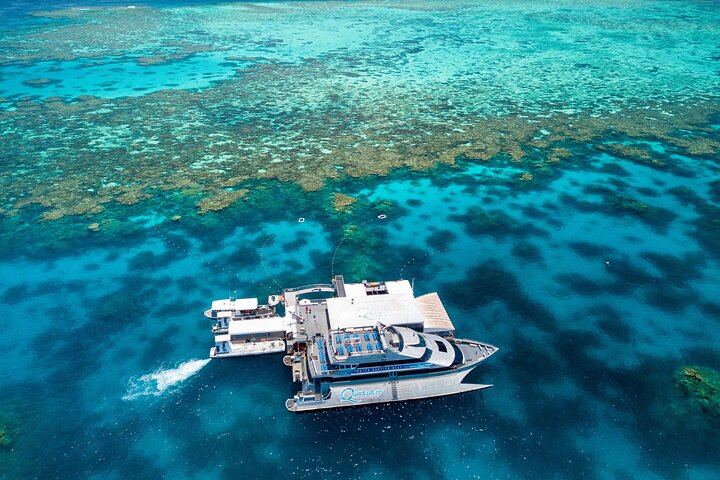
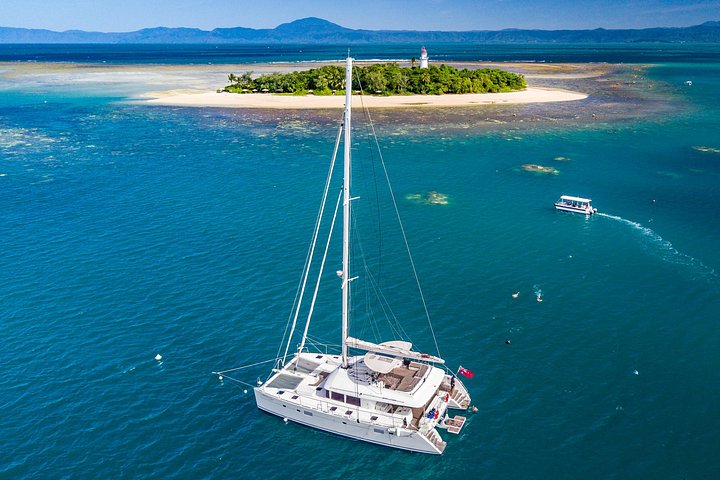
Outer reef visibility is typically best on calm days, whatever the month, and the dry season often gives the clearest water. In the wet season, runoff can reduce clarity near the coast, which affects the inner reef such as Low Isles more than the outer sites. Wind, not season, is the main driver of cancellations, so choose flexible tickets.
Wildlife timing
Birds are active year round, and the Daintree River cruise can show crocodiles basking on the banks, most often in the cooler months. Turtles nest and hatch at certain times of year on the northern beaches, and humpback whales visit the region in winter, with sightings possible on some tours. Cassowaries can appear at any time, so keep your distance.
Crowds and prices
The peaks are the dry-season school holidays and the Christmas period. Mid-range months such as May and October offer a good balance of weather and availability. The wet season is the budget window.
Which month for which traveller
Families with school-age children are usually tied to the holidays, so book early. Couples and snorkellers who want the clearest water often favour June to September. Photographers who love moody skies and green rainforest may enjoy the wet. Budget travellers will find better rates in the early months of the year, but should plan around stingers and storms.
Practical tips
In the dry season, pack light layers for cool evenings and boat breezes. In the wet season, pack a rain jacket, quick-dry clothing and insect repellent. All year, bring reef-safe sunscreen, a hat and sunglasses. Build a buffer day into your itinerary in case wind or rain postpones a tour. Buy travel insurance that covers weather disruption, and check road conditions before driving north of the Daintree River.
Packing by season
In the dry season, bring light layers, a sun hat, sunglasses, reef-safe sunscreen and a wind jacket for boats. In the wet season, add a waterproof jacket, quick-dry clothes, a dry bag for electronics and a spare pair of shoes. Insect repellent is useful all year, particularly at dawn and dusk. A rash vest protects against sun and, in stinger season, adds a layer between you and the water. Mosquito-borne illnesses exist in the tropics, so cover up in the evenings and check current health advice before travelling. Keep medications in your hand luggage and carry a copy of your insurance details.