Port Douglas is one of the best departure points for the Great Barrier Reef, with an unusual range of choices: a calm coral cay close to shore, several outer reef cruises, sailing trips and flights. The right choice depends on your swimming confidence, your tolerance for boats and how much time you want in the water.
Low Isles: the easy reef
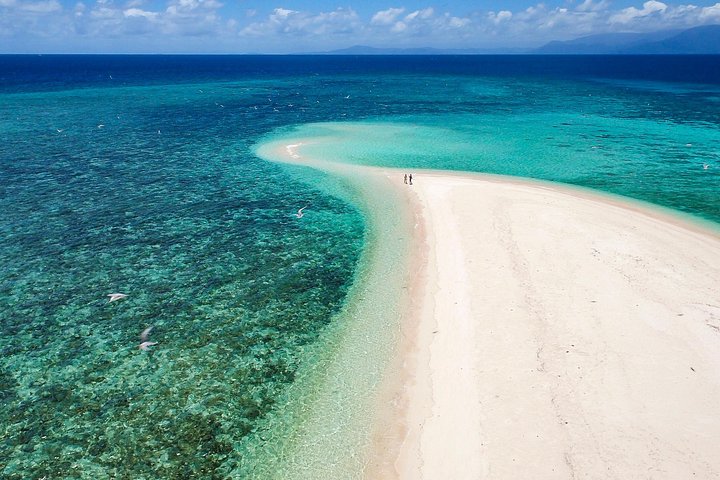
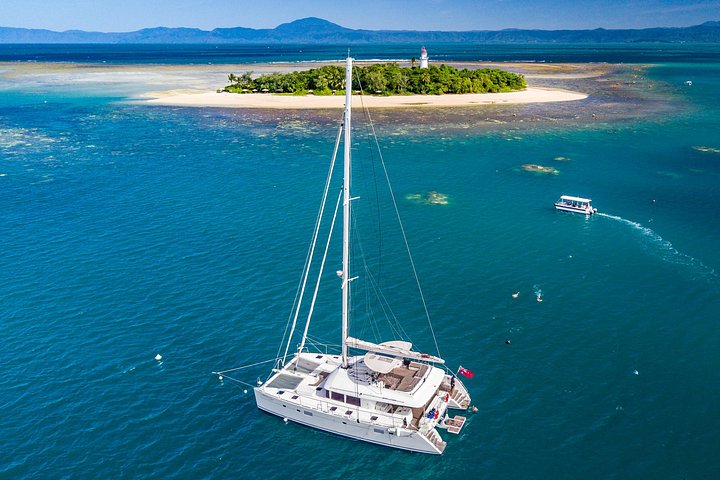
Low Isles is a small coral cay about 15 kilometres offshore, with a sheltered lagoon, a sandy beach and a historic lighthouse. The crossing takes a little over an hour, the water is shallow and calm, and snorkelling is easy. It suits families, nervous swimmers, non-swimmers who enjoy glass-bottom viewing and anyone short on time. The coral is inner-reef quality rather than outer-reef spectacular, so go in expecting a gentle introduction rather than a dramatic wall of colour.
Outer reef cruises: clear water and big coral
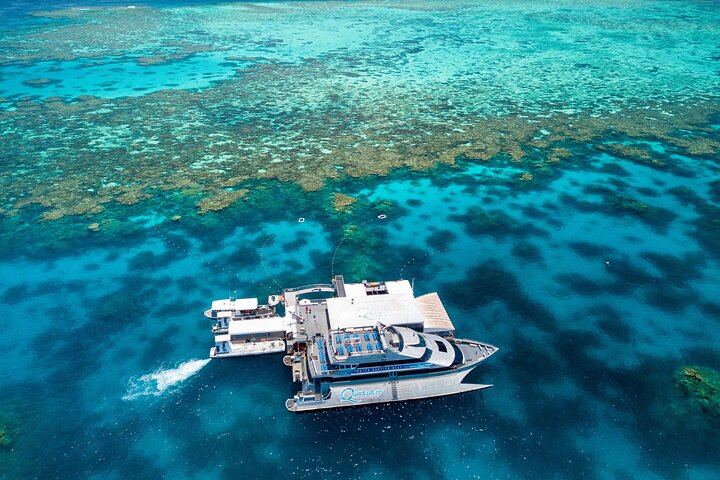
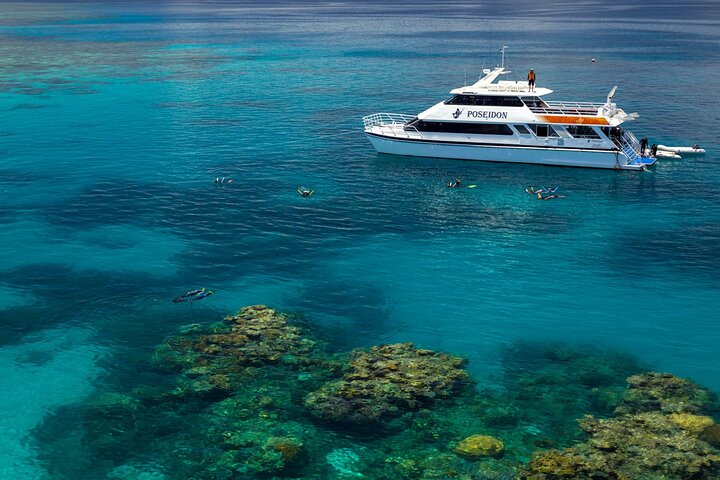
Outer reef cruises take an hour and a half to two hours each way to reach reefs such as the Agincourt Ribbon Reefs or Opal Reef. The water is typically clearer, the coral healthier and the fish larger. Big operators use pontoons with shade, toilets, lunch and a semi-submersible, which is ideal for families and mixed groups. Smaller vessels have fewer passengers and more time in the water, which suits keen snorkellers and divers. Fast catamarans that visit three sites give variety.
Sailing trips
A sailing day to a small outer cay combines wind, quiet and a reef swim, trading facilities for atmosphere. Sunset sails on junk-style boats offer an evening on the water without any snorkelling at all, and they are a good add-on after a day on land.
Diving
Certified divers can join guided dives on most outer reef trips, and beginners can try an introductory dive with an instructor. Check qualifications, medical rules and the minimum age. Dive-focused days spend more time at depth and may include several dives, which makes them more expensive but rewarding for enthusiasts.
Scenic flights
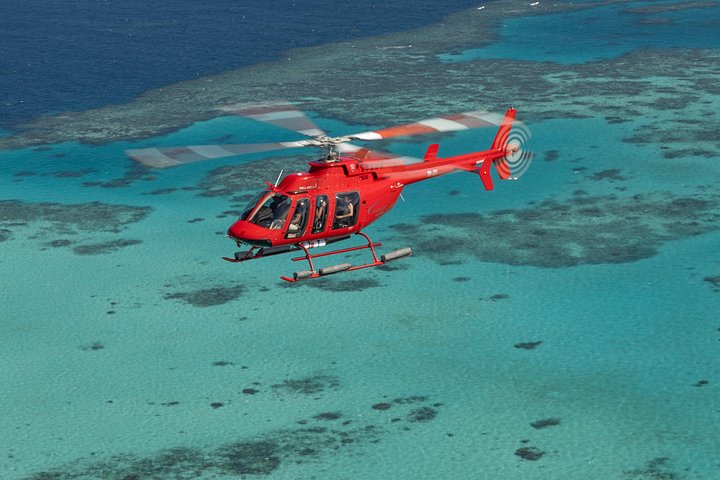
If you cannot swim, dislike boats or want a different perspective, a scenic flight shows the reef from above. Flights of half an hour to an hour pass over coral formations, cays and the Daintree coastline. They combine well with a snorkel trip or stand alone as a premium experience.
Choosing by traveller type
Families with young children: Low Isles or a pontoon cruise. Couples: a sailing trip or a smaller outer reef boat. Keen snorkellers: a smaller boat or a multi-site fast cruise. Divers: a dive-focused outer reef trip. Non-swimmers: Low Isles with the glass-bottom boat, a pontoon semi-submersible or a scenic flight.
Conditions and safety
Wind drives cancellations and discomfort. If you are prone to seasickness, take tablets before boarding and choose the calmest option. Stinger season, roughly November to May, requires full-body suits, which operators supply. Never touch coral or marine life, and apply reef-safe sunscreen or wear a rash vest.
Booking tips
Book early in the dry season from May to October. Choose flexible tickets in case of weather. Compare the time spent at the reef, the number of sites, the passenger numbers, the inclusions and the diving fees rather than relying on price alone. Ask about pickups if you are staying in Cairns or outside the town.
Doing more than one
Many visitors combine an easy day at Low Isles with a later outer reef trip, or a snorkel day with a scenic flight. If you have the time, doing both a calm inner reef and a deeper outer reef day shows how varied the Great Barrier Reef can be.
Protecting the reef
The Great Barrier Reef is a living system under pressure from warming seas, so how you behave matters. Use reef-safe sunscreen or a rash vest, never touch or stand on coral, keep fins away from the bottom and stay a respectful distance from turtles and other animals. Choose operators that follow marine park rules and brief guests on reef etiquette. Many cruises collect data on coral health or support research, and guides are happy to explain what they see. Take rubbish with you, avoid single-use plastic where possible and listen to the crew. A responsible visit leaves the reef as you found it.