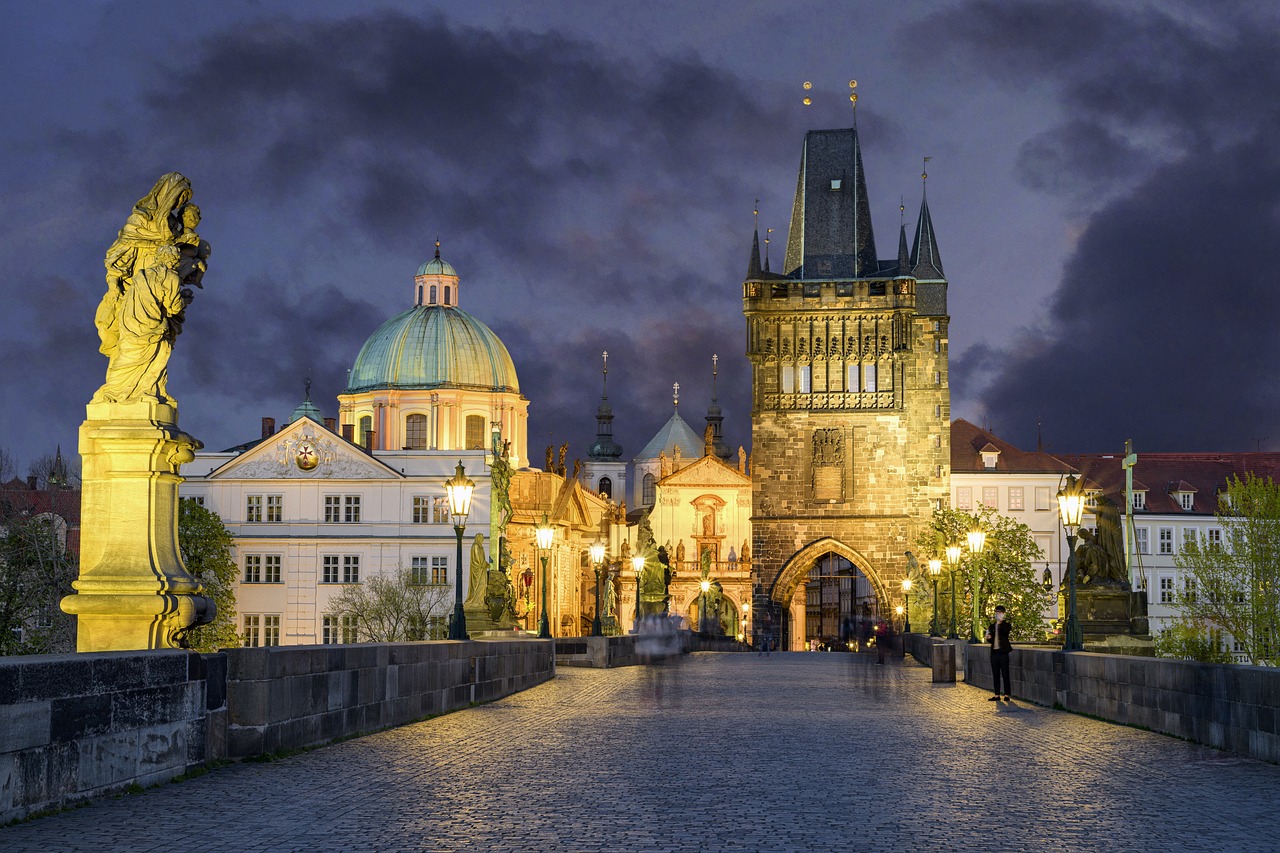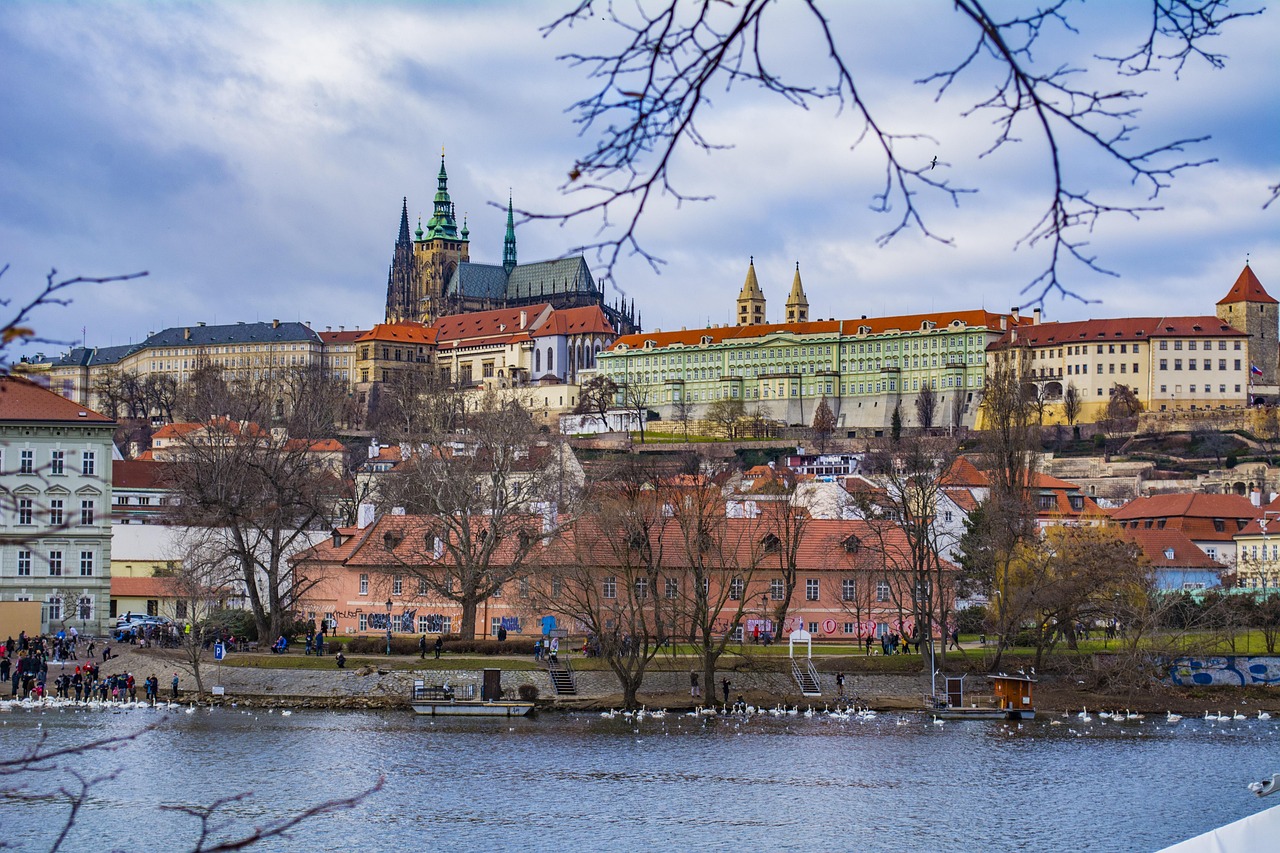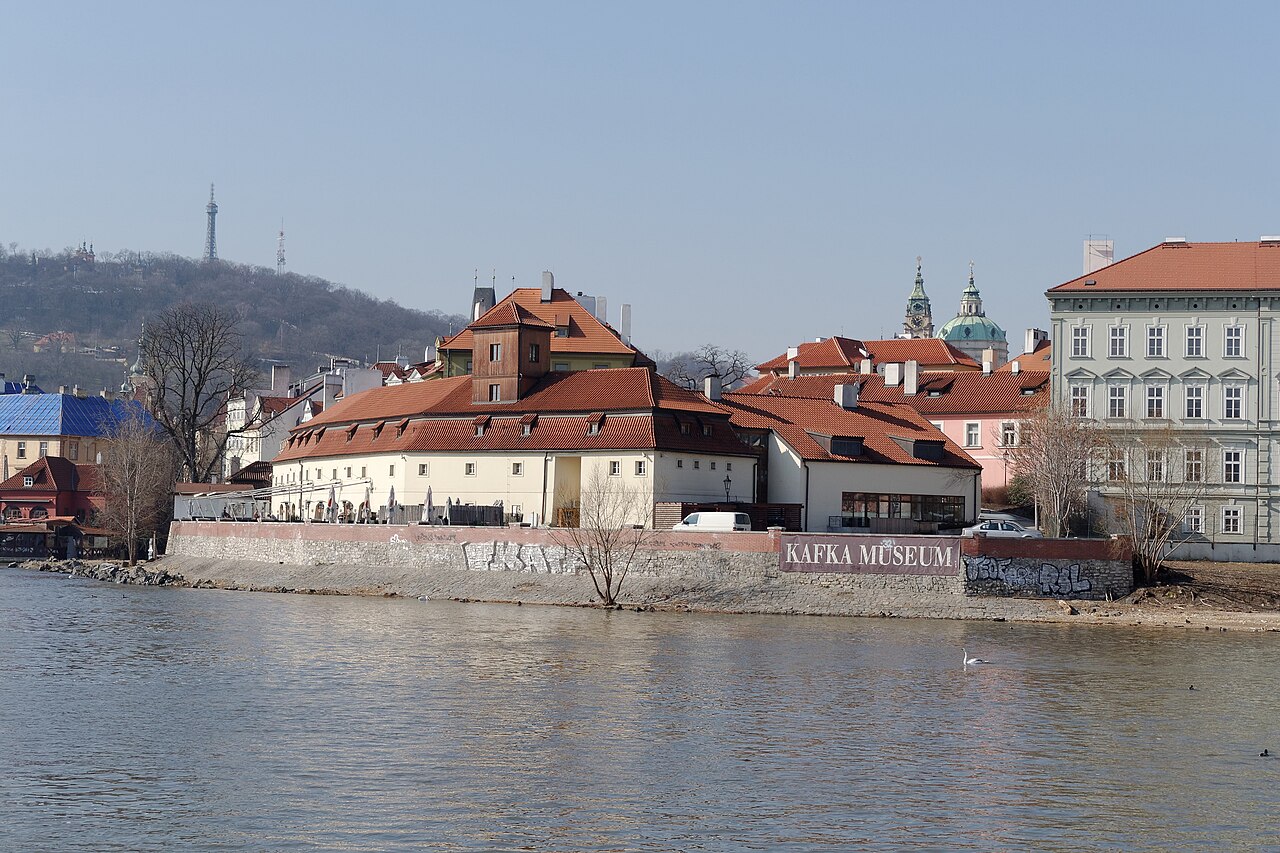
Franz Kafka was born in Prague in 1883, wrote in German, lived most of his short life within a few streets of the Old Town Square, and died in 1924 having published very little of what made him famous. The city has a complicated relationship with him: he is a national literary export and a tourist magnet, yet he spent his life as an outsider, a German-speaking Jew in a Czech city under Habsburg rule. The Franz Kafka Museum, on Cihelná by the Vltava, tries to bring that mixture of belonging and alienation to life. It is not a conventional biography on the wall. The exhibition, known as The City of K., is arranged as a sequence of dark, theatrical rooms in which the writer's life, his letters, diaries, first editions and photographs are set against installations that evoke the claustrophobia and strange logic of his fiction. The result is closer to a walk through the books than a lecture about them. The museum is about a three-minute walk from Charles Bridge on the Malá Strana side, so it fits neatly into a day on the castle side of the river. Tickets are offered either as plain entry with an audio guide or as a bundle with a live introduction, and it is also paired with other attractions in combination offers.
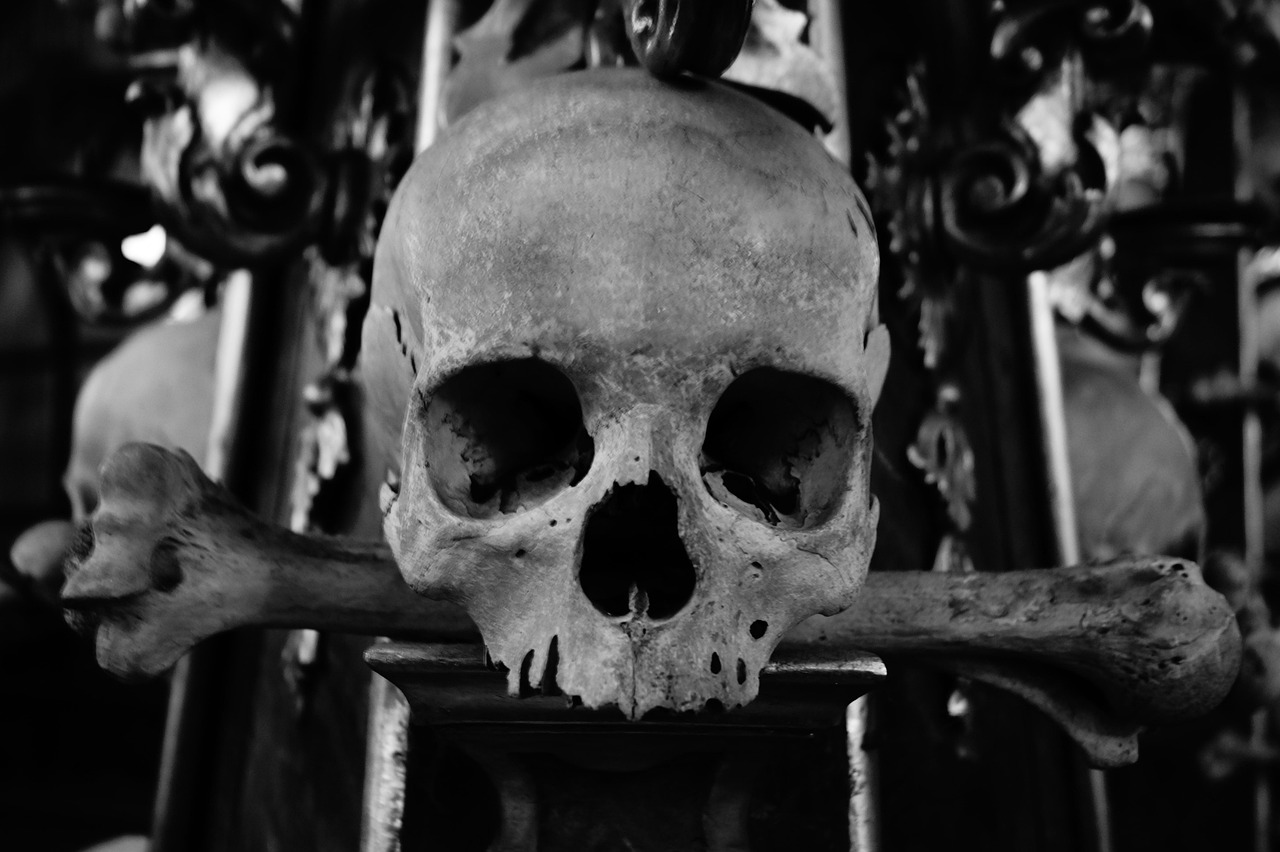
The setting suits the subject. You step into low-lit rooms where cases of manuscripts and photographs sit among shadowy projections, and the soundtrack hums quietly underneath. One half of the exhibition is concerned with Kafka's existential space, the family, the father, the relationships and the offices, and the other with the imaginary topography of Prague as he lived and transformed it.
If you know The Trial, The Castle or The Metamorphosis, you will find echoes everywhere; if you do not, the audio guide supplies enough context to follow the thread without prior reading. It helps to arrive with a rough idea of why Kafka matters: the idea of faceless bureaucracy, unexplained guilt and the individual lost in a system.
Do not miss the courtyard outside. Facing the river, sculptor David Černý's installation of two men standing opposite each other and urinating into a basin shaped like the Czech Republic has become one of the city's most photographed and debated pieces of public art. Parts of the sculpture move, and the water appears to write messages in a text-message style. Whether you find it funny, crude or pointed commentary, it is a pure product of post-communist Prague humour and worth a minute. Kafka himself, characteristically, would probably have been appalled and amused in equal measure.
Practical advice
The museum is small and the passages are narrow, so it can feel crowded at midday; aim for opening time or the late afternoon. Allow about an hour for the exhibition and a little more if you take the longer audio tour. The tone is serious and adult, and the dark rooms are not ideal for small children.
Combine it with Kampa Island and the Lennon Wall, which are within a few minutes' walk, or with the Museum of Communism on the other bank for an evening of Prague's darker twentieth-century stories. Check the current opening hours and any holiday closures when you pick your date.
What to expect
The experience
A dark, theatrical exhibition of letters, diaries, first editions, photographs and installations. Tickets come as entry with an audio guide or as a bundle with a live introduction in English.
Best time
Opening time or late afternoon, when the narrow passages are quieter. A good rainy-day choice in Malá Strana.
How long
About an hour; the longer audio tour is listed at around two and a half hours but most visitors take less.
Tips
Spend a minute in the courtyard with the moving sculpture by David Černý. The rooms are dark and the tone is adult, so think twice with small children.
Quick picks
- Best for
- Readers of Kafka, literature lovers and anyone curious about the Prague of the early twentieth century.
- Families
- Best for teenagers and older children; the dark rooms and subject matter are not suited to the very young.
- Couples
- An atmospheric rainy-afternoon stop, easy to follow with a walk around Kampa Island.
- Pair with
- Kampa Island and the Lennon Wall, Charles Bridge and Malá Strana.
- Time needed
- One hour, or a little more with the audio guide.
Good questions
Where is the Franz Kafka Museum?+
On Cihelná in Malá Strana, beside the Vltava and about three minutes on foot from Charles Bridge.
Do I need to have read Kafka first?+
No. The audio guide explains the writer and his major works well enough to follow, though a little background makes the installations more rewarding.
What is the sculpture in the courtyard?+
It is a piece by Czech artist David Černý showing two figures urinating into a basin shaped like the Czech Republic. It moves and is one of Prague's best-known and most discussed works of public art.
How long does the visit take?+
Most visitors spend about an hour. Allow longer if you take the full audio tour and read the displays closely.
Is it suitable for children?+
It suits teenagers better than small children, because the rooms are dark and the themes are serious.