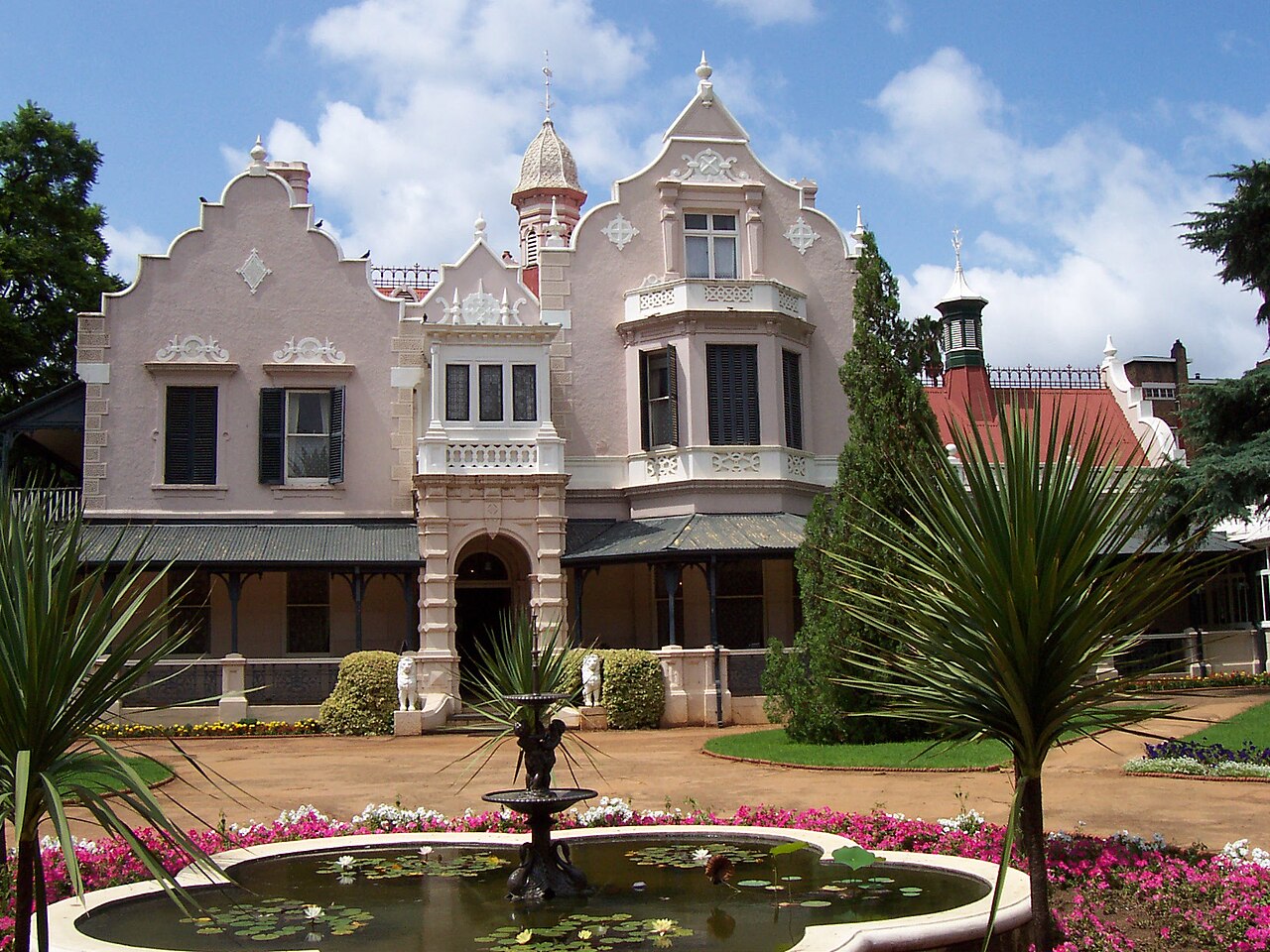
Melrose House is a well-preserved Victorian mansion in the Pretoria suburb of Arcadia, built in the 1880s for a wealthy local businessman and now run as a house museum. Its fame comes from one afternoon in 1902, when the Treaty of Vereeniging, which ended the Anglo-Boer War, was signed in the dining room on 31 May. The house was then the headquarters of Lord Kitchener, and the table, chairs and room layout have been kept so that visitors can picture the scene. Beyond that moment, the house is a fine example of nineteenth-century domestic style in the Transvaal, with stained glass, ornate ceilings, wooden fittings, a conservatory and rooms furnished in the manner of the period. It is one of the most atmospheric small museums in Pretoria and an easy stop for anyone interested in the history of the republic and the war.
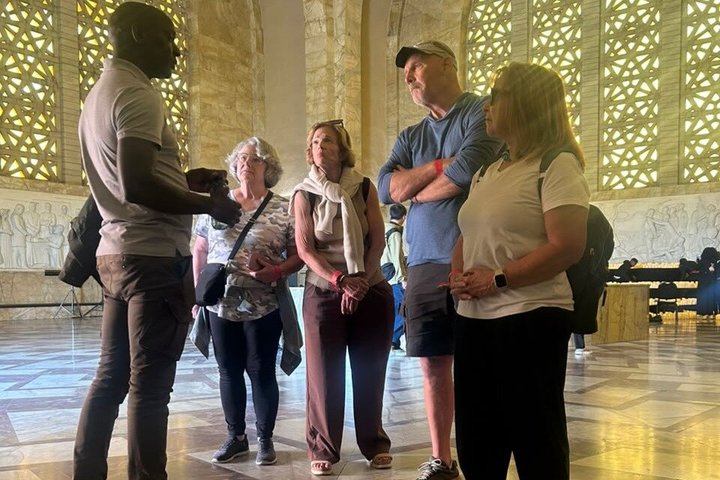
A visit usually begins with the hall and reception rooms, where the Victorian decoration is on show: tiles, carved timber, heavy curtains and a mix of European and South African furniture. The dining room, where the treaty was signed, is the high point, and guides explain the negotiations, the delegates and the background to the war.
Upstairs and in other rooms, displays of clothing, household objects and photographs give a picture of daily life for the families who lived in the house. The glass work is particularly good, and the conservatory and the garden give a pleasant pause in the visit.
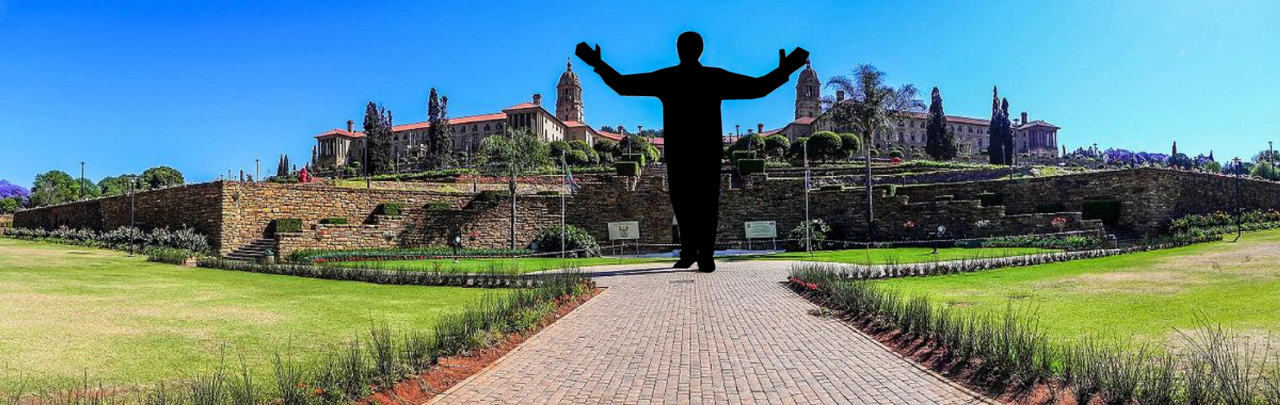
The house is small enough to see in about an hour, which makes it a useful stop between larger attractions. It is open most days, though hours differ at weekends, so check before you go. Tea and light meals are available in some seasons in the grounds. The location, close to the Union Buildings and Arcadia Park, makes it easy to include in a morning itinerary that starts with the Mandela statue and ends with lunch in nearby Hatfield or Brooklyn.
History readers get the most from the visit. The Anglo-Boer War is an important and contested episode, and the way the museum presents it is measured rather than triumphalist. For visitors with children, the house is manageable if they have some interest in history, and the garden gives them a place to move around. The stained glass and ornate ceilings make it a pleasing visit even for those who are not specialists, and the sense of stepping into a specific afternoon is memorable.
Planning note
Ask the guide about the conservatory, the family's collection of glassware and the way the house changed hands after the war. Small groups tend to get the most from the tour, and the quieter midweek hours leave time to ask questions. Wear shoes suitable for polished wooden floors.
What to expect
The experience
Guided or self-guided visit through the period rooms, including the dining room where the 1902 treaty was signed.
Best time
Weekday mornings; check weekend hours before travelling.
How long
About an hour.
Tips
Ask for a guide for the story of the treaty, and combine with the Union Buildings nearby.
Quick picks
- Best for
- History readers and lovers of Victorian interiors.
- Families
- Best with older children who enjoy stories and old houses.
- Couples
- A calm, atmospheric stop followed by tea.
- Pair with
- The Union Buildings and Church Square.
- Time needed
- One hour.
Good questions
What happened at Melrose House?+
The Treaty of Vereeniging, ending the Anglo-Boer War, was signed in the dining room on 31 May 1902.
How long do I need?+
About an hour.
Is it suitable for children?+
Yes for those with an interest in history, and the garden helps.
Where is it?+
In the Arcadia suburb, close to the Union Buildings.
Is it open every day?+
Hours vary, particularly at weekends, so check before you go.