South of Arles the Rhône splits into its last branches and spreads into the Camargue, a flat, watery landscape of lagoons, reed beds, salt pans, rice fields and open grassland that runs to the Mediterranean. It is one of the largest river deltas in western Europe and a protected regional park, and it is home to three animals that define the place: the small white Camargue horses, the black bulls raised on the ranches and the flamingos that gather on the shallow lakes. A 4x4 safari is the most practical way to see it, because many of the best tracks between the lagoons are unpaved and closed to ordinary traffic, and a guide knows where the animals gather and how to approach without disturbing them. Departing from Arles, the tour makes a good change of pace after days of Roman stone and hill villages.
A typical safari lasts about four hours and follows sandy tracks through the marshes and between the ranch fields. You stop often to watch and photograph from the vehicle or from the edge of a track, and the guide explains how the delta works: how the herds graze half wild, how the gardians, the Camargue cowboys, still work the bulls on horseback, how rice is grown in flooded fields and how salt is harvested in the pans near the coast. Many tours pass through or near Saintes-Maries-de-la-Mer, the small seaside town whose fortified church is the focus of a pilgrimage each May, and some include a stop at a ranch or a taste of local products such as the rice and the wines grown in the sand.
Birdlife is the other attraction. Flamingos are present across much of the year, with the largest numbers in spring and summer, and the delta is also a stopover for herons, egrets, avocets and many other species, so keen birdwatchers should bring binoculars. Spring and early summer bring wildflowers and nesting birds, autumn is quieter and clear, and winter can be windy and cold but empty.
The mistral blows across the open land with nothing to stop it, so a windproof layer is useful in any season. In summer the delta is hot and the mosquitoes are a real nuisance, so bring repellent and light long sleeves.
Practical points help. Closed shoes and a hat suit the dusty tracks, and a camera with a zoom lens makes more of the distant birds than a phone. Tours have set start times, so be on time at the meeting point, and check whether your departure is shared or private and what languages are offered.
The animals are not trained to be photographed, so the guide may be unable to guarantee close views of every species, but most visitors see horses, bulls and flamingos on a normal trip. Travelling with children is straightforward because the vehicle does most of the work, and the open-sided views and the animals keep younger visitors interested.
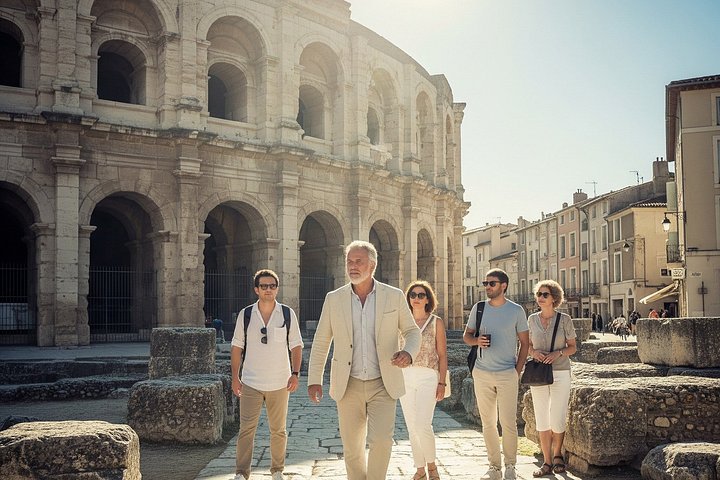
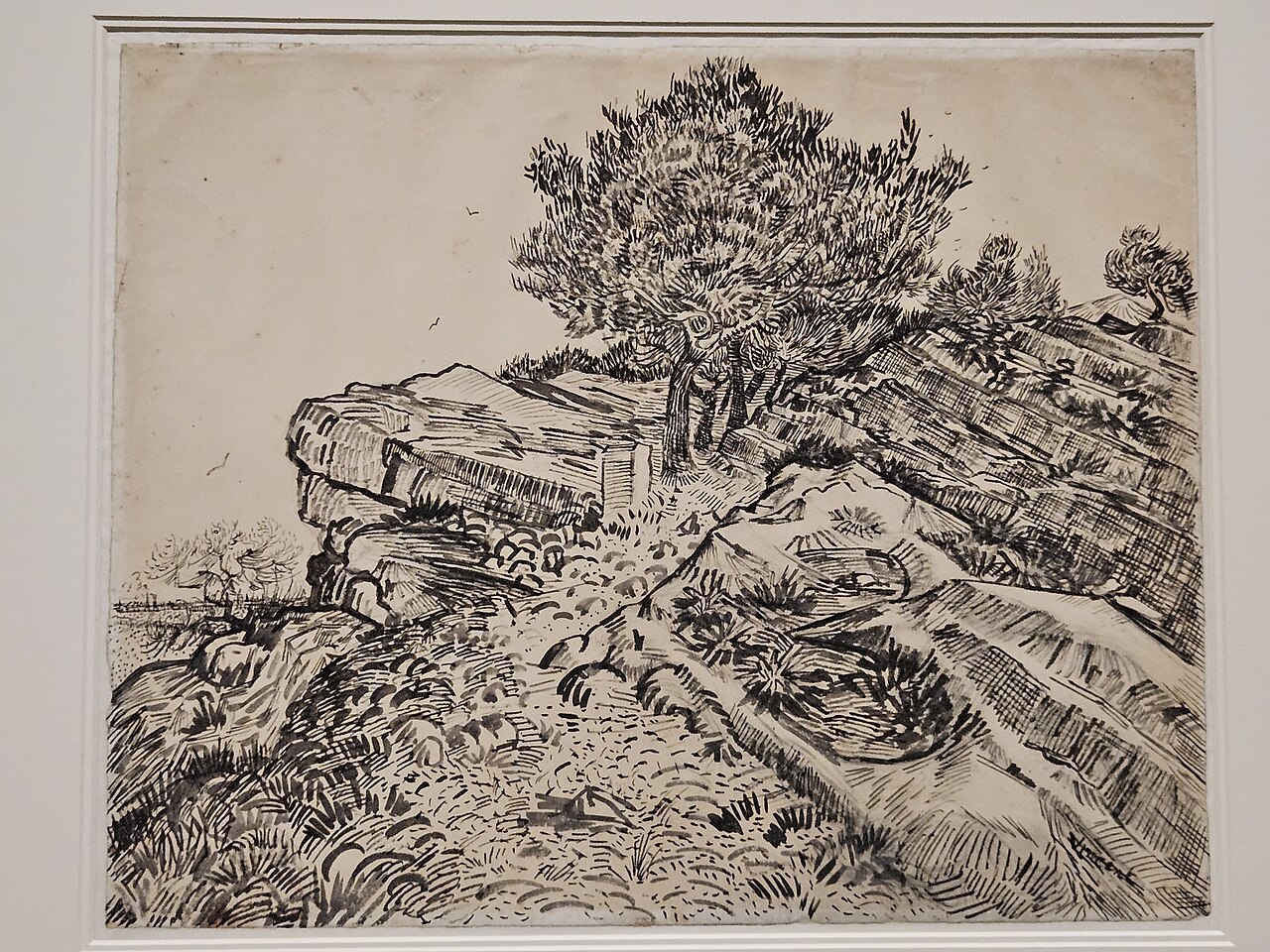
The Camargue fits easily into a stay in Arles. Many people combine it with the Roman monuments and the Van Gogh trail in the morning, then spend the afternoon on the delta, or do the safari first and finish with a walk through the old town. The walled medieval town of Aigues-Mortes lies at the western edge of the delta and is a good addition if you have a car, and a stop for local specialities such as bull stew and rice dishes makes a satisfying meal after the tour.
If you are based in Avignon, Arles is a short train ride away and the departure point is close to the station.
What to expect
The experience
A guided 4x4 trip from Arles into the Camargue delta, with stops to watch horses, bulls and flamingos and an explanation of life in the wetlands.
Best time
Spring and early summer for birds and wildflowers; early morning or late afternoon for the best light and cooler air.
How long
About four hours, including the drive from Arles and several stops.
Tips
Bring insect repellent in summer, a windproof layer in any season, a hat, closed shoes and binoculars if you like birds.
Quick picks
- Best for
- Nature lovers, families and anyone who wants a break from Roman ruins and villages.
- Families
- Good for children, since the vehicle does the work and the animals are easy to spot.
- Couples
- A late-afternoon departure for soft light over the lagoons.
- Pair with
- The Arles Roman monuments and Van Gogh trail, or Aigues-Mortes if you have a car.
- Time needed
- Four hours, plus time to reach the meeting point.
Good questions
What will I see on a Camargue safari?+
Most visitors see the white Camargue horses, black bulls and flamingos, along with herons, egrets and other wetland birds. Sightings depend on the season and the day.
When is the best time to go?+
Spring and early summer are the best for birds and wildflowers. Summer is hot and has mosquitoes, while autumn is calm and clear and winter can be windy and cold.
Do I need a car to join the tour?+
No. The tour departs from Arles, which has a rail connection from Avignon, so you can go without a car. Check the meeting point when you book.
Is it suitable for children?+
Yes, in general. The vehicle covers the ground and the animals are easy to spot, though young children may tire of a four-hour trip in hot weather.
What should I bring?+
A hat, water, closed shoes, a windproof layer, insect repellent in summer and a camera with a zoom lens. Binoculars are useful for the birds.