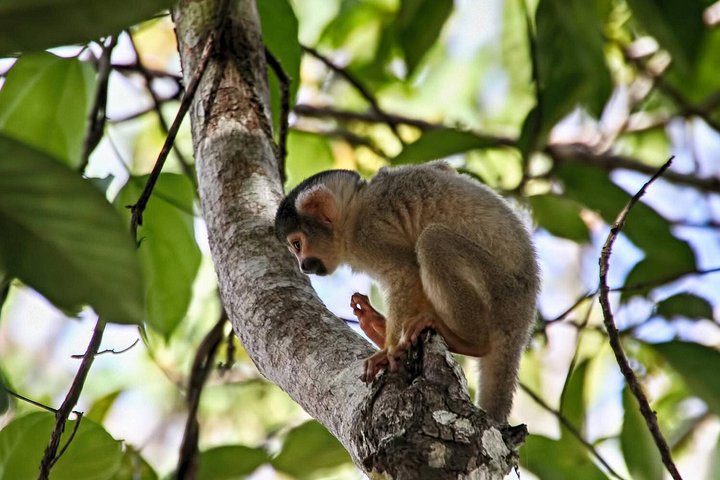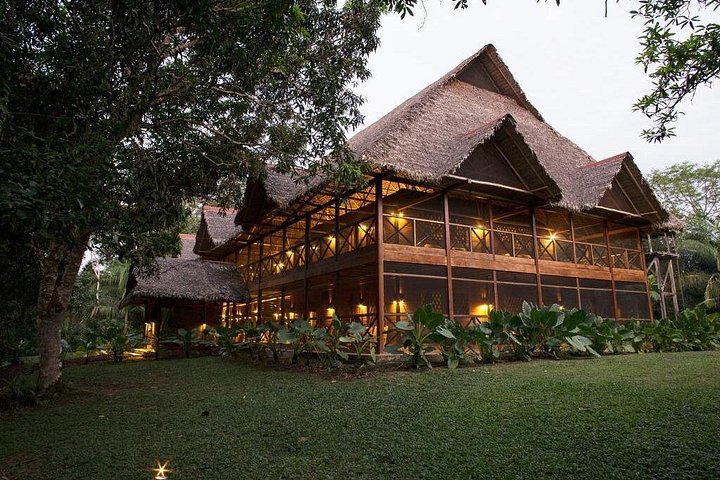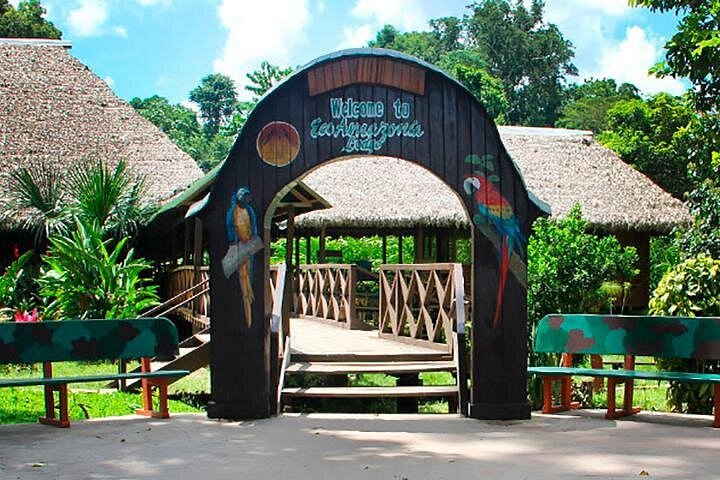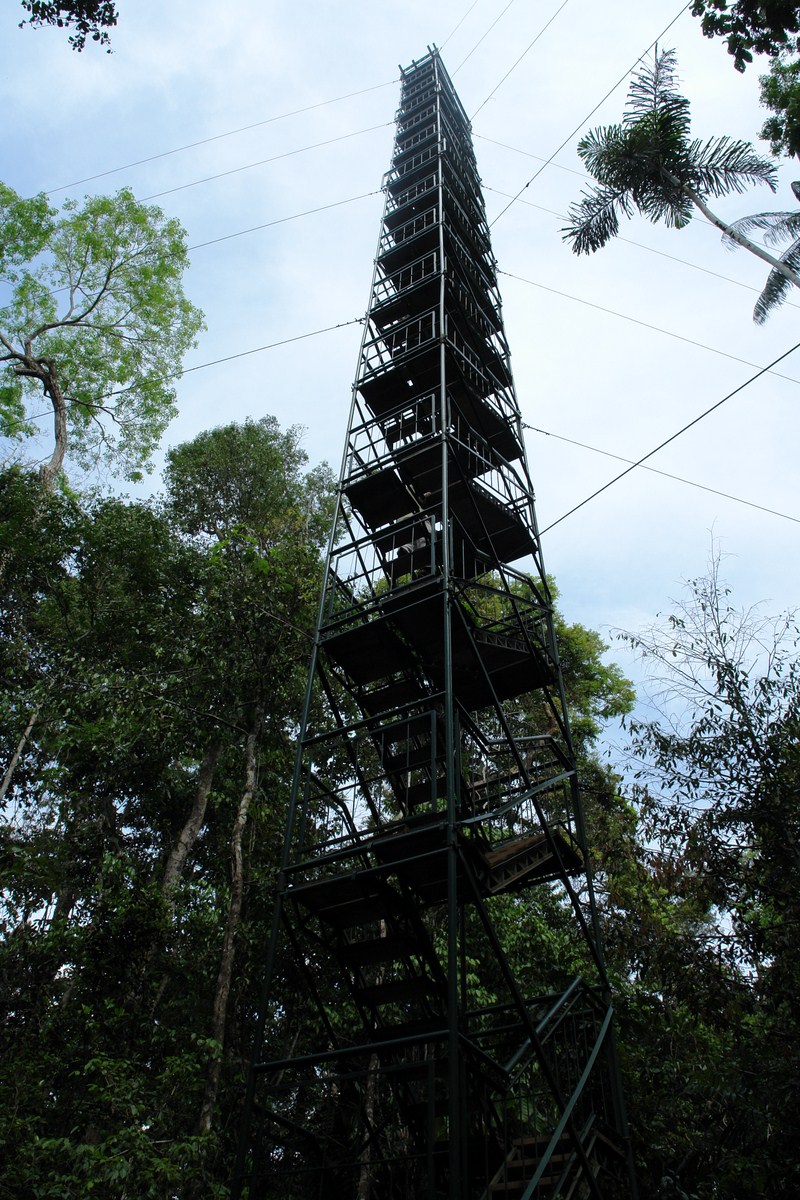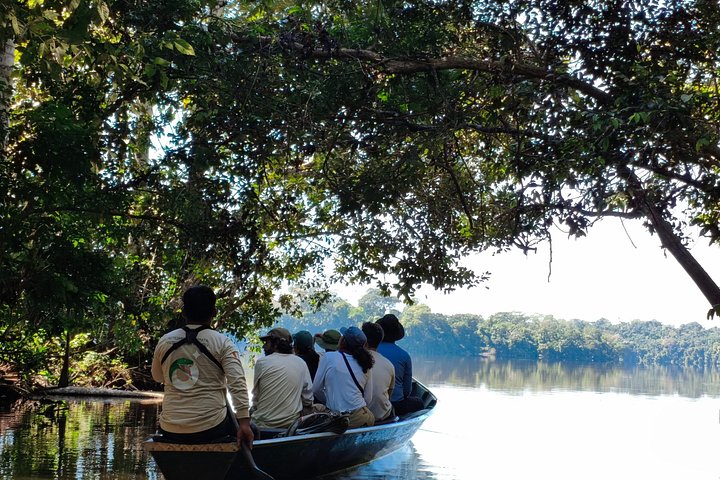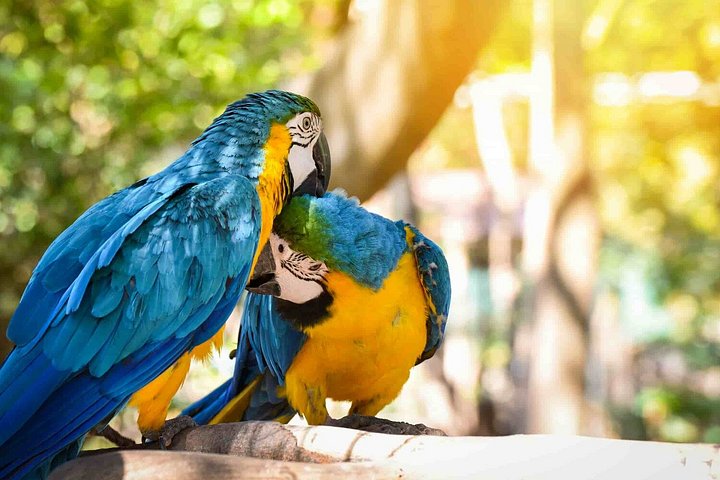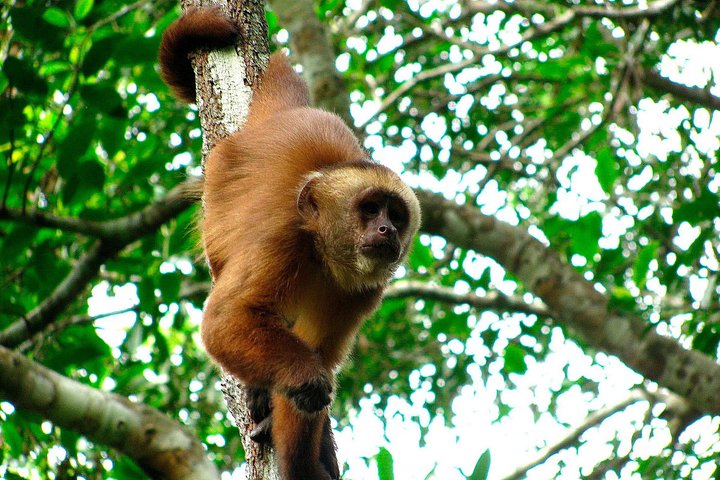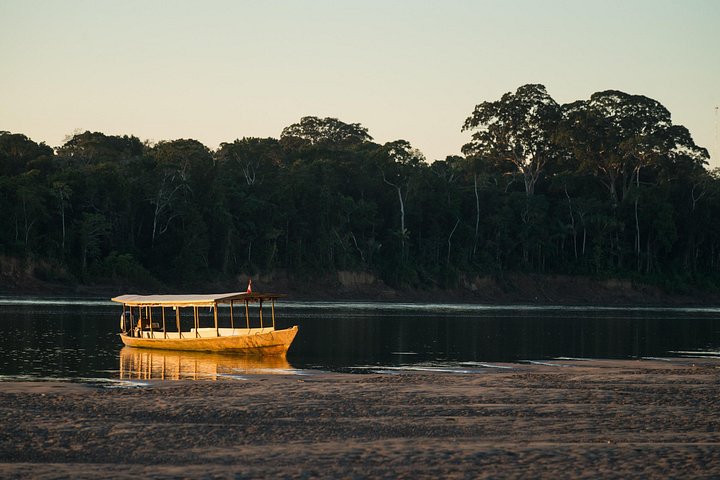
Inkaterra is one of the best-known ecotourism brands in Peru, and its Amazon field station is a more basic and budget-friendly alternative to its luxury lodges. A three-day program here gives you a base in a forested area within reach of Puerto Maldonado, with guided activities, meals and simple lodging included. The setting is meant to feel closer to a research outpost than a resort, which suits travelers who care more about the forest than about creature comforts. Expect a mix of guided walks, boat trips and evening outings. Field-station programs often emphasize the natural history of the area, so guides tend to focus on plants, insects, birds and mammals, and on how the pieces fit together. You may learn how to read tracks, identify calls and spot signs of animals that stay out of view. For curious visitors, this approach can be more rewarding than a quick look at the highlights.
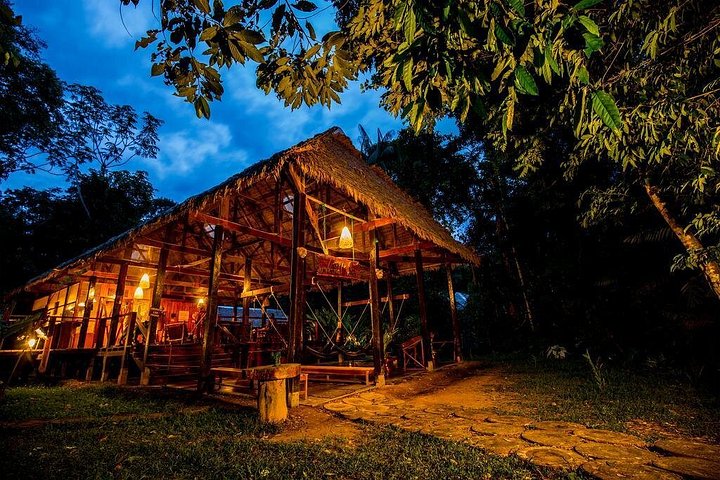
Because the lodge is simple, set your expectations accordingly. Rooms are typically basic, with fans, nets and shared or basic facilities, and electricity and hot water may be limited. In return, you stay in a place that puts you directly in the forest and supports an organization with a long record of conservation work. The quiet of evenings and the dawn chorus are part of the appeal.
Compare this option with the higher-end Inkaterra lodges on the river if you are choosing between them. The luxury properties offer private rooms, better food and more refined service, while the field station is a lower-cost way to reach a similar landscape. Guides at both are generally well trained, and the educational side of the programs is a strong point of the brand.
Pack like you would for any lodge stay, with quick-drying clothing, closed shoes, rain gear, repellent, a head lamp, binoculars and a reusable bottle. Confirm what is included, such as transfers, meals, guiding and entrance fees, and ask about the walking difficulty. Programs and facilities can change over time, so rely on the details shown when you book and on the staff on arrival.
Planning notes. The field-station idea is to bring visitors close to the forest while supporting research and conservation, so it is worth asking how the lodge contributes. Many travelers like the educational angle and appreciate when guides share details about ongoing projects. Because the lodging is simple, bring your own essentials such as a towel, a head lamp and any toiletries you prefer. Ask whether the program includes drinks, since bottled water and soft drinks are sometimes extra.
Check the transfer times and the order of the activities, and tell the staff about any diet needs. The dry months bring the easiest travel, while the wetter months bring lush scenery and more frogs. If you hope to stay in a higher category lodge, look at the other Inkaterra options and compare the price, the room type and the activities offered. Be mindful of noise and light at night to avoid disturbing wildlife around the lodge, and keep to marked trails.
Guests who enjoy the simple setting often say the biggest rewards are the quiet evenings and the chance to talk with guides who know the area well. Bring curiosity, a notebook and a willingness to slow down, and the stay will repay you in small discoveries.
What to expect
The experience
A three-day program at a simple field-station style lodge with guided walks, river trips and natural history talks.
Best time
The drier months from May to October are the most comfortable, though the forest is rewarding all year.
How long
Three days and two nights, with transfers included in most programs.
Tips
Expect basic lodging, bring a head lamp and binoculars and ask about the walking difficulty.
Quick picks
- Best for
- Nature lovers who want a respected operator and a research-station feel at a moderate price.
- Families
- Works for older children who enjoy simple lodges and guided nature walks.
- Couples
- A quiet, immersive stay with a conservation focus.
- Pair with
- A clay lick trip or Lake Sandoval.
- Time needed
- Three days.
Good questions
How is the field station different from the Inkaterra lodges?+
It is simpler and lower in cost, with a focus on nature rather than luxury.
Is it comfortable?+
It is basic but adequate. Expect fans, nets and limited electricity.
Are meals included?+
Programs normally include meals, but check the tour page.
Are guides well trained?+
Inkaterra has a good record for its guiding, though quality varies by guide.
Can I add a clay lick?+
Possibly through the operator or a separate trip; ask when you book.