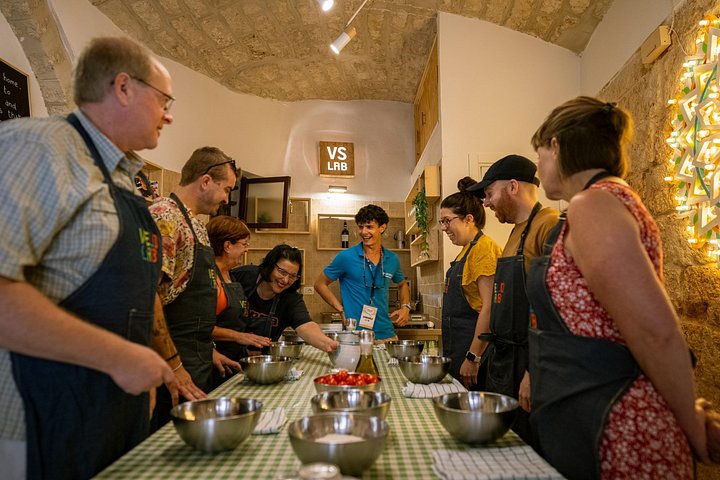
Puglia is dairy country as well as olive and wine country, and its fresh cheeses are among the best in southern Italy: mozzarella, stracciatella, burrata and caciocavallo are all part of daily life here. A two-hour mozzarella experience takes you into the dairy to watch, and then do, the process yourself. You learn how milk and curd become cheese, how hot water is used to stretch the curd until it turns glossy and elastic, and how skilled hands pull and shape it into balls, braids or knots. It is a satisfying, tactile experience and a world away from buying a plastic-wrapped ball in a shop. The session is aimed at everyone, not just keen cooks. A cheesemaker leads the group, explains the ingredients and the timing, and helps you if your first knot is lopsided. At the end you taste your work, usually with bread, tomatoes and olive oil, and perhaps sample other local cheeses and cured meats. Because the cheese is so fresh, it tastes milky and sweet in a way that does not survive a long journey, which is exactly why the experience is worth doing on the spot.
Most sessions run for around two hours and are suitable for children as well as adults, since the work is hands-on but simple. The warm water and curd can be hot to touch, so expect to be told to use gloves or work quickly, and follow the maker's guidance. Wear comfortable clothes you do not mind getting splashed, closed shoes and tie back long hair. Aprons are usually provided.
Timing is flexible, but morning sessions are often best because the cheese is made fresh and then eaten for lunch. If you are travelling with children, the mozzarella class is a nice break from sightseeing, giving them something active and edible. Vegetarians can generally take part, as mozzarella is vegetarian-friendly in many cases, although the rennet used may vary, so ask if this matters to you. Guests with lactose intolerance should note that fresh cheese contains lactose and should check with the host beforehand.
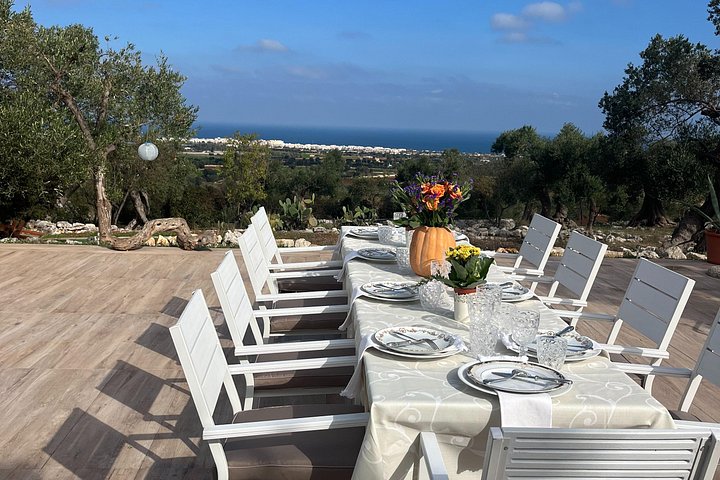
It pairs well with the olive oil tasting, the Primitivo wine tasting and the orecchiette class if you want a full day of Apulian food. The Itria Valley and the countryside around Bari are traditional dairy areas, and many farms and masserie also offer lunch, so you can extend your visit into a meal.
Confirm the location and meeting point, as dairies are often outside towns and may require a car, and check the language of the instruction and whether a tasting meal is included. Book ahead for weekends and in July and August, when classes tend to fill up.
Because the experience is short and sociable, it works well at the start of a trip as an ice-breaker for groups or families who have not travelled together before. Ask the maker to show you the differences between mozzarella, scamorza and burrata, and about the history of the dairy and the breeds of cattle or buffalo whose milk is used.
Take photographs of the process, then eat the cheese as soon as it is ready, when the texture is at its best. If you buy cheese to take away, ask how long it keeps, since fresh mozzarella is best eaten within a day or two.
What to expect
The experience
A hands-on session at a dairy, learning to stretch and shape mozzarella and tasting the results with local accompaniments.
Best time
Morning, so you can eat the cheese fresh for lunch.
How long
Around two hours.
Tips
Wear closed shoes and clothes that can get splashed, follow the maker's guidance with hot curd, mention dietary needs and confirm the meeting point because dairies are often outside towns.
Quick picks
- Best for
- Food lovers and families who want a hands-on taste of Puglia.
- Families
- Excellent for children, who enjoy shaping the cheese and eating it warm.
- Couples
- A playful, delicious activity followed by a long lunch.
- Pair with
- Olive oil tasting, Primitivo wine tasting and the orecchiette class.
- Time needed
- Allow half a day including travel.
Good questions
Is it suitable for children?+
Yes, the work is simple and hands-on, though hot water means they should follow the maker's instructions closely.
Do we eat what we make?+
Yes, the session usually ends with a tasting of the fresh cheese with bread and local accompaniments.
Is it vegetarian?+
Mozzarella is generally treated as vegetarian-friendly, but the rennet used can vary, so ask if this matters to you.
What if I am lactose intolerant?+
Fresh cheese contains lactose, so check with the host before booking.
Do I need a car?+
Dairies are often outside towns, so check the meeting point and consider transport when you book.