Puglia is one of Italy's great food regions, and much of what makes it special is simple: excellent ingredients, local pride and cooking that has not been fussed over. The region is a major producer of olive oil, durum wheat, vegetables and wine, and its cuisine is often called cucina povera, the cooking of the poor, because it makes the most of humble things. This guide explains what to eat, what to drink and how to organise a food-focused trip around Bari and the Itria Valley.
Orecchiette, the signature pasta
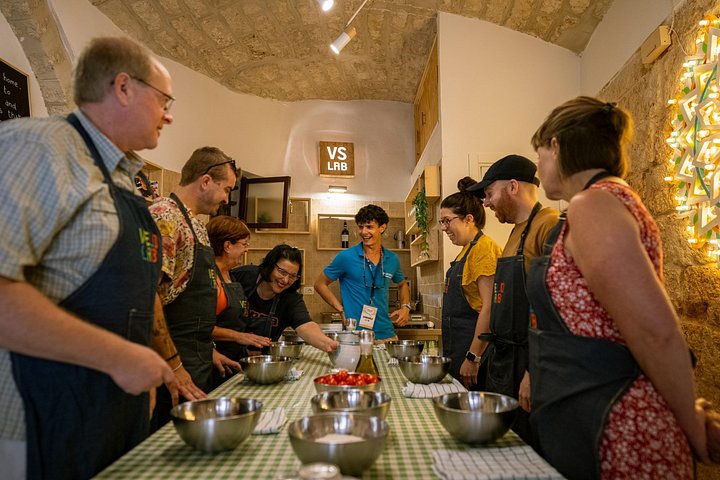
These small ear-shaped pasta shells are made from semolina and water, shaped by thumb, and served with a wide range of sauces. The classic is orecchiette con cime di rapa, with turnip tops, garlic, chilli and anchovy, but you will also see them with tomato and ricotta forte, meat ragù or fresh seafood. In Bari Vecchia you can still watch women shaping them by hand at tables outside their homes on Strada Arco Basso, and a hands-on class is the best way to learn the movement yourself.
Focaccia and street food
Focaccia barese is made with durum flour, potato and olive oil, topped with tomatoes and olives, and it is eaten at any hour, often fresh from the oven. Panzerotti, small fried turnovers filled with tomato and mozzarella, are the classic snack, and sgagliozze, fried polenta squares, appear at street stalls. The bakeries of the old town sell taralli, crunchy ring-shaped biscuits flavoured with fennel, pepper or wine, which are made for nibbling with a drink. Altamura bread, inland, is famous for its crust and keeps for days.
Seafood and raw fish
Along the coast, fish is the star. Bari and Monopoli are known for crudo, raw seafood such as sea urchins, prawns and tiny octopus served with olive oil and lemon, and for grilled catch of the day. In Polignano and Monopoli harbours, you can eat within sight of the boats that landed the fish. Mussels and rice with potatoes, tiella, is a baked home-style dish that appears in many family trattorias. If a restaurant has a short menu that depends on the day's catch, that is usually a good sign.
Meat, cheese and the Itria Valley
Inland, the food becomes more rural. Cisternino and Martina Franca are known for fornello pronto, the butchers who grill your chosen meat over coals while you wait, and for capocollo, a cured pork speciality. Burrata and stracciatella, creamy cheeses from the Andria area, are served very fresh, and local ricotta and caciocavallo appear in many dishes. Vegetables, especially fava beans, wild chicory and aubergines, are the base of many classic recipes.
Olive oil
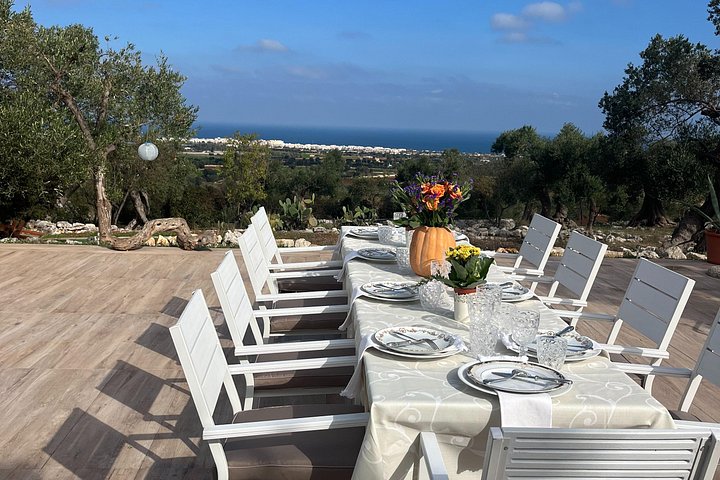
Puglia produces a large share of Italy's olive oil, and the ancient trees around Ostuni and Monopoli are some of the oldest in the country. A tasting at an olive grove or mill shows how colour, aroma and bitterness differ, and a good oil will have a fresh, peppery finish. Buy bottles in tins or dark glass, check the harvest year, and use them within a year. A tasting is also a good way to see a masseria and to learn how the harvest shapes the local calendar.
Wine
The region has been transformed by its winemakers. Primitivo and Negroamaro give rich, warm reds, while the Itria Valley produces crisp whites such as the Locorotondo and Martina Franca wines, and rosé is excellent in summer. Many cellars offer tastings, often with a light lunch, and small bars in Locorotondo and Ostuni serve local wine by the glass. Ask for the house wine in a trattoria, because it is often a good local one at a fair price.
How meals work
Lunch usually starts around one and can stretch for two hours. Dinner starts late, often after eight, and many restaurants close for a day or more each week, so check before you go, especially outside summer. A coperto, a small cover charge, is common and is normal in Italy. Booking is wise on weekends and in summer, but you can often walk in at lunch. Tipping is modest, and rounding up the bill is welcome.
Putting it together
For a food-focused trip, spend a morning in Bari Vecchia for focaccia and orecchiette, take a class in the afternoon, then a day on the coast for seafood, and a day in the Itria Valley for olive oil, wine and grilled meats. Leave room for pastries and gelato, because the best moments are often a small bakery or a bar in a piazza at the end of the day.