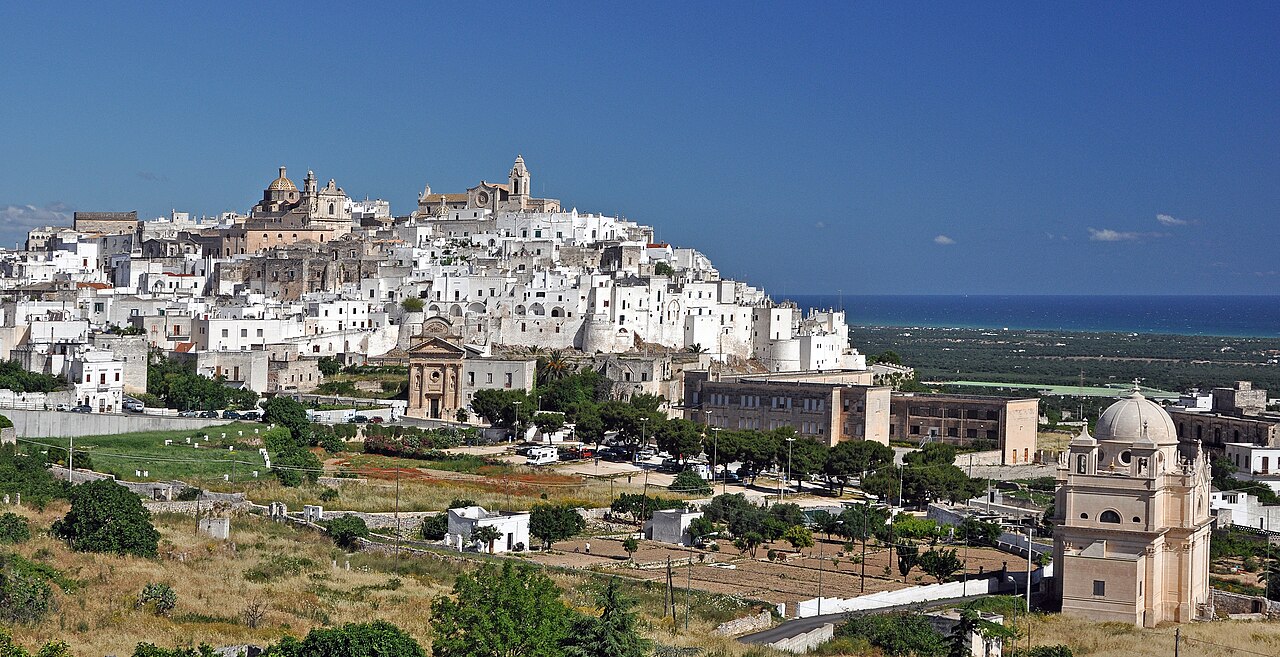
Altamura is a historic town on the high Murgia plateau, roughly 45 kilometres from Bari and a short hop from Matera, and it is famous for two things: a magnificent cathedral and its bread. The Cattedrale di Santa Maria Assunta was founded in the early 13th century under Emperor Frederick II, and its facade is a masterpiece of Apulian Romanesque, with a large rose window, sculpted lions and a deeply carved portal that tells biblical stories in stone. The old town around it is a maze of narrow lanes with stone steps, arched passages and tiny courtyards called claustri, which are small enclosed squares where neighbours once gathered. It is a quieter, more local place than the better-known towns on the coast, and it makes a rewarding half-day stop for visitors who like history, architecture and food.
The cathedral is the centrepiece. Look first at the portal, where carved scenes of the Last Judgement, the Nativity and saints surround the doorway, and then at the rose window above it, which gives the facade its character. Inside, the nave is tall and plain, and there are fine details in the choir and chapels.
The cathedral is a working church, so dress modestly and keep your voice down during services. Around the building the old town is best explored slowly, following the winding lanes and looking out for the claustri, which are among the most distinctive features of Altamura.
Bread is the second reason to come. Altamura bread is made from local durum wheat semolina and is protected by a European designation of origin, which means it must be produced in the area to strict rules. It has a thick, crunchy crust and a soft, yellow crumb that stays fresh for days, and bakers still bake it in wood-fired ovens.
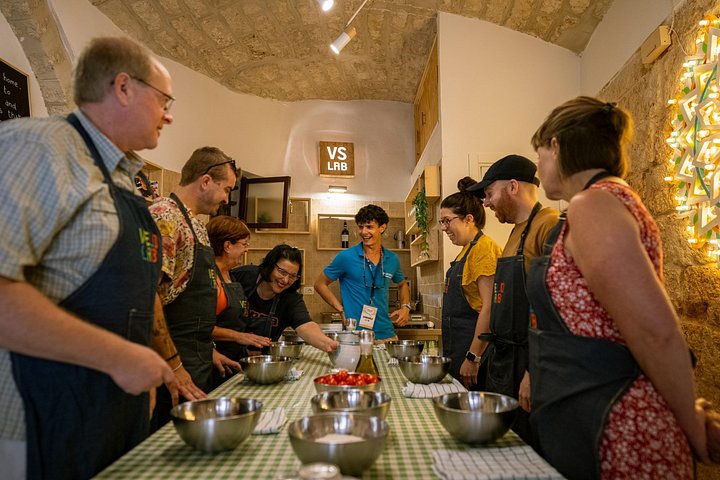
Several traditional bakeries in the old town sell it fresh, along with focaccia, taralli and other baked treats, and a visit is not complete without tasting a slice with olive oil or tomatoes. Some bakers also run workshops where you can watch the dough being shaped and baked.
The area has a remarkable prehistoric side as well. The Altamura Man, a well-preserved Neanderthal skeleton, was found in a nearby cave, and the story is told in local museums and exhibits, though the cave itself is not open to ordinary visitors. Altamura is easy to reach by regional rail or bus from Bari in around an hour, and it lies on the road to Matera, so many visitors combine the two in a day trip. Allow two to three hours for the cathedral, the lanes and the bakeries.
Mornings are best for fresh bread, which can sell out, and weekday visits are the calmest. Wear comfortable shoes for the stone steps. If you have time, ask a baker to show you how the loaves are shaped and marked, since each bakery has its own signature touches, and bring a bag so you can carry bread, taralli and local olive oil back to your hotel. The town is also a good place to try fresh local cheeses and cured meats in a simple trattoria.
What to expect
The experience
A self-guided walk through the old town to the cathedral and its carved portal, with stops at traditional bakeries for fresh bread.
Best time
Morning, for fresh bread and quiet lanes, ideally on a weekday.
How long
Two to three hours, with extra time if you join a bread workshop.
Tips
Arrive early because the best bread sells out, dress modestly for the cathedral and wear shoes with grip for the stone steps.
Quick picks
- Best for
- Food lovers and history fans looking for an authentic stop between Bari and Matera.
- Families
- Children usually enjoy the bakeries and the hidden courtyards, and distances are short.
- Couples
- A relaxed morning of lanes, cathedral and warm bread, followed by lunch with local olive oil.
- Pair with
- Matera, Castel del Monte and the Grotte di Castellana.
- Time needed
- Two to three hours, or half a day combined with Matera.
Good questions
Why is Altamura bread so famous?+
It is made from local durum wheat semolina with a natural starter and baked in wood-fired ovens, giving it a crunchy crust and a soft crumb that keeps well. It carries a protected designation of origin.
What is special about the cathedral?+
It dates to the early 13th century under Frederick II and has a richly carved portal and a large rose window. It is one of the notable Romanesque churches in Puglia.
Is Altamura easy to combine with Matera?+
Yes, the towns are close, and many visitors stop in Altamura on the way to or from Matera. Trains and buses link Bari, Altamura and Matera, and a car makes the day easier.
Can I see the Altamura Man?+
The skeleton remains in its cave, which is not open to ordinary visitors. Local museums and exhibits explain the discovery, so check what is open during your visit.
Where should I buy bread?+
Traditional bakeries in the old town sell it fresh in the morning, and some offer workshops. Arrive early, as popular loaves go quickly.