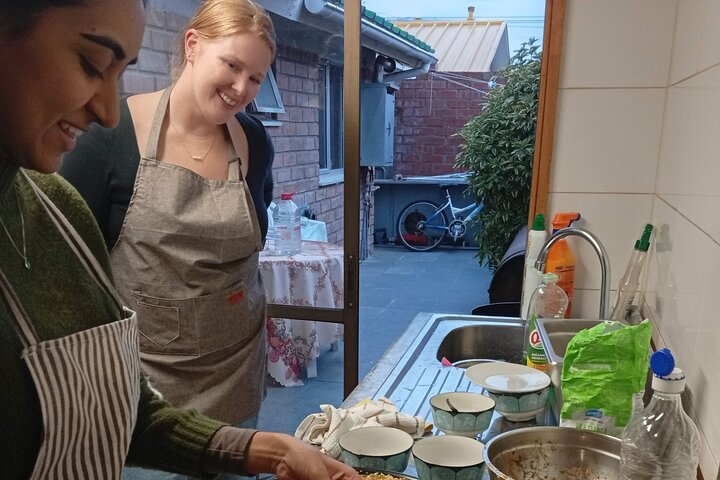
A cooking class is one of the friendliest ways to understand Chilean food, and in Punta Arenas the experience comes with a local twist. Over about two and a half hours, a host guides small groups through the preparation of traditional dishes, using fresh ingredients and techniques passed down in family kitchens. Menus vary, but classic Chilean elements such as empanadas, pebre salsa, ceviche-style seafood, pastel de choclo and a pisco sour are common, and Patagonian touches such as lamb or king crab may appear depending on the day. You roll up your sleeves, chop, mix and fold, while the instructor explains the cultural background of each recipe, the influence of immigrants and the logic of the pantry in a cold, remote region. Then everyone sits down to enjoy the meal together with a selection of Chilean wine, which is part of the experience. It suits solo travellers, couples and small groups, and it provides a lively indoor activity when the wind keeps you off the water. Vegetarians should mention dietary needs in advance, as the menu may centre on seafood and meat.
Chile's food culture is more varied than many visitors expect, and a class opens the door. The country's long coastline gives seafood a starring role, while the central valleys supply fruit, vegetables and wine. In the far south, sheep farming and cold seas shape the menu, with roast lamb, hearty stews, king crab and berries from the calafate bush. Learning to make a simple pebre, a chunky fresh salsa, or to fold an empanada teaches you what to look for in restaurants for the rest of your trip.Wine is the other half of the lesson.
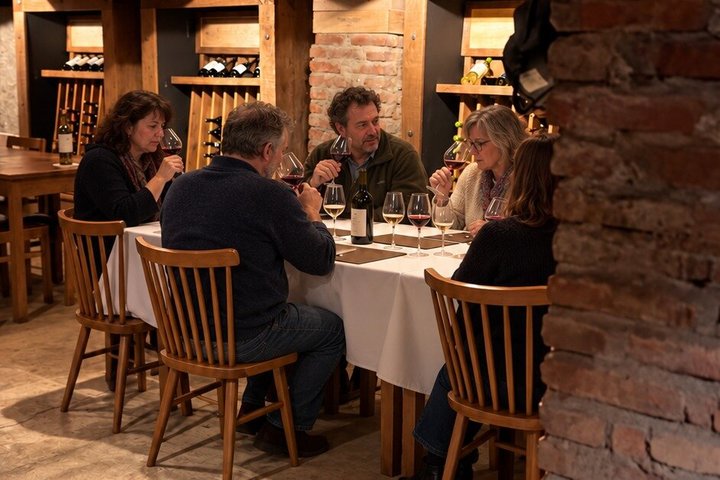
Chile is a major wine producer, with strong reds such as carmenere and cabernet sauvignon, crisp whites from cooler regions and growing interest in lesser-known varieties. During the class and meal, the host usually explains how to pair each dish with a suitable wine, and you can ask questions about regions and styles. If you do not drink alcohol, ask whether soft alternatives can be provided.Practical points are easy. Wear comfortable clothes, tie back long hair and tell the host about allergies or dietary restrictions when you book.
The class takes place indoors, so it is not affected by the weather, and it is a good choice for evenings when daylight is long but the wind is strong. Group sizes tend to be small, which encourages conversation. You will usually receive the recipes to take home, a practical souvenir that brings Patagonia into your own kitchen. Book in advance in peak season, as places are limited.A few additional ideas help you get the most from the evening.
Arrive with questions about regional ingredients and ask the host for restaurant recommendations in town, since local cooks are generous with tips. Pace yourself on the wine, particularly if you have an early start for a boat trip or a long day tour the next day. Consider booking the class on the evening before a rest day or after a long outing, when a warm kitchen and good company feel especially welcome. Finally, take photographs of the finished dishes, which make a lovely record of the trip.
What to expect
The experience
A small-group, hands-on class where you prepare Chilean dishes, then share the meal with Chilean wine.
Best time
Evenings or wet afternoons, any time of year.
How long
About two and a half hours.
Tips
Tell the host about dietary needs, wear comfortable clothes and arrive hungry.
Quick picks
- Best for
- Food lovers and anyone wanting an indoor, social activity.
- Families
- Fun for older children, though wine is for adults.
- Couples
- A relaxed, hands-on date night.
- Pair with
- A city tour in the morning.
- Time needed
- Under three hours.
Good questions
What will I cook?+
Menus vary but usually include classic Chilean dishes such as empanadas, pebre and a seafood or meat main, with a pisco sour or similar.
Is wine included?+
Yes, Chilean wine is part of the experience. Ask about non-alcoholic options if needed.
Can vegetarians join?+
Often yes with notice. Tell the host when you book.
Do I get the recipes?+
Hosts commonly share recipes so you can cook at home.
How long is the class?+
About two and a half hours.