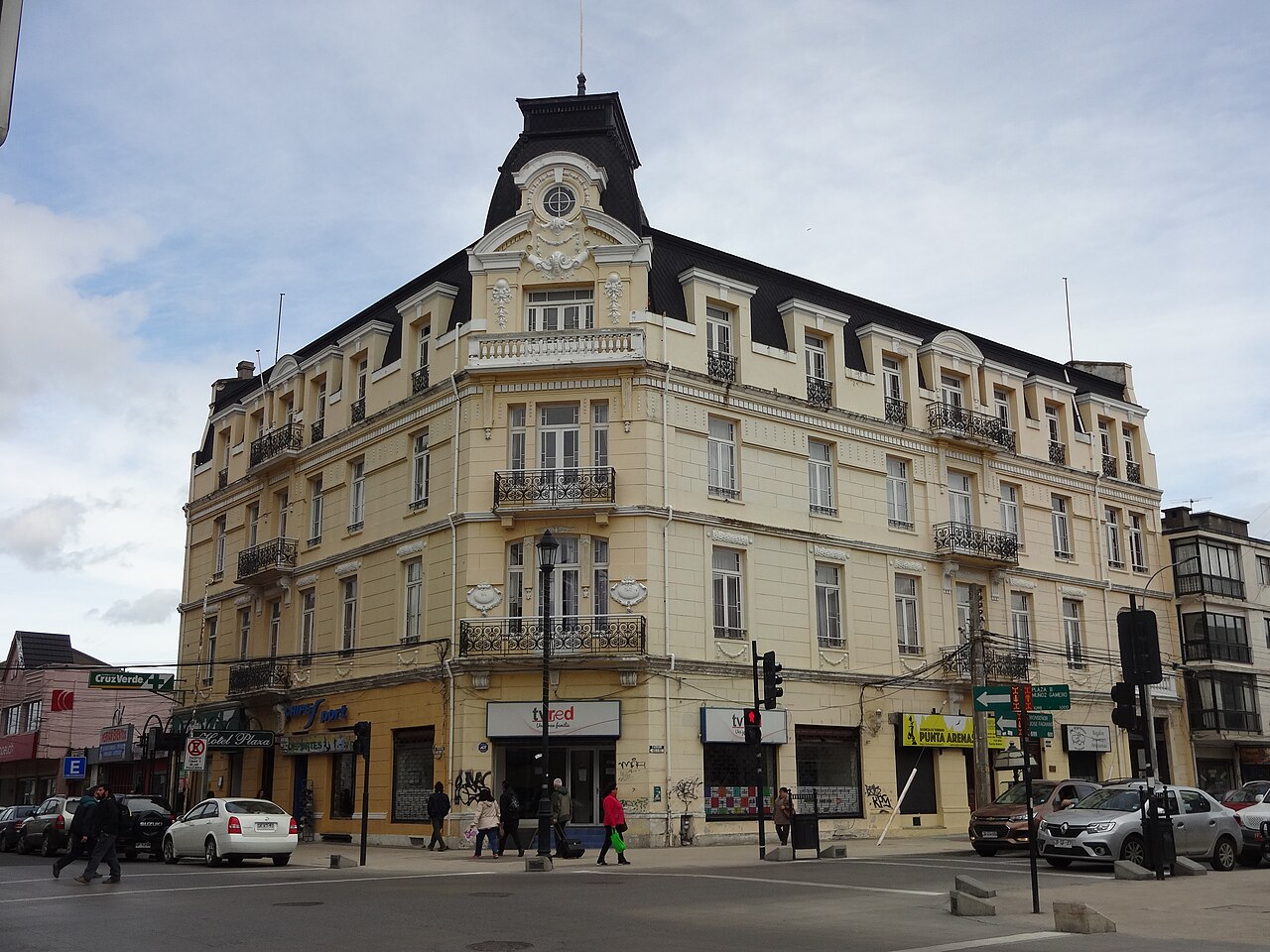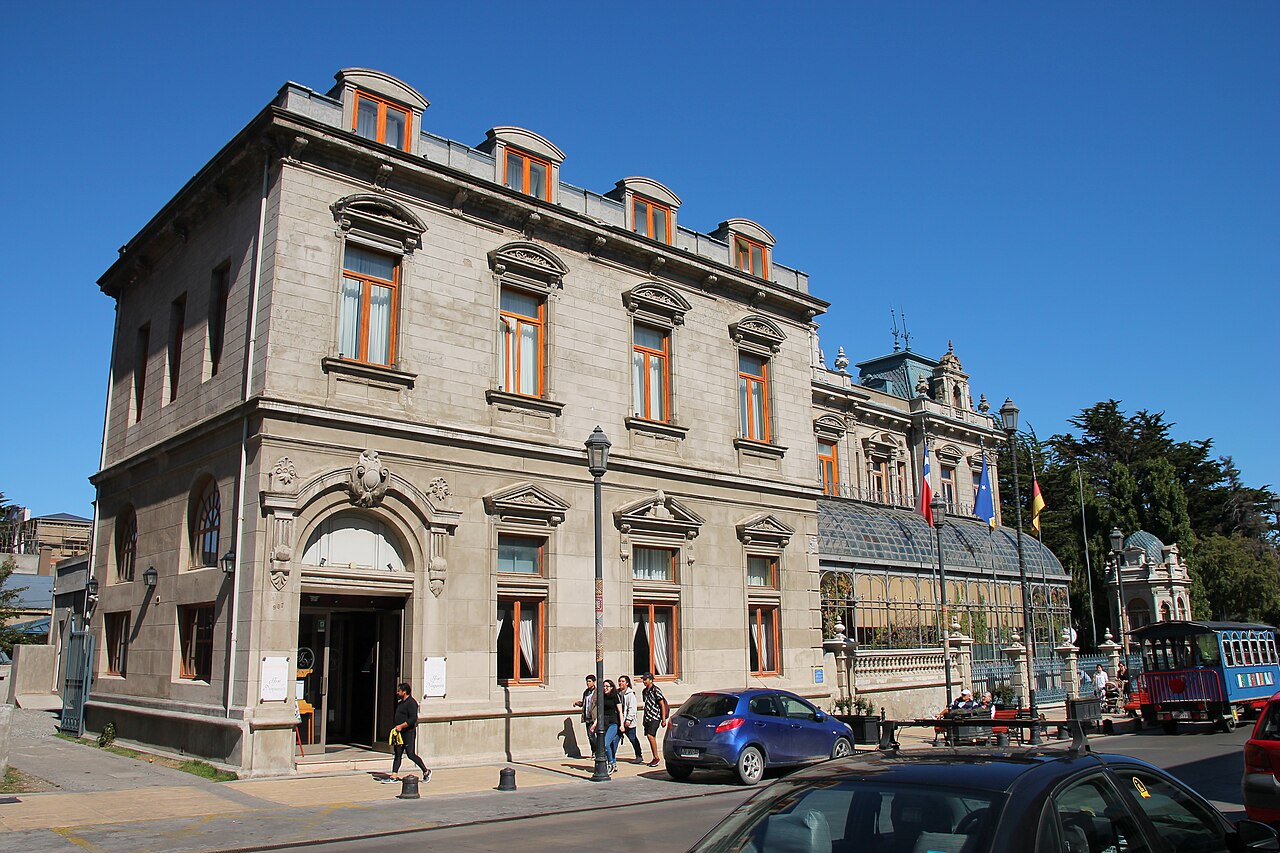
Punta Arenas is a city built on wool, coal, shipping and the Strait of Magellan, and a guided half-day tour is the most efficient way to see how those forces shaped it. The route typically starts at Plaza Munoz Gamero, the leafy main square lined with mansions of the nineteenth-century sheep barons, then moves on to the cemetery with its cypress avenues and ornate tombs, the waterfront and a viewpoint such as Cerro de la Cruz. A good guide explains the city's boom years, when ships rounding Cape Horn stopped for supplies and the pioneers who made fortunes built palaces with imported marble and European furnishings. You will hear about the indigenous peoples of the region, the Croatian, British, Spanish and German immigrants who settled here, and the way the opening of the Panama Canal ended the city's golden age. The tour usually lasts about three hours and is run in a minibus with short walks, which makes it easy for all ages and a useful first-day orientation if you have just arrived. It is also a sensible option when weather prevents boat trips. Tours are available in several languages, so ask when you book.
The highlights tell a story. On the plaza, the monument to Ferdinand Magellan stands at the centre, with a bronze figure of an indigenous man at the base whose toe is rubbed by visitors for luck, a tradition said to guarantee a return to Patagonia. Around the square you see the cathedral, the former mansion of Sara Braun, now partly a hotel, and the neoclassical buildings that housed the great trading houses.
Guides explain the economics of the wool trade, with its estancias stretching to Tierra del Fuego and its dependence on British capital and immigrant labour.
The cemetery is a highlight in its own right. It is neatly laid out with clipped cypress hedges, family mausoleums of marble and granite, and monuments to the various communities who settled here. Guides point out the memorial to the Selk'nam people and the stories of famous residents. A visit to the Regional Museum in the Braun-Menendez mansion is sometimes included or can be added separately, offering a glimpse into the lavish interiors of the era.
The waterfront walk, where the strait stretches out before you, helps you imagine the sailing ships and steamers that once crowded the harbour.Practicalities are simple. The tour is easy walking, so comfortable shoes and a windproof jacket suffice. Check whether museum entry fees are included, as they may be extra, and confirm the starting point and language. If you are on a cruise, make sure the schedule allows time to return to the port, and consider a combined tour with the Magallanes reserve or Fuerte Bulnes if you have more hours.
For independent travellers, the same sights can be seen on foot in a day, but a guide adds stories that signs do not.Photographers should bring a camera for the colourful corrugated-metal houses, the sweeping strait views and the contrast between grand stone mansions and modest wooden homes. Ask the guide about the best times of day for light, and about places to eat afterwards, since the plaza area has many cafes and seafood restaurants.
What to expect
The experience
A guided half-day by minibus and on foot through the plaza, the cemetery, the waterfront and a viewpoint.
Best time
Any time of year; mornings are usually calmer and clearer.
How long
About three hours.
Tips
Wear comfortable shoes and a windproof layer, and ask whether museum entry is included.
Quick picks
- Best for
- First-day orientation and a quick introduction to the city's story.
- Families
- Short, easy and varied, which suits most ages.
- Couples
- A relaxed way to see the city's grand architecture.
- Pair with
- The Regional Museum or a coffee on the plaza.
- Time needed
- Half a day.
Good questions
What does the city tour include?+
Typically the main plaza, the cemetery, the waterfront and a viewpoint, with commentary on the city's history. Exact stops vary by operator.
How long is the tour?+
About three hours.
Is it good for rainy days?+
Yes. Much of it is by vehicle, and it is a sensible fallback when boat trips are cancelled.
Are entry fees included?+
Museum entry may cost extra. Check when you book.
Can I do it on my own?+
Yes. The sights are close together, but a guide adds depth and context.