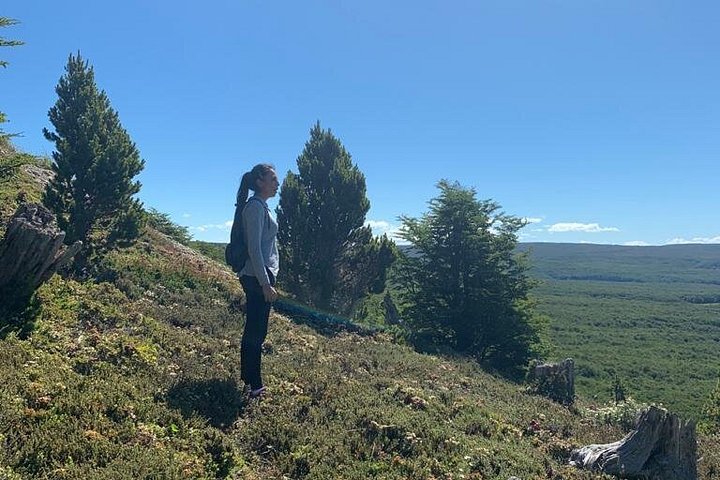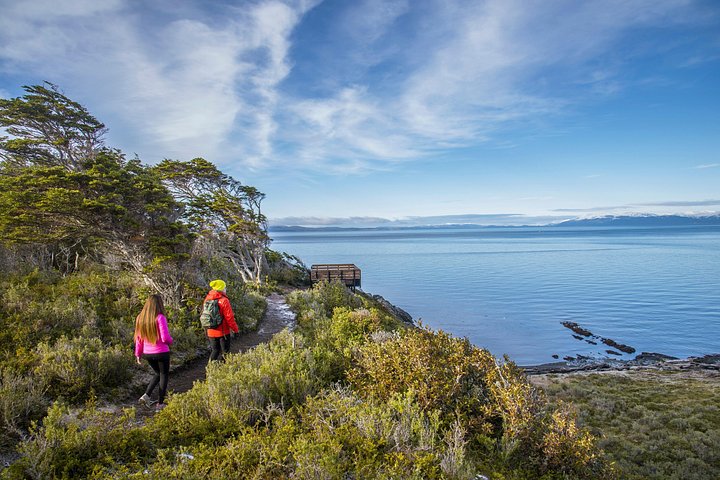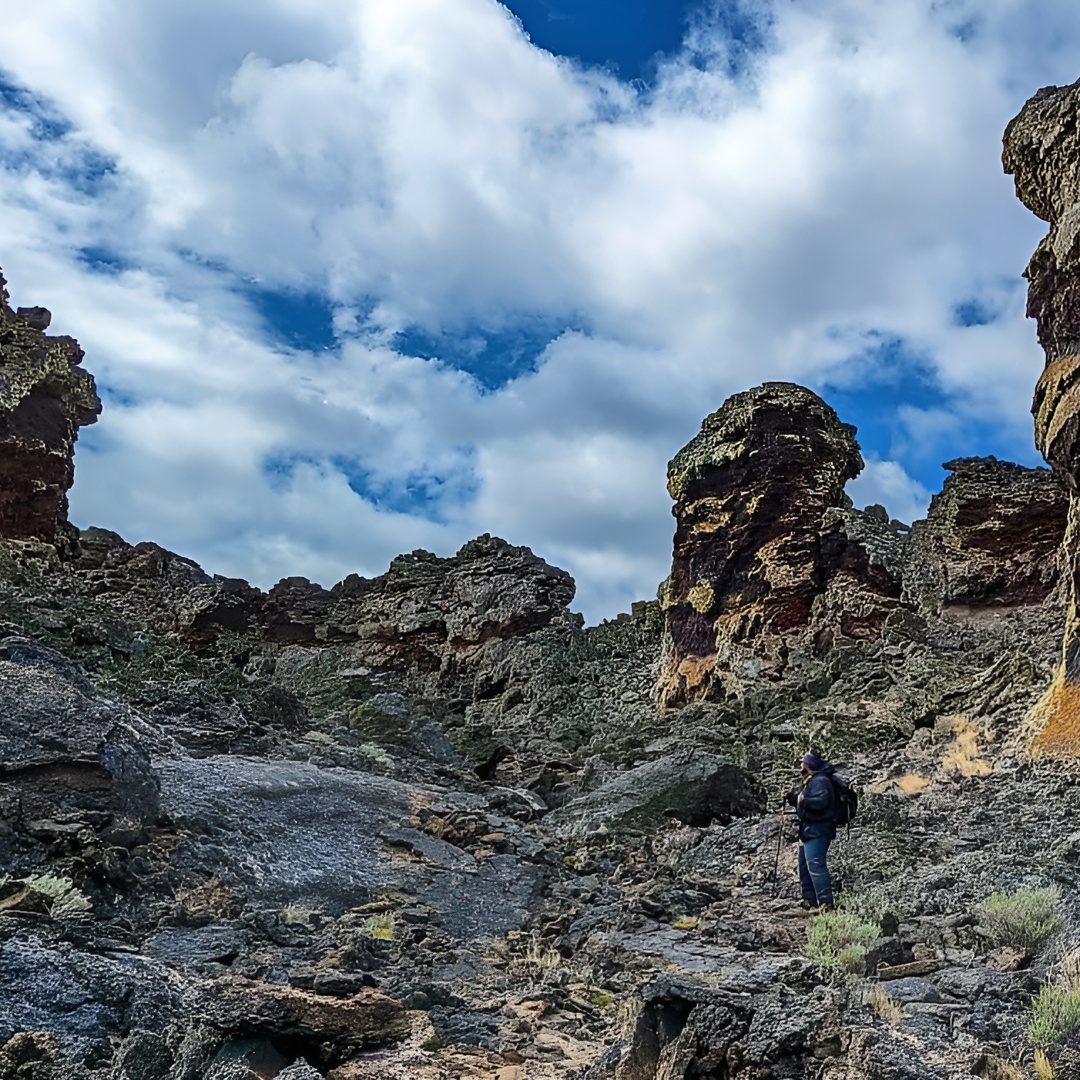
Pali Aike National Park lies northeast of Punta Arenas, close to the border with Argentina, and it protects one of the strangest landscapes in Chilean Patagonia. The land is a flat steppe broken by ancient volcanic cones, black lava fields and craters, and tucked among the rocks are caves where archaeologists have found evidence of human presence stretching back many thousands of years, along with the remains of extinct animals such as the giant sloth and the native horse. A full-day tour from the city drives across the pampas, passing sheep farms and wide skies, and then explores the park's trails, which lead to the crater of Pali Aike, lava-tube caves and viewpoints over the volcanic plain. Guides explain the geology and the archaeology, including the story of the people who hunted here at the end of the ice age. Guanacos, rheas, foxes and raptors are commonly seen, and the sense of space is overwhelming. This is a good choice for travellers who have done the penguins and the park and want something quieter and stranger. The day is long, the terrain open, and the wind can be fierce.
The caves are the human heart of the park. Fell Cave and Pali Aike Cave, explored by researchers in the twentieth century, produced some of the earliest evidence of occupation in southern South America, and the discoveries helped reshape ideas about how people spread across the continent. Visitors can walk to cave mouths and read interpretive signs, although some caves may be closed to protect fragile deposits. The surrounding lava fields are rough and jagged, so stay on the paths and wear sturdy shoes.
Nature adds to the interest. The volcanic soil supports tough steppe grasses and low shrubs, and wildlife is easy to spot in the open terrain. Lagoons attract waterbirds, and the clear air makes photography rewarding, especially in the golden light of late afternoon. Weather can be extreme, with strong wind, sudden showers and intense sun, so dress in layers and carry water. There is little shelter within the park, and facilities are basic. Some tours include lunch or a picnic, so check what is provided.
Because the park is far from other attractions, a full-day tour is the most practical way to see it. Roads are mostly unpaved in the final stretch, and a private vehicle with a guide removes the stress of navigation. Carry your passport in case of border checks nearby, and confirm entry fees, which may be extra. The itinerary and duration can vary, so ask the operator about the route and the walking involved. If you enjoy archaeology, geology or simply emptiness, Pali Aike repays the long drive.
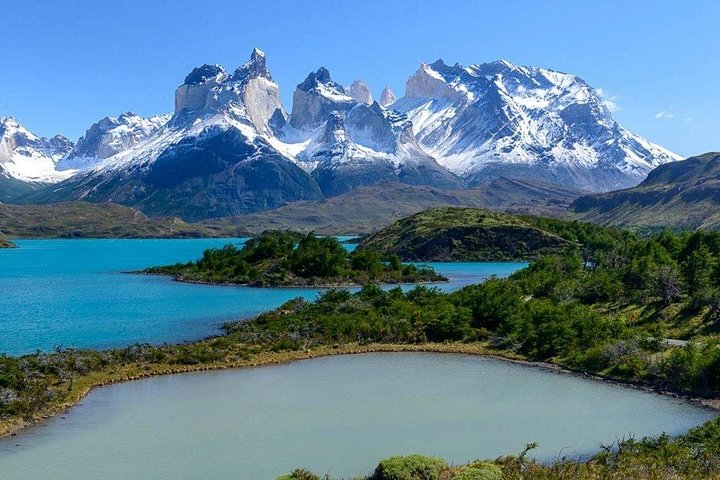
If your time is short and you prefer high-impact scenery, you might choose the Torres del Paine day trip or a boat excursion instead.Finally, think about the season and the light. In summer the long daylight hours allow generous time at the park, while in cooler months the days are shorter and conditions harsher, so check what the operator can offer. Pack a thermos, sun protection and a spare layer, and allow yourself to enjoy the silence, which is a feature of the place rather than a gap in the programme.
What to expect
The experience
A guided full-day drive across the steppe to the volcanic national park, with walks to craters, lava fields and cave sites.
Best time
Summer for longer days, though wind and sun are strong. Late afternoon light is excellent.
How long
A full day.
Tips
Wear sturdy shoes, carry water and layers, and confirm lunch and entry fee arrangements.
Quick picks
- Best for
- Geology and archaeology fans who want a quieter alternative.
- Families
- A long drive, so better for older children who like exploring.
- Couples
- Open space and big skies.
- Pair with
- A quiet day in the city.
- Time needed
- A full day.
Good questions
What is special about Pali Aike?+
It combines volcanic craters and lava fields with caves that yielded early evidence of human life in the far south.
Can I go inside the caves?+
Access varies. Some caves are closed to protect them, and the guide will explain what is open.
How far is the park?+
It lies northeast of Punta Arenas near the Argentine border, a long drive across the steppe.
What wildlife is there?+
Guanacos, rheas, foxes and birds of prey are commonly seen.
Is the entrance fee included?+
It may be paid separately. Check with the operator.