Many visitors spend a week in Punta Cana and never leave the resort grounds, which is a pity because the culture beyond the gate is warm, flavorful and easy to reach. This guide shows how to add food, drink and local life to a beach holiday without giving up any comfort, with a few dishes to look out for and some low-effort tours that make it easy.
Start with the plate
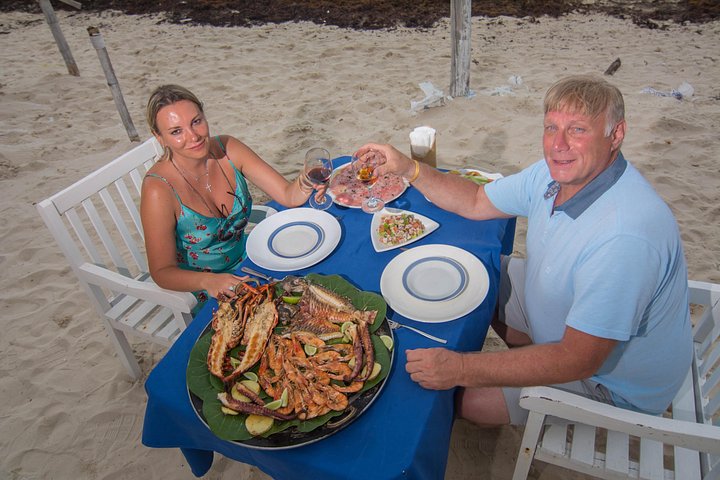
Dominican food is built on rice, beans and meat, with sofrito, garlic and sour orange giving the flavor. The national lunch is la bandera, a plate of white rice, red beans and stewed chicken or beef, usually with a side salad and fried green plantains. Breakfast often brings mangú, mashed green plantain topped with pickled red onions and served with fried cheese, salami and eggs. Sancocho, a thick stew of meats and root vegetables, is the dish people cook for celebrations. Seafood is excellent along the coast, with grilled fish, shrimp in coconut sauce and lobster common in the fishing villages. Snacks include empanadas, yaniqueques, chicharrón and fresh fruit from roadside stalls.
Take a food tour
A guided half-day food tour is the quickest way to try many dishes in one outing. A local guide takes you to small restaurants and stalls, explains each dish and shows how Taíno, African and Spanish influences come together. It is not a formal meal, so expect plenty of small tastings, and tell the operator about any allergies. The tour suits curious eaters, couples and families with older children.
Learn about rum
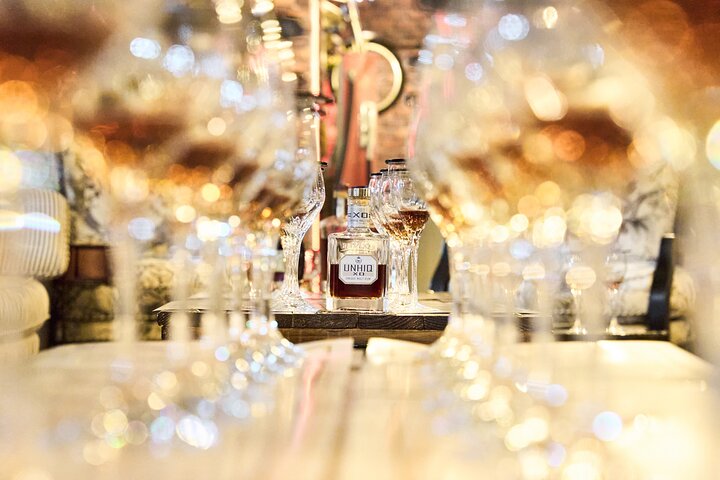
The Dominican Republic is one of the great rum producers, and a guided tasting teaches you what separates a young, light rum from a dark, aged one. A session with food pairings, such as chocolate, cheese and dried fruit, brings out notes of vanilla, caramel and spice, and a Taíno-inspired concept store adds local crafts. Bring identification, drink water between tastings and arrange transport home. Many visitors leave with a bottle or two, so check your airline and customs allowances.
Coffee, cacao and cigars
The countryside behind the coast produces coffee, cacao and tobacco, and several tours include a stop at a farm or workshop. You see how the beans are dried and roasted, taste fresh coffee and homemade chocolate, and sometimes watch a cigar being rolled by hand. ATV and buggy rides often include these tastings, and the cultural safari does so at a gentler pace. These stops are a good place to buy small gifts directly from the people who made them.
Meet the countryside
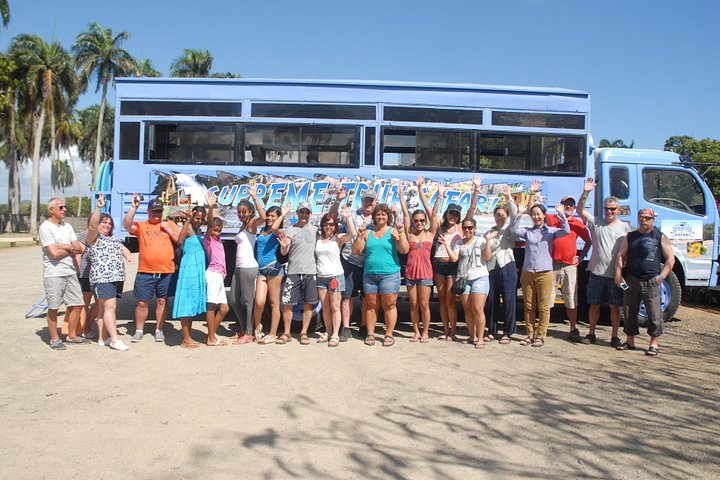
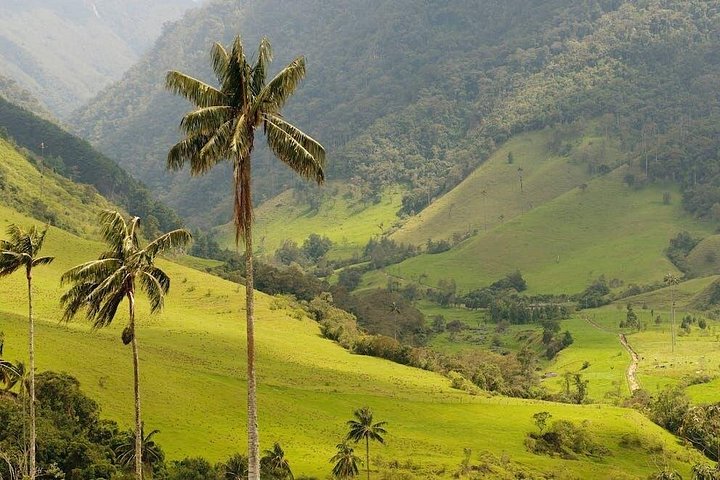
If you prefer walking to engines, a small-group walk in the Anamuya foothills takes you through farms, banana and cacao trees and river views, with time to talk to local families. The open-truck cultural safari covers more ground, with a family home visit, tastings and a traditional lunch. Both are slow and sociable, and they give a feel for daily life that you cannot get from a resort. Bring small bills for tips and purchases.
Add history and art
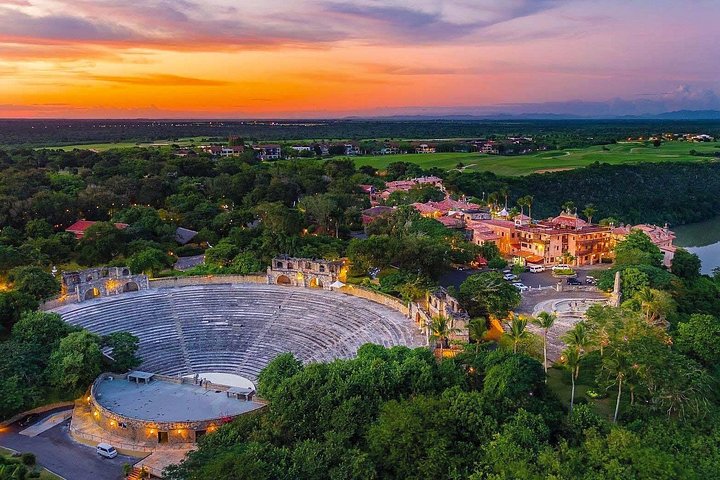
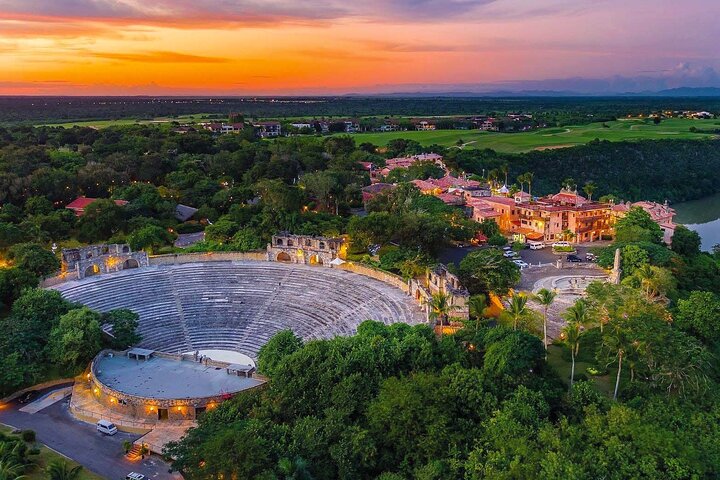
The Dominican Republic holds the oldest European settlement in the Americas, and Punta Cana makes it easy to taste some of that history. The Basilica of La Altagracia in Higüey is the country's most important pilgrimage site, and Altos de Chavón is a hilltop village built in the style of a Mediterranean town, with a cobbled square, galleries and an amphitheater. The Cave of Wonders near La Romana adds Taíno rock art, and a long day trip to Santo Domingo reaches the Colonial Zone, with the cathedral, the fortress and the palace of Columbus's son. Together these give a sense of the island's depth.
Eating out well
In Bávaro and Punta Cana Village, the best meals are often at small family restaurants and beachside shacks rather than the big hotel strip. Look for places that are busy with locals, ask what is fresh and order the catch of the day. Many resorts also have a Dominican night, which is worth attending. Drink bottled or filtered water, ask for juices made fresh and try a cup of local coffee after dinner. Tip as you would at home, and carry small bills.
Drinks to try
Besides rum, try mamajuana, a spiced mixture of rum, red wine, honey and herbs steeped in a bottle, often sold as a local tonic. Presidente, a cold lager, is the national beer. Fresh passion fruit, tamarind and soursop juices are worth ordering, and a cold coconut from a roadside stand is a simple pleasure on a hot day.
A simple plan
For a balanced week, add one food tour, one rum tasting and either a cultural safari or a farm walk to your beach days. Book the tastings for the afternoon, when the heat eases, and avoid scheduling them before an early excursion. Tell the operators about dietary needs, wear comfortable shoes and keep an open mind. You will return with a better understanding of the island, a few recipes to try at home and stories that go beyond the beach.