Queenstown is a year-round destination, and the right time to go depends on what you want from it. The town sits in an alpine basin on the edge of Lake Wakatipu, so the seasons are distinct and the weather can change in an hour. Summer is warm, bright and busy, autumn is golden, winter turns the town into a ski base and spring is a time of snowmelt, waterfalls and thinner crowds. None is a bad choice, but each rewards a different kind of visitor.
Summer: December to February
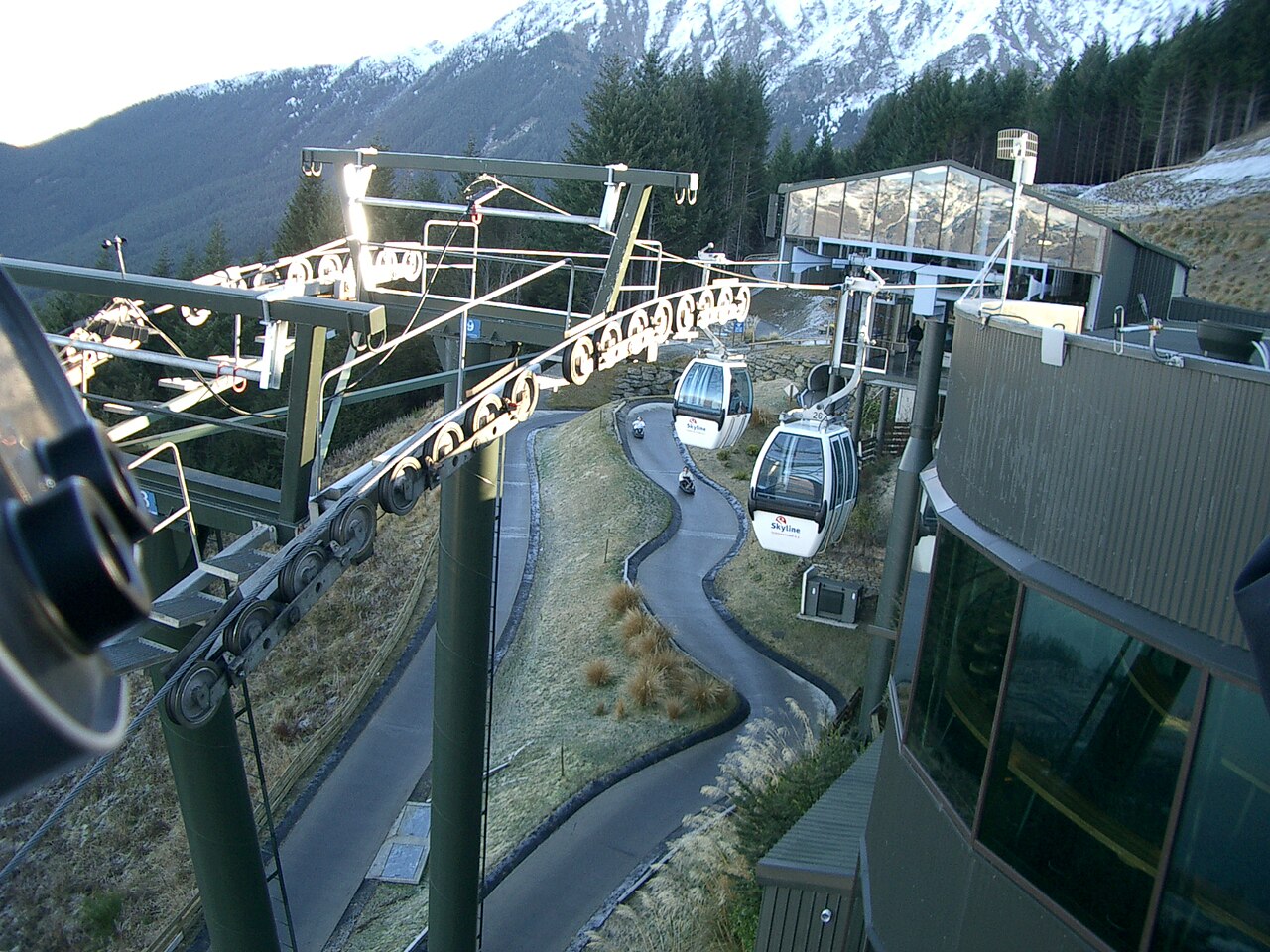
This is the peak season, with long days that stay light until late in the evening, warm sunshine and settled weather. Daytime temperatures are often in the low to mid twenties Celsius, and swimming in the lake is possible for the brave, since the water stays cold. Everything operates at full capacity, including the gondola, the jet boats, the bungy, the lake cruises and the hiking trails, and the Routeburn and other Great Walks are at their busiest. It is the best time for walking, cycling the river trails, picnicking at Glenorchy and taking a scenic flight. The trade-offs are crowds, higher prices and the need to book accommodation and popular activities well ahead, particularly around the school holidays and the new year. Sun protection is essential, as the alpine light is strong.
Autumn: March to May
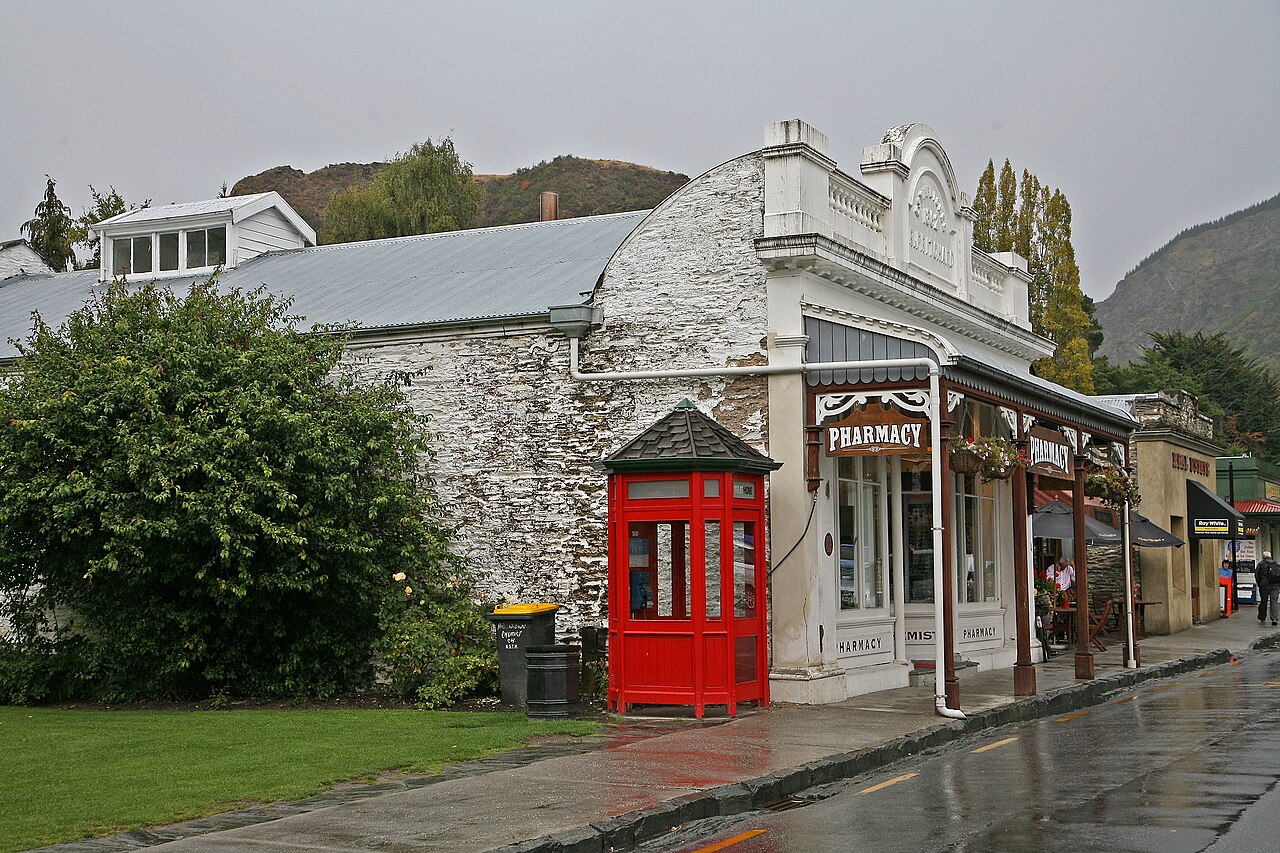
Many locals consider autumn the best season. The days are crisp and clear, the summer crowds thin out and the deciduous trees around Arrowtown, Lake Hayes and the Gibbston Valley turn gold and red, usually at their peak in April. Vineyards harvest in these months, so it is a beautiful time for a winery visit, and the light is wonderful for photography. Evenings become cool, so bring layers, and snow can appear on the high peaks by the end of the season. Activities mostly run as normal, and prices ease compared with the summer peak.
Winter: June to August
From June the town fills with skiers and snowboarders who come for Coronet Peak and The Remarkables, with Cardrona and Treble Cone within a drive towards Wanaka. Even if you do not ski, the snow-covered peaks above the lake are spectacular, and the town has a lively, festive atmosphere. Days are short and cold, with daytime temperatures often only a few degrees above freezing, and some roads, including the Milford Road, can close for snow or avalanche risk, so keep your plans flexible and carry chains if you drive. Accommodation fills quickly in the ski season, so reserve early. Winter is also a fine time for hot pools, mulled wine and the Ice Bar, and the gondola at sunset over a snowy landscape is memorable.
Spring: September to November
Spring is a season of contrasts. Snow remains on the mountains, the lower slopes turn green, rivers run high with meltwater and the waterfalls at Milford Sound and Glenorchy are impressive. The weather is changeable, with sunny days and sudden showers, but crowds are smaller and prices generally lower, particularly outside the school holidays. Late in the season the skifields may still be open at the start of spring, and the days lengthen quickly. Some walks at higher altitude can hold snow, so check conditions before heading out.
Choosing by interest
For hiking and the Great Walks, pick summer or early autumn. For autumn colour and wine, aim for April. For skiing, choose July and August, when conditions are usually most reliable. For the best balance of weather, crowds and cost, consider March or late October and November. For the fiords, rain is not a problem in any season, since it brings the waterfalls, but road closures are more likely in the colder months.
A note on crowds and costs
If you can choose, midweek visits are noticeably calmer than weekends, and the shoulder months either side of the peak seasons give the best balance of availability and value. Accommodation prices follow the same pattern, rising for the ski season and the summer holidays and easing in autumn and spring. Flights into Queenstown also fill up in those peak windows, so booking transport early is as important as booking the hotel.
Practical tips
Whatever the season, pack layers, because mountain weather shifts quickly. Book accommodation early for December to February and for the ski season. Keep a spare day in your plan for a weather delay, particularly if you have booked a skydive, a flight or a Milford Sound day trip. And remember that Queenstown is in the southern hemisphere, so the seasons are the opposite of those in the north.