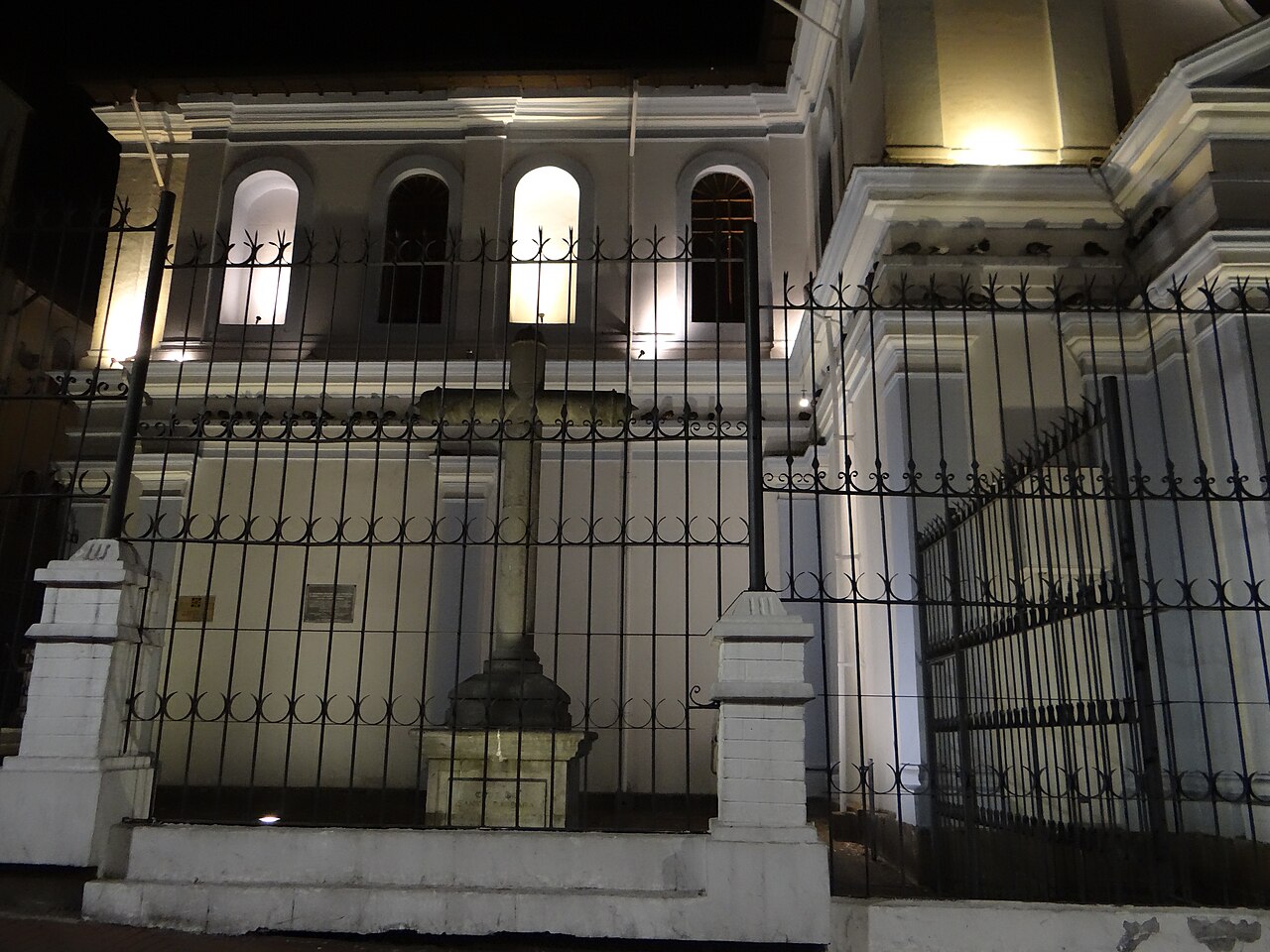
Quito is a high, narrow city strung along an Andean valley at around 2,850 metres, with a UNESCO-listed colonial centre at its heart and volcanoes on the horizon. It is easy to enjoy but it rewards a little planning, mostly because of the altitude and because the best experiences sit outside the centre. Here is how first-timers can structure a visit.
How many days
Three full days is the sweet spot. Spend one day in the Historic Centre, one on the TelefériQo and a city-orientation loop or the equator monument, and one on a day trip. Four or five days lets you add a second day trip, such as Cotopaxi and Otavalo, without rushing. If you are heading to the Galápagos or the Amazon, build in at least a day at altitude first.
Go slowly on day one
The altitude catches many visitors out. Drink water, eat lightly, skip heavy alcohol and keep your first day gentle, with a stroll through Plaza Grande and a long lunch rather than a climb. The TelefériQo, which rises to nearly 4,000 metres, is best saved for your second or third day once you have adjusted.
What to book ahead
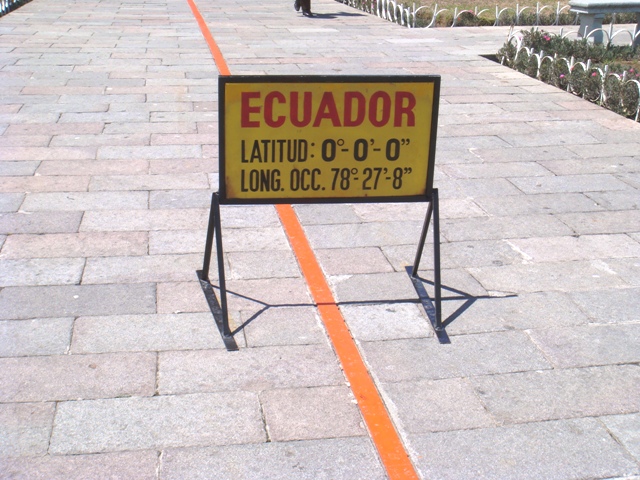
Day trips and guided tours are best booked a few days in advance, especially in the high season. The ones worth reserving are Cotopaxi, which is a full day by road from Quito, the Otavalo market trip, which is liveliest on Saturdays, and the Mindo cloud forest. A guided old town food walk is a great day-one choice, and the equator monument is easy to pair with Pululahua crater on a half-day tour. Churches, the TelefériQo and the Historic Centre can be done without booking, although tours that bundle them save time on transport.
Getting around
In the Old Town, walk. Streets are steep and cobbled, so wear comfortable shoes. For anywhere else, taxis and ride-hailing are inexpensive and the simplest option for the TelefériQo, Mitad del Mundo and the airport. The city also has a metro and a network of buses, but check current routes and the stations near your hotel before relying on them, and keep an eye on your belongings on crowded public transport. The international airport is outside the city in Tababela, so allow plenty of time for transfers.
Where the headline sights fit
The Historic Centre is the anchor: start at Plaza Grande, visit La Compañía de Jesús and walk to La Ronda for the evening. The Basílica del Voto Nacional, with its tower climb, is a short taxi ride away. The TelefériQo works best on a clear morning, because clouds gather around the summits later. Mitad del Mundo is a half day, and the Pululahua crater is often combined with it. Otavalo, Cotopaxi and Mindo are each a full day, so spread them over different days rather than stacking them.
Weather and seasons
Quito has a spring-like climate year round, with cool mornings, sunny middays and chilly evenings. The drier months, roughly June to September, are the easiest for volcano views, although mornings are generally clearer in any season. Bring layers, a rain jacket and sun protection, because ultraviolet levels are high at this altitude.
Staying safe
Quito is a busy capital, and the usual advice applies. Keep phones and cameras discreet in crowds, use official or app-based taxis at night, avoid walking on quiet streets after dark and carry only the cash you need. Ask your hotel about the current state of any neighbourhoods you plan to visit after dark.
Before you check availability
Confirm current opening hours for any church or attraction you want to visit, as hours vary by day and some sites close for services or holidays. In August 2026, for example, one entrance to Cotopaxi National Park was temporarily closed to vehicles for anniversary events while the rest of the park stayed open, and tour operators can tell you what applies to your date.
A sample plan
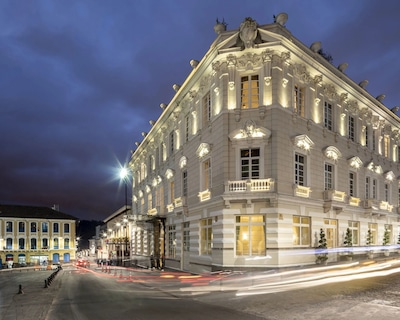
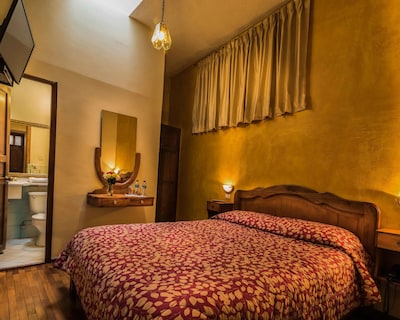
Day one: Historic Centre, La Compañía, a food walk and dinner on La Ronda. Day two: TelefériQo in the morning and the Basílica in the afternoon. Day three: Cotopaxi or Otavalo. Day four: Mitad del Mundo or Mindo. Pick a hotel in the Old Town if you want atmosphere and walkable sights, and see our where to stay guide for options across price points.