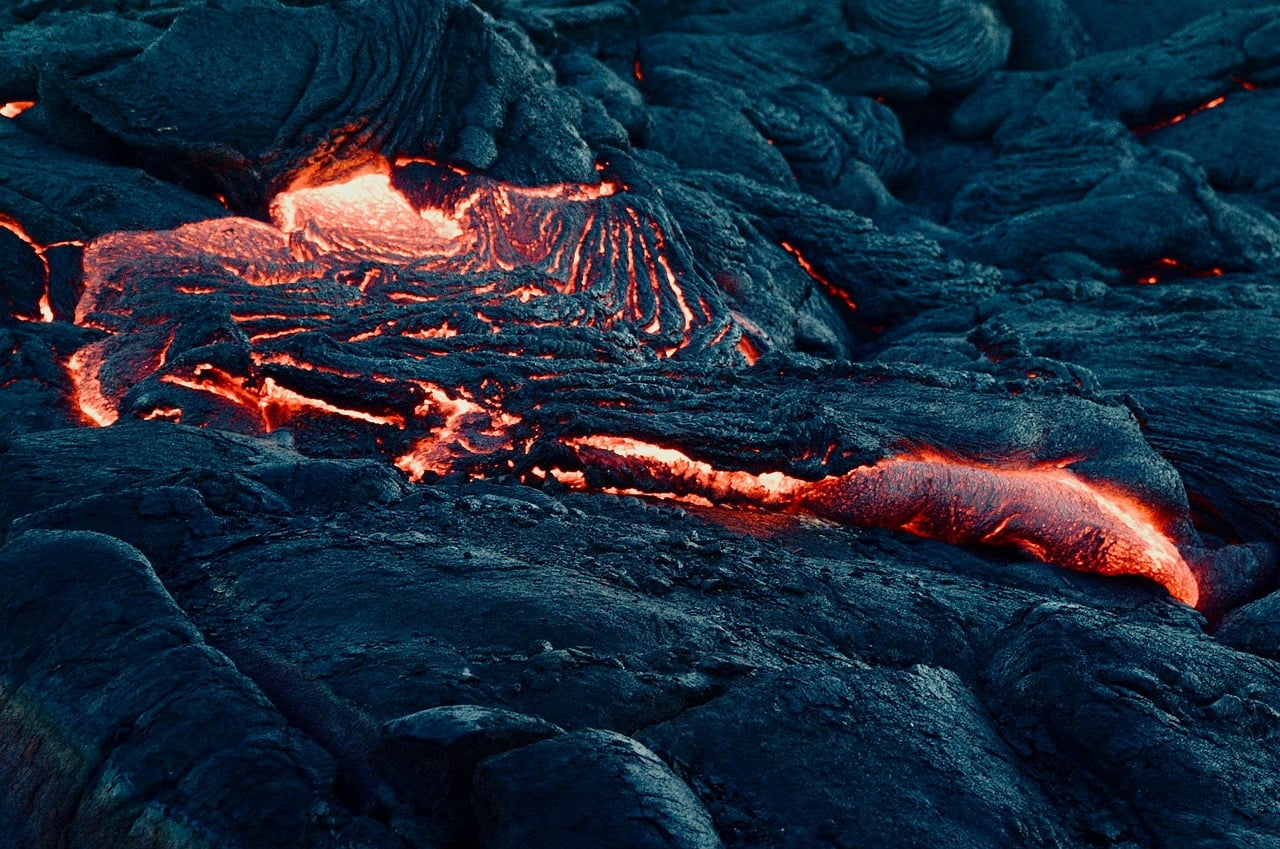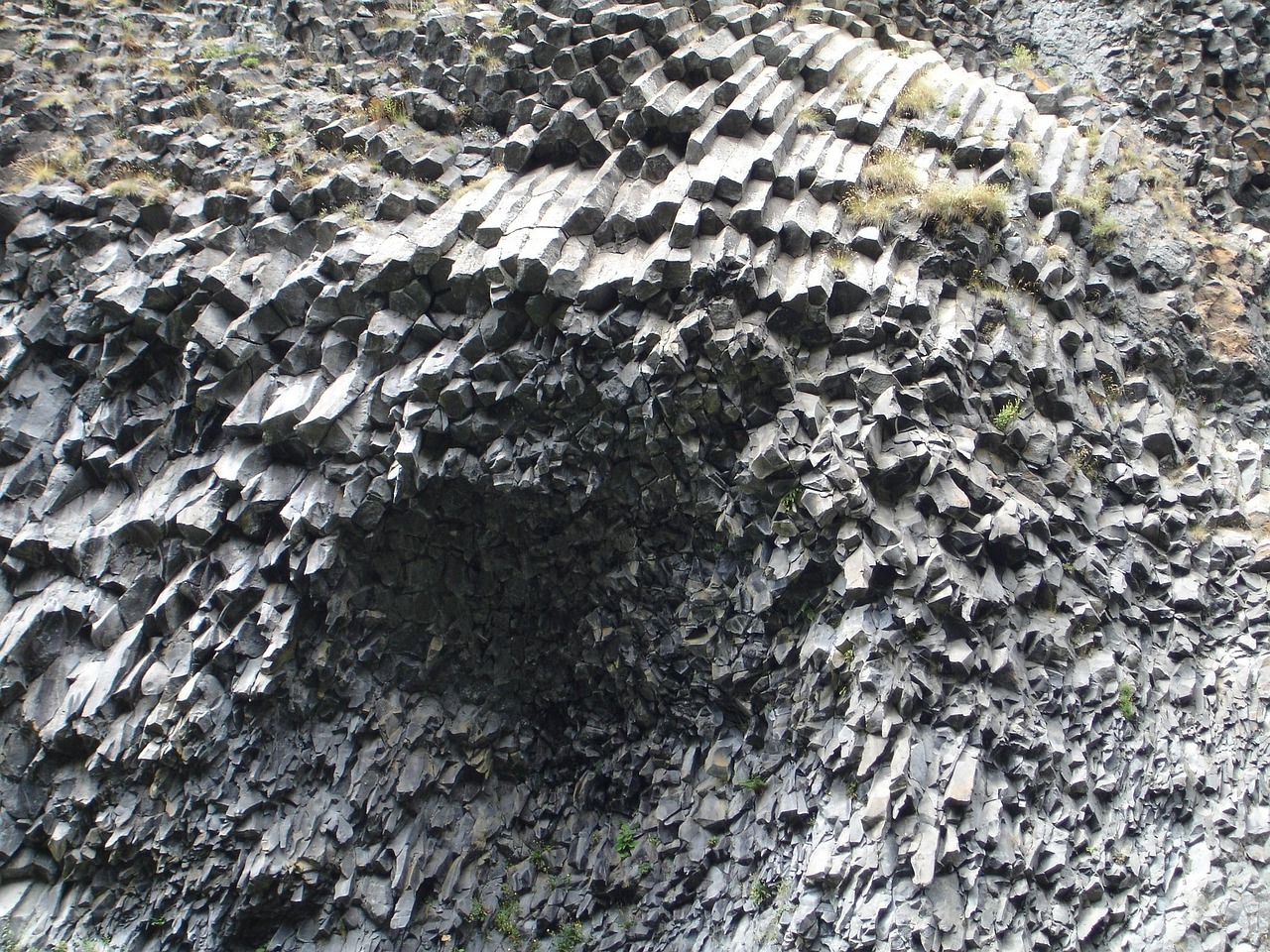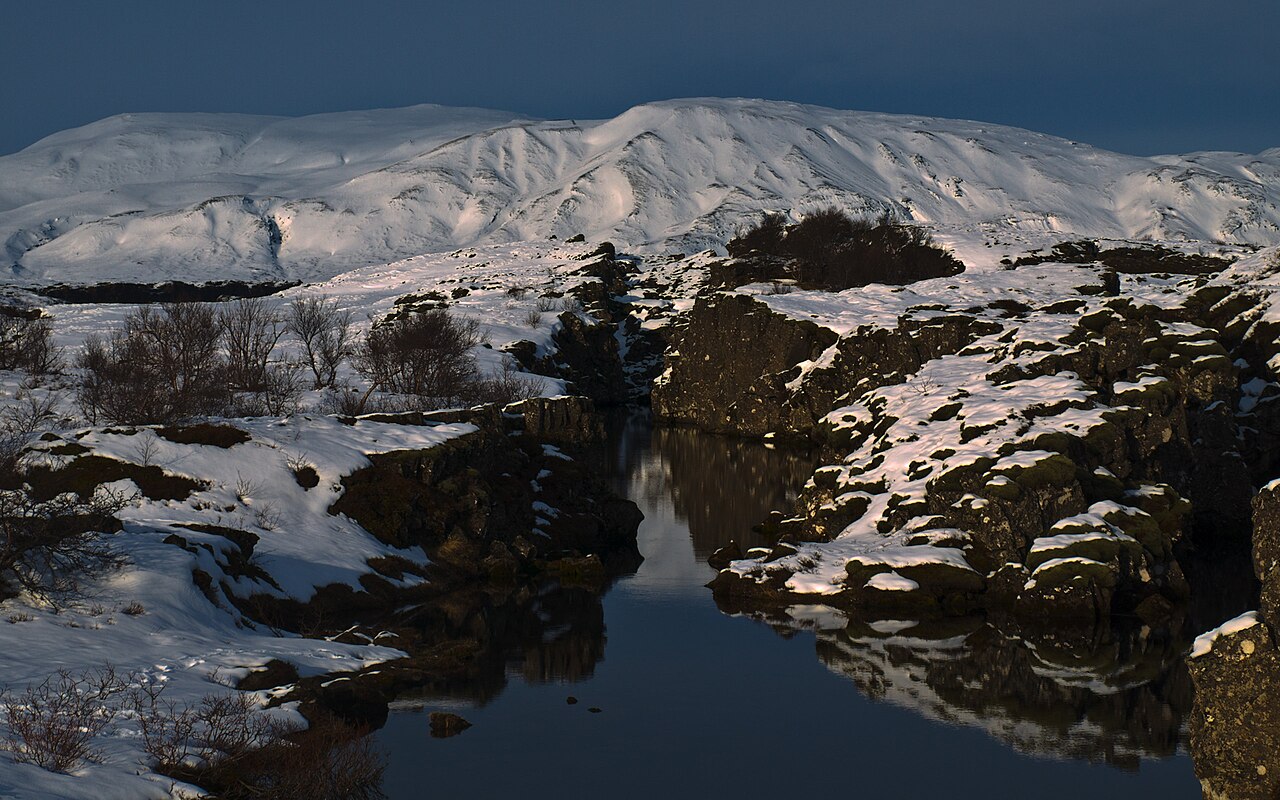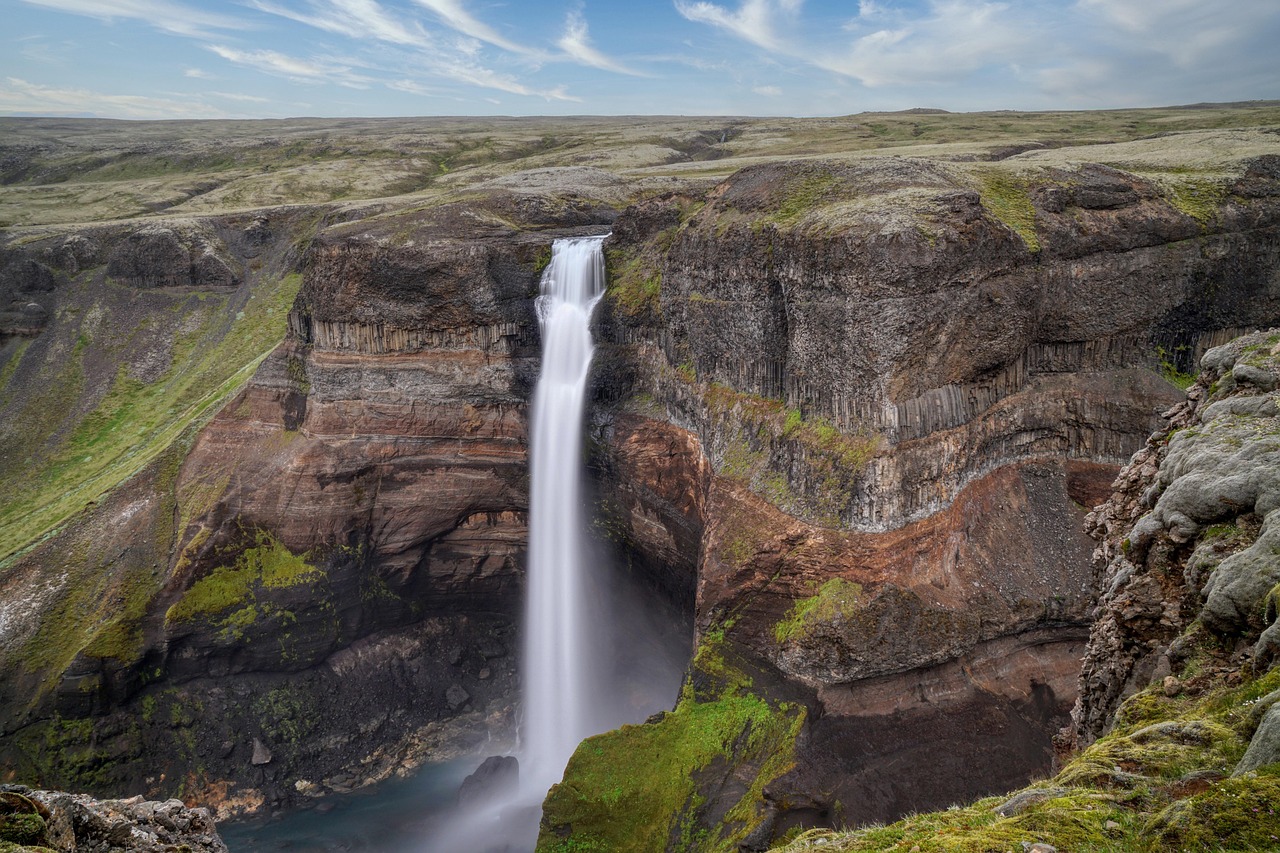
Fagradalsfjall is the volcanic area on the Reykjanes peninsula where a series of eruptions beginning in 2021 created new lava fields, cones and craters within an hour of the capital. Guided hikes lead visitors across the cooled lava to the craters, where the rock is still dark, the ground steams in places and the scale of the new landscape becomes clear. The walk follows marked routes set by authorities and guides, with a briefing on safety, changing conditions and gas, and they only operate when the area is open and judged safe. The terrain is rough, with loose lava and gentle climbs, so sturdy boots, layers and a reasonable level of fitness are needed. Most tours last four to six hours from Reykjavik with transport included, and some add a stop at the geothermal area at Seltun or the Blue Lagoon on the way back. For many travelers, the hike is the closest thing to standing inside an Icelandic eruption story, because the lava is recent enough that the story is still being written. Guides explain the geology of the peninsula, the tectonic setting and how the eruptions have been monitored, and they point out different lava textures such as ropy pahoehoe and rough a'a.
The Reykjanes peninsula is the place where the Mid-Atlantic Ridge comes ashore, and after eight centuries of quiet it has been active again since 2021. The eruptions at Geldingadalir, Meradalir and Litli-Hrutur were relatively gentle, with fissures that produced fountains and slow-moving lava rivers rather than explosive ash.
That is why walking tours were possible and why the area became so popular, even while the activity continued. Today, the cooled fields are open to guided hiking when authorities allow, but conditions can change, and tours can be cancelled without notice if gas levels, fresh activity or weather make it unsafe.
On a typical hike the group meets in Reykjavik and drives about fifty minutes to the trailhead. The path crosses older moss-covered lava and then reaches the new fields, where the rocks are black, jagged and sometimes warm to the touch. Guides explain how to read the landscape: the textures of the lava, the pits where gas escaped, the layers of different eruptions and the cones that built up around the vents.
Views open across the peninsula to the sea, the Blue Lagoon's steam in the distance and the mountains that frame the area. Because the ground is uneven, trekking poles can help, though not everyone needs them.
Preparation matters. Wear waterproof hiking boots, layers, gloves and a windproof jacket, and carry water and snacks. Winter hikes are possible but shorter because of daylight, and the surface can be icy. Check with the operator about the current status, since closures can happen with little warning, and keep an alternative plan, such as a Blue Lagoon visit or the Reykjanes lighthouse route. Visitors with health conditions or mobility concerns should ask about difficulty before booking.
Hikers usually return with a deeper appreciation of the way the landscape is still forming, and with some of the most memorable photos of the trip. Always listen to the guide's instructions about where to walk and stand, because the surface can hide hollow pockets and sharp edges. Keep a respectful distance from any steaming ground, and carry out everything you bring, as the area is a fragile and rapidly changing natural site that many people hope to keep open.
What to expect
The experience
A guided hike across cooled lava fields on the Reykjanes peninsula to the craters of the recent Fagradalsfjall eruptions, with transport from Reykjavik and a safety briefing.
Best time
Spring to autumn offers the easiest conditions; winter hikes are shorter and icier. Tours only run when the area is open and safe.
How long
4-6 hours.
Tips
Wear proper hiking boots and warm waterproof layers. Carry water, snacks and gloves, and check the operator for current conditions before leaving.
Quick picks
- Best for
- Active travelers who want to walk on brand-new Icelandic land.
- Families
- Best for older children and teenagers who are used to rough hikes.
- Couples
- A shared adventure with a story, ideally paired with a Blue Lagoon soak afterward.
- Pair with
- The Blue Lagoon, Reykjanes lighthouses and Seltun geothermal area.
- Time needed
- Half a day including transport.
Good questions
Is the area always open?+
No. Access depends on safety assessments by authorities and can change quickly. Tours run only when it is open.
How hard is the hike?+
Moderate. The distance is manageable but the lava is uneven, and a few climbs are steep. A normal level of hiking fitness is enough.
Is it safe near a recent eruption?+
Guides follow the safety guidance of the authorities, monitor gas and activity, and cancel when conditions require. Never walk the area independently when it is closed.
What should I bring?+
Hiking boots, layers, waterproofs, gloves, water and snacks. Trekking poles are useful on loose lava.
Can I combine it with the Blue Lagoon?+
Yes. The lagoon is close to the area, and several tours include a soak afterward.