Stand-up paddleboarding is a gentle way to explore the coast of Rhodes, and a guided outing makes it easier still. The activity takes you along a rocky shore, with time to paddle into sea caves, swim and snorkel over rocks, and look at the island from the water at a slow pace. The boards are stable, the instruction is simple, and most people are standing within minutes. It is a good option for visitors who want some exercise and a swim without the commitment of a long hike, and it is equally popular with beginners and with people who have paddled before.
The tour begins on the beach or at a small harbour, where the guide fits you with a board, paddle and life jacket or leash and gives a short lesson. You practise standing and paddling in calm water, and once everyone is comfortable the group sets off along the coast.
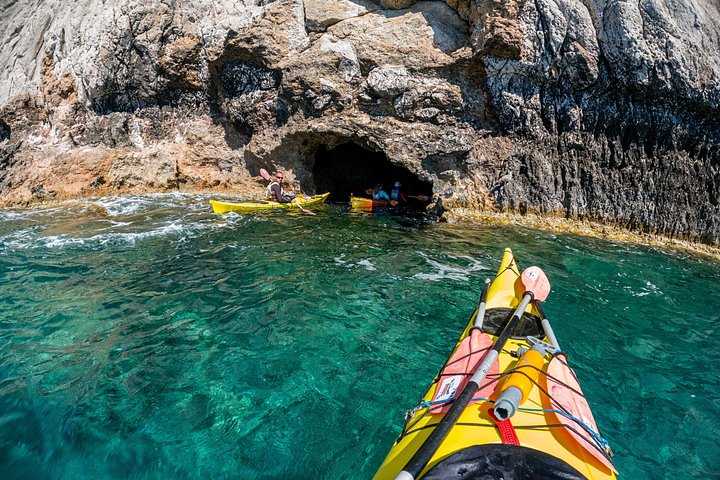
The pace is leisurely, with plenty of pauses to look at the cliffs, the colour of the water and the seabirds. Some stretches of coast are lined with small caves, and on calm days the guide leads you inside to see the light bouncing off the walls.
Snorkelling stops are built into the trip. The rocky seabed hosts schools of small fish, urchins and the occasional octopus, and the water is often very clear. Masks and snorkels are normally provided. If you prefer to stay dry, you can keep paddling, and if you fall in, which most people do at least once, the water is warm in summer and getting back on the board is easy with a little help from the guide.
Strong swimmers will get the most out of the trip, though a life jacket or buoyancy aid is available for those who want one.
Is it hard? Not for most people. Balance is the main skill, and the boards are wide and stable. If you have never paddled, start kneeling and stand when you feel ready. Wind is the bigger issue: a breeze can make going back against it tiring, and trips may be shortened or cancelled when the wind is strong. The guide chooses a route that suits the conditions on the day, so be flexible about where you go.
Practical points
Wear a swimsuit or rash vest, sunscreen that is kind to the sea, a hat with a strap and water shoes if you have them. Do not bring valuables, and leave your phone in a waterproof pouch or in the van. Many operators offer small groups and photographs of the trip, and some include a drink or snack at the end. Check the age and swimming requirements before you book, since children often need to be able to swim and to be accompanied by an adult.
Seasons
The activity runs from late spring to early autumn, with the warmest and calmest water between June and September. Early morning is often best, with the sea flat and the light soft. In July and August the afternoon breeze can be strong. Pair the outing with a beach lunch, and keep the rest of the day free for rest and a long swim.
What to expect
The experience
A guided paddleboard outing along a rocky coast with snorkel stops and sea caves.
Best time
Early morning between June and September, when the sea is flat.
How long
About three hours including instruction.
Tips
Wear a swimsuit or rash vest, use reef-safe sunscreen, bring water shoes and a waterproof phone pouch, and keep dates flexible for wind.
Quick picks
- Best for
- Active travellers who want a swim and some exercise with a scenic route.
- Families
- Older children who can swim and paddle, with an adult; check minimum ages.
- Couples
- A calm, scenic activity that is easy to do together.
- Pair with
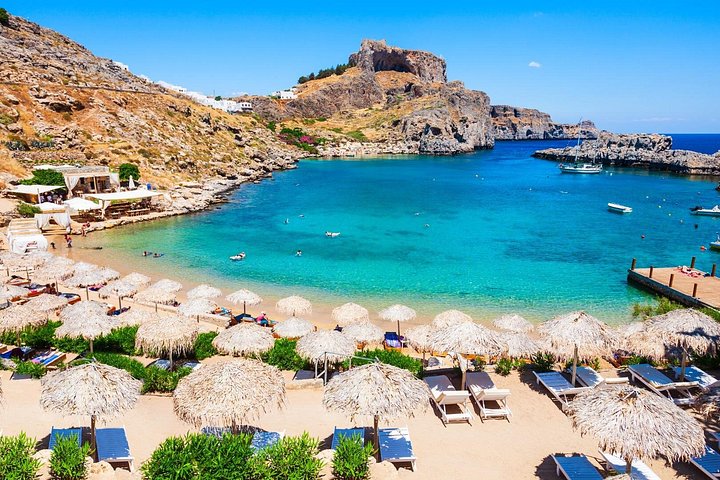
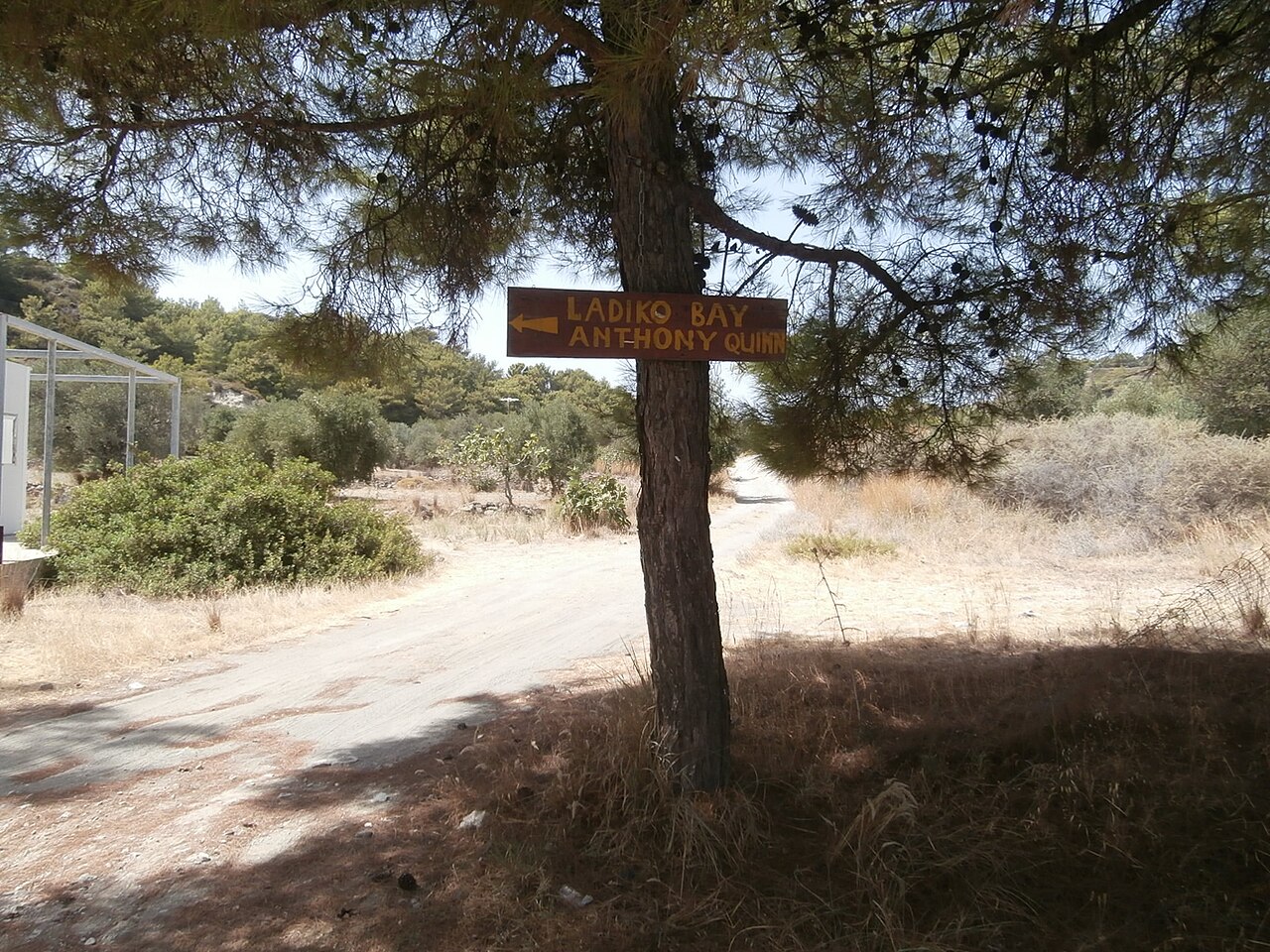
- A beach lunch or a visit to Anthony Quinn Bay.
- Time needed
- Three hours.
Good questions
Do I have to be able to swim?+
Yes, you should be a reasonable swimmer. Life jackets or buoyancy aids are normally available.
Is it suitable for beginners?+
Yes. The boards are stable and the guide begins with a short lesson.
Will we enter the caves?+
On calm days, yes. The guide decides based on the conditions.
What happens if it is windy?+
The route may change or the trip may be cancelled. Keep your plans flexible.
Is equipment provided?+
Boards, paddles, safety gear and usually masks and snorkels are provided.