Roatán's food is a blend of Caribbean, Honduran and Garifuna traditions, shaped by the sea. Fresh fish, coconut, plantain, rice and beans appear in many dishes, and the island's mix of long-time residents, expats and visitors means you can eat anything from a roadside baleada to a polished dinner by the water. This guide covers what to try, where the food clusters and how to avoid common mistakes, whether you have a few hours on a port stop or a week to explore.
What to try
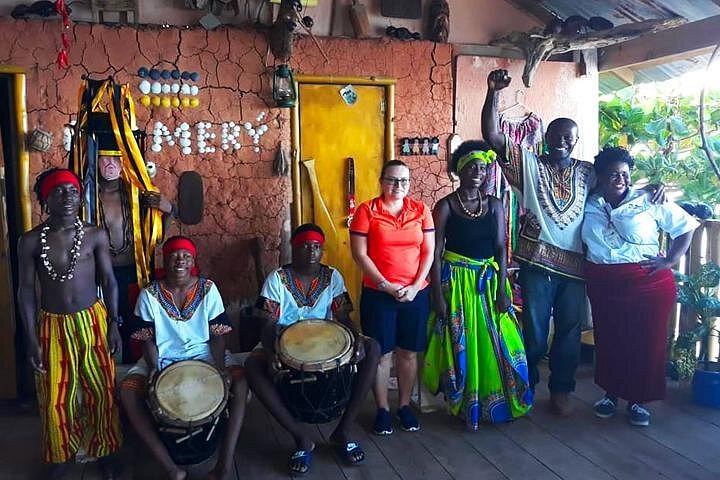
Start with the dishes that belong to the island. A baleada is a folded flour tortilla filled with refried beans, crumbly cheese and cream, sometimes with egg or avocado, and it is Honduras's favorite cheap meal. Fried whole fish with rice, beans and fried plantain is a staple at beach shacks and village restaurants. Conch soup is a Bay Islands favorite, rich and coconut-based, and tapado is a Garifuna seafood stew made with coconut milk, plantain and fresh fish. Coconut bread and sweet rolls appear in bakeries and at the Garifuna village of Punta Gorda, where small restaurants and comedores line the main road. If you see lionfish on a menu, order it, because eating it helps control an invasive species on the reef.
Where the food clusters
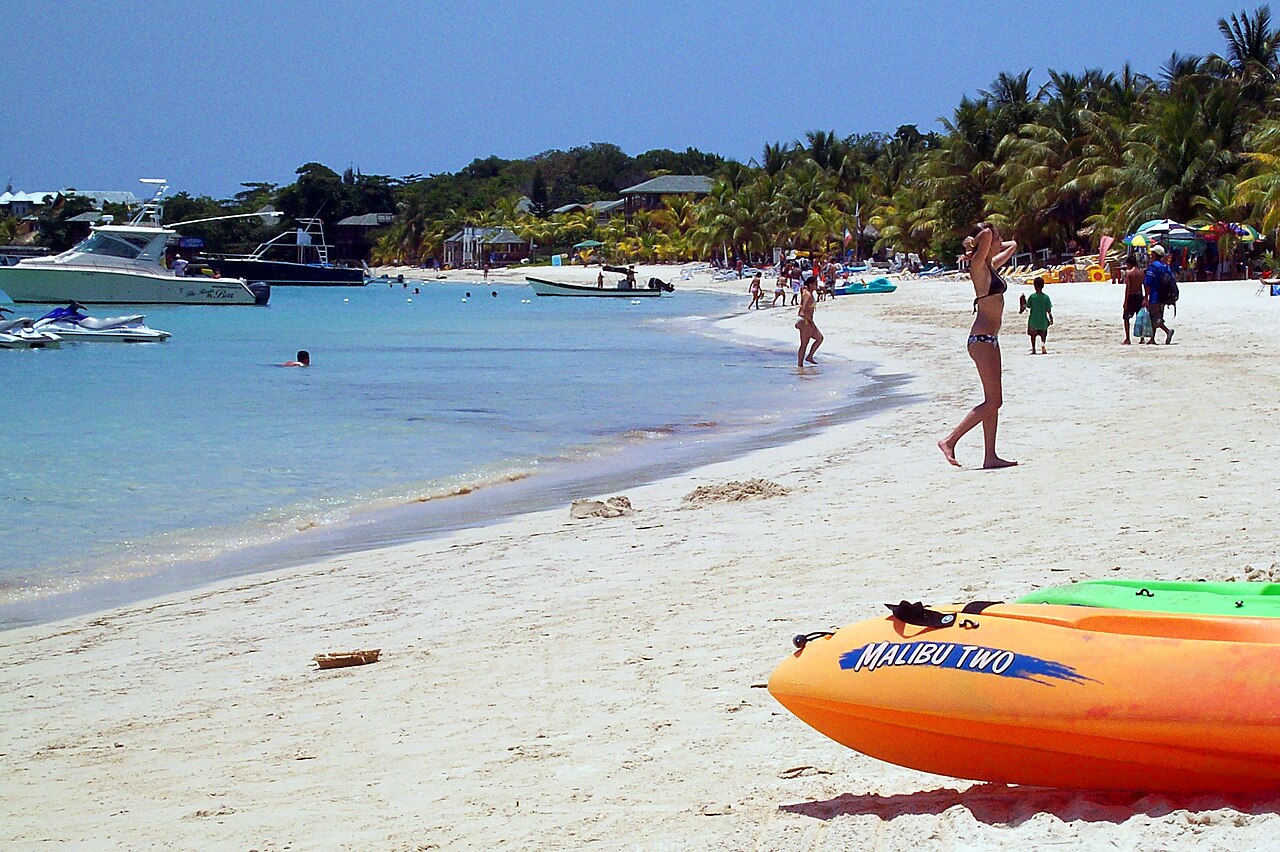
West End Village is the island's dining hub, with a long strip of restaurants, bars and cafes along the waterfront, from simple grills to more refined kitchens. West Bay has beach bars and restaurants behind the sand, and the large resorts, including Kimpton Grand Roatán and Infinity Bay, have their own restaurants that welcome outside diners at some outlets, so ask. The east end is quieter, with small local places in Punta Gorda and fishing villages. On the south shore near French Harbour, the marina resorts offer relaxed waterside dining. Because the island is long, plan your meals around where you will be rather than driving across it for lunch.
Chocolate, craft beer and rum
Roatán has a small but growing food and drink scene beyond the beach bars. The Roatan Chocolate Factory in West End runs hands-on classes where you learn how cacao becomes chocolate and make your own, and it also sells bars and truffles to take home. Roatan Island Brewing Company offers a beer and food tasting that shows off local craft brewing, a refreshing change from the mass-market lagers at most bars. Many island tours add a chocolate and rum stop, so if you want a taste without a full class, ask your driver. Honduran beers such as Salva Vida and Port Royal are on almost every menu, and a cold one on the sand is a classic island moment.
Beach bars and sunset drinks
The classic Roatán evening is a drink with your feet near the water. West End's waterfront bars fill up at sunset, and some host live music, while West Bay's beach bars offer cocktails, snacks and loungers. A pedibike bar crawl of the village is available as an organized tour for those who want company. Remember that sun, heat and alcohol are a strong combination, so drink water between rounds and avoid strenuous activity afterward. If you are on a ship day, keep a firm eye on the clock.
Port-day eating
If you have only a few hours, eat where you land. Mahogany Bay's terminal area has food and drink close to the pier, while a taxi to West Bay or West End puts you among the beach bars and village restaurants. Plan lunch around your activity, because many excursions do not include food, and carry small bills for local places that do not take cards. Agree your return time before you sit down for a long meal, and leave a generous buffer for slow service and the drive back.
Practical tips
Tap water is not recommended for drinking, so choose bottled or filtered water and be cautious with ice if you have a sensitive stomach. US dollars are widely accepted in tourist areas, but change is often given in lempiras, and small bills help. Tipping is customary in restaurants and for guides and drivers. Many smaller places close on slow days or after the cruise ships leave, so check hours. Vegetarians can eat well on beans, rice, plantain, fresh fruit and salads, though it helps to ask about stocks and seasonings, and travelers with allergies should confirm ingredients, particularly in sauces and baked goods.
Putting it together
A good food day might start with a baleada or a coffee, continue with a chocolate class in West End, run through a lunch of fried fish at a beach bar and finish with sunset drinks and dinner by the water. On a longer stay, add a brewery tasting, a Garifuna meal in Punta Gorda and a cooking class if you can find one. Choose restaurants where you can see the sea and the kitchen, and when in doubt, order what the locals are eating.