Rotorua is the heart of Te Arawa, the iwi whose canoe landed on this coast centuries ago, and Māori culture is part of daily life here rather than a side attraction. Visitors can learn about it through living villages, evening performances, carving schools and food cooked in the earth. This guide explains the main experiences, what makes each one different and how to be a respectful guest, so that you leave with more than photographs.
Start with a living village
Whakarewarewa Village is a residential community whose families have lived beside the geothermal valley for generations. Guides from the community lead tours through the village, explain how the heat is used for cooking and bathing, and share stories that cannot be found in a book. A short performance of song and haka is usually included. If you only choose one daytime cultural experience, this is the one that puts you closest to everyday life.
Te Puia and the arts schools
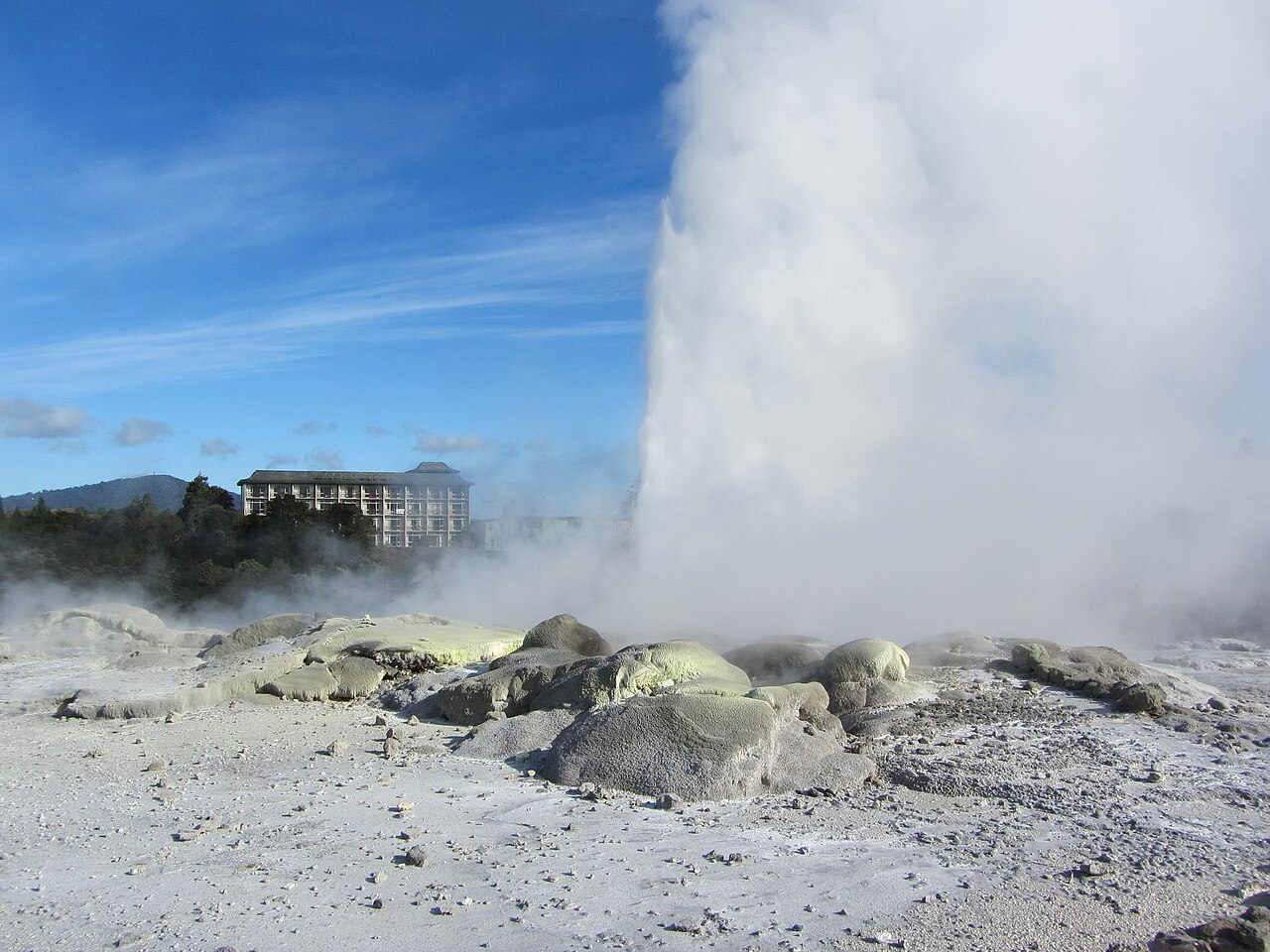
Te Puia is home to the national schools of carving and weaving, so you can watch students working with wood, stone and flax, and see how patterns carry stories. The guided experience includes a haka and a walk past the Pōhutu geyser. The setting is larger and more structured than a village visit, which suits travellers who want a mix of geothermal sights and culture in one place.
Evening experiences
For many visitors, the evening is the highlight. Te Pā Tū is the best known, with a village setting, performance, storytelling and a feast. Mitai Māori Village is smaller and family-run, with a waka paddling on a stream, a hāngī dinner and a glowworm walk. The Te Puia evening combination adds a performance and dinner to a day in the valley. All three include transport or easy pickup options, so check what suits you.
Understanding the haka
The haka is often misunderstood as a war dance. It is a powerful expression of identity, welcome, grief or celebration, and the words carry meaning. At the shows, hosts explain what is being said, so listen carefully. Stay quiet during the performance, avoid laughing or talking, and follow any instructions about when to stand.
Hāngī and food
The hāngī is a feast cooked in an earth oven using heated stones, with meat and vegetables wrapped and buried for hours. It tastes smoky and earthy, and many evenings include the lifting of the food as part of the show. In Whakarewarewa you may also see food cooked in steam boxes and boiling pools. If you have dietary needs, tell the venue when you book so they can plan.
Art, carving and souvenirs
Carvings, weaving and jewellery made by local artists are widely sold. Look for pieces made by Māori artists, ask about the maker and the meaning, and be wary of mass-produced imitations. Greenstone, or pounamu, is treasured, so buy it from a reputable seller.
Being a respectful guest
Listen to your hosts and follow their lead. Ask permission before photographing people, especially at ceremonies, and keep phones away during the formal welcome. Avoid touching carvings unless invited, do not sit on tables where food is served, and remove your shoes if asked at a meeting house. A simple greeting such as kia ora is always welcome, and a sincere interest in the stories is the best way to show respect.
Language and place names
You will see macrons in names such as Pōhutu and Māori, which show a long vowel sound. Learning a few words, including how to say Rotorua properly, is a pleasant way to connect with local people. Guides are generally happy to help with pronunciation.
Choosing between experiences
If you have one evening, pick the show that matches your style: Te Pā Tū for scale and storytelling, Mitai for a smaller, family feel. If you have a daytime hour, spend it at Whakarewarewa. For depth, combine a daytime village visit with an evening performance, and leave time to talk to your hosts.
Putting it together
A well-balanced cultural day might start with the guided walk at Whakarewarewa Village in the morning, followed by lunch in town and a visit to the carving school at Te Puia in the afternoon, then an evening performance and feast. Spacing the experiences out gives you time to absorb what you have heard and to ask questions, and it avoids the sense of rushing from one show to the next. Finish the day with a walk by the lake, where the steam and the lights make a gentle end to a full day.