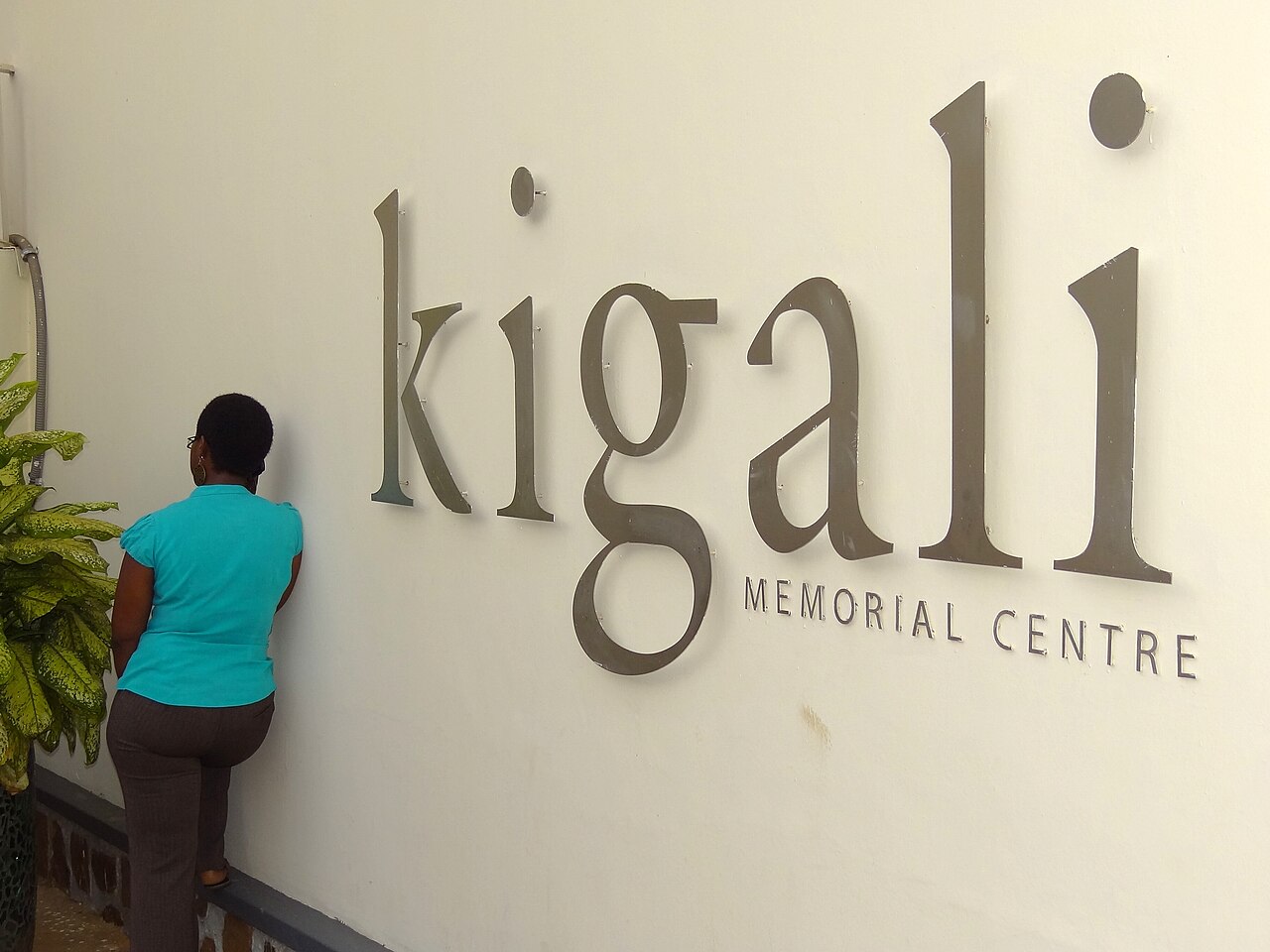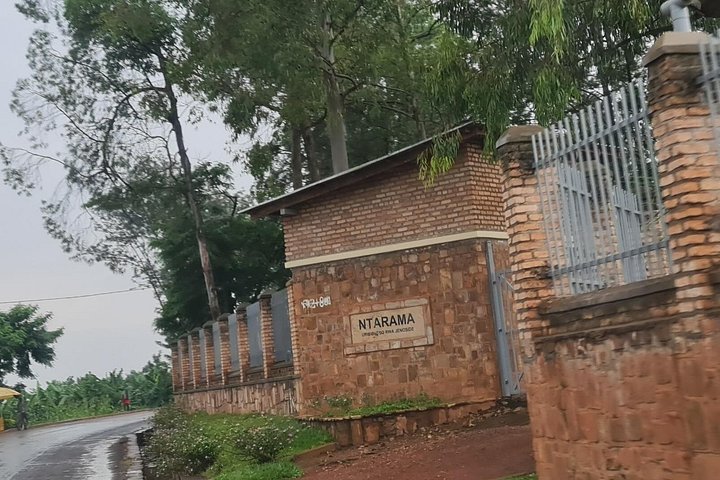
Nyamata and Ntarama are two small towns in Bugesera district, around an hour from Kigali, each with a church that became a place of refuge and then a scene of mass killing during the 1994 genocide against the Tutsi. Both churches have been kept as memorials. At Nyamata, thousands of people are believed to have been killed inside and around the church, and the building still holds clothing, personal belongings and coffins, with the remains of victims stored in crypts beneath the grounds. Ntarama, a smaller church, is preserved in a similar way and also holds the belongings of those who died. They are very different from the museum setting of the Kigali Genocide Memorial: there are few displays, no distance and no attempt to soften what happened, and many visitors find them the most affecting part of their time in Rwanda. This day tour from Kigali takes you to both sites with a guide who explains the history and context, and who can answer questions with sensitivity. It is not a casual excursion, and it suits visitors who have already begun to learn about the genocide and who want to witness the places themselves.
Context
The Kigali Genocide Memorial gives the national story, while Nyamata and Ntarama show what happened in ordinary communities. Bugesera was one of the districts where Tutsi families were forced to settle in earlier decades, and the churches became sites of refuge because they had sheltered people in earlier waves of violence. Your guide will explain this background and the work that Rwandans have done since to preserve remains, identify victims and support survivors.
What to expect
At Nyamata you walk into the church and see rows of clothing on the pews, along with the damaged roof and doors, and then descend into the crypts, where skulls and bones are arranged on shelves. At Ntarama the church interior is smaller and more intimate, and an adjoining building displays more of the belongings.
The visit takes an hour or so at each site and is emotionally heavy. Some visitors choose to walk in silence for periods and to pause outside. Survivors or memorial staff sometimes share their stories, and listening respectfully is the most helpful response.
Etiquette
Dress modestly with shoulders and knees covered, keep your voice low and ask before taking any photographs, since rules vary and are strictly observed inside the buildings. Do not touch the displays. Children are generally not suitable visitors, and many memorials set age restrictions, so check before you travel with younger teenagers. If you give a donation or tip, do so quietly through the staff or your guide, who will explain what is appropriate.
Planning the day
The drive from Kigali takes roughly an hour each way, which leaves time for a quiet lunch and a rest between the two sites. Many travellers combine the trip with a visit to a community project or a lakeside stop in Bugesera, and some operators offer a lake retreat as part of the day. Keep the afternoon free of anything demanding. Visiting these sites after the Kigali memorial rather than before usually helps, since the national exhibition provides the history that makes the churches easier to understand.
Who it suits
Adults and mature teenagers who are ready for a direct encounter with the genocide's history, and who want to travel with a guide who treats it with care. It is not a sightseeing outing but a form of witness, and the most important preparation is the right frame of mind.
What to expect
The experience
A guided day trip from Kigali to the preserved church memorials at Nyamata and Ntarama, with explanation of the history and the aftermath.
Best time
Any day when the memorials are open; it helps to visit the Kigali Genocide Memorial first, and to avoid commemoration week in April unless you are attending an event.
How long
Half a day to a full day, with roughly an hour's drive each way and an hour or so at each site.
Tips
Dress modestly, ask before photographing, keep voices low and keep the rest of the day free.
Quick picks
- Best for
- Visitors who want a direct, unfiltered understanding of the genocide beyond the Kigali museum.
- Families
- Not suitable for young children; discuss with mature teenagers beforehand and check age rules.
- Couples
- A heavy but meaningful shared experience; plan a quiet evening afterward.
- Pair with
- The Kigali Genocide Memorial first, then a calm lakeside or café stop.
- Time needed
- Half a day to a full day, with nothing demanding afterward.
Good questions
What are Nyamata and Ntarama?+
They are church memorials in Bugesera district, south of Kigali, where many people who sought refuge in 1994 were killed. Both are preserved as memorials.
How far are they from Kigali?+
Roughly an hour by road each way, which makes a half-day or full-day trip.
Should I visit the Kigali Genocide Memorial first?+
Most visitors find that helpful. The national exhibition gives the history and context that make the churches easier to understand.
Can I take photographs?+
Rules vary by site and are strictly observed inside the buildings. Always ask staff or your guide before you photograph anything.
Is it suitable for children?+
Generally not for young children. Check age rules and consider carefully whether older teenagers are prepared for the content.