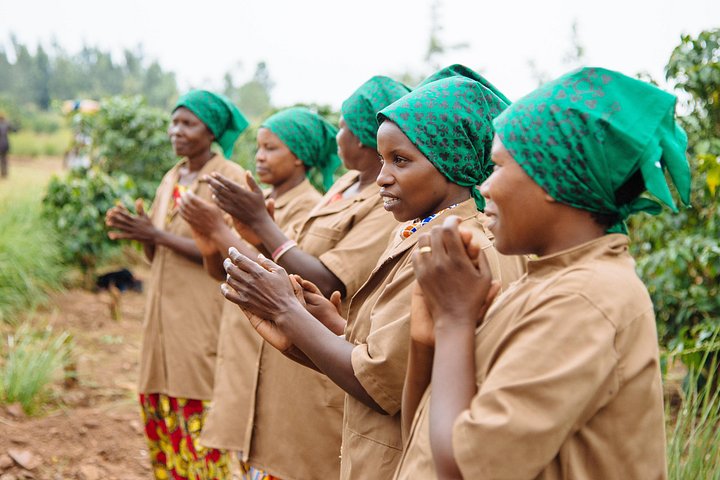
Tea is one of Rwanda's most important exports, and the highlands where it grows are among the loveliest in the country. Neat, bright green rows of bushes cover the hillsides in a pattern that looks hand-combed, and pickers move along them with baskets, harvesting only the top shoots. This experience takes you into tea country for a walk through the plantation, a lesson in how the leaves are picked, withered, rolled, dried and sorted and a tasting of the finished tea, often with a snack or a simple lunch. The tour is easy and slow, with plenty of time to talk to workers, take photographs and enjoy the cool, misty air. Rwandan tea has a bright, clean flavour that suits milk and sugar or a plain black cup, and the plantations are often run by cooperatives that provide work for hundreds of families. It is a good option for travellers who like gardens, food and drink or simply a restful day between more demanding activities such as gorilla treks and volcano hikes.
Where tea grows
The main tea regions sit in the cool, wet highlands of the north and the south-west, including the hills around Nyungwe Forest, where the contrast of the plantations and the forest edge is striking. Tour routes vary, so check which estate yours visits and how long the drive is from Kigali.
Some visits are part of a wider trip to Nyungwe or Lake Kivu, while others are dedicated days out.\n\nWhat you learn: the process starts with careful picking, because the quality of the tea depends on taking the youngest leaves and the bud.
The leaves are then withered to soften them, rolled to release the juices, left to oxidise, dried and graded. At the factory or tasting room, guides explain the grades and invite you to smell and taste the tea. Ask about buying packets to take home, which supports the growers directly and makes an easy gift.\n\nPractical tips: bring a rain jacket and a warm layer, because tea country is cool and often misty, along with sturdy shoes for the muddy paths.
Mornings give the clearest air and the most activity among the pickers. Be respectful when photographing workers and ask first. Check the inclusions for lunch, transfers and entry, and the length of the drive, which can be long if the estate is in the south-west. The dry seasons, June to September and December to February, give the easiest conditions, though the plantations are green and beautiful year round.
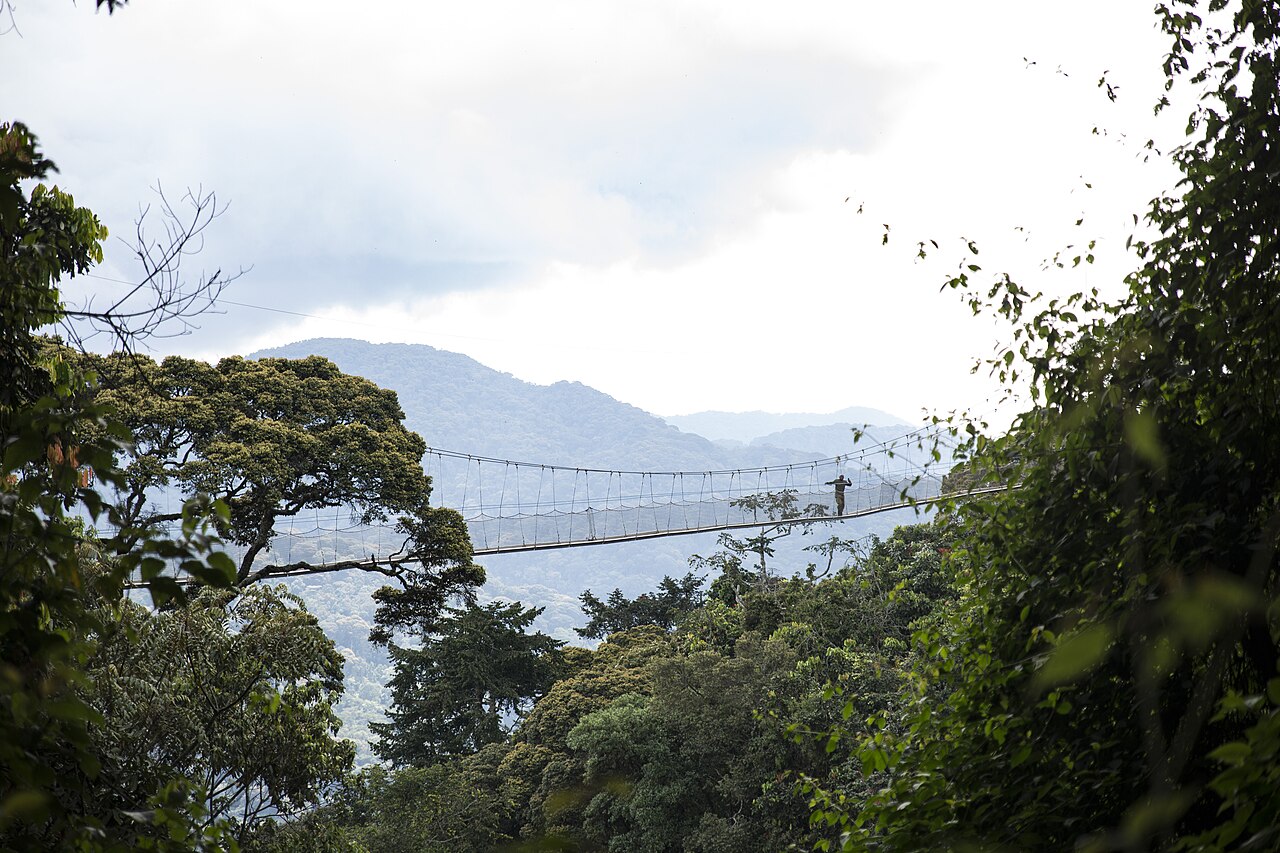
\n\nPairing and timing: tea visits work best as a relaxed day between harder activities, for example after a chimpanzee trek or a canopy walk in Nyungwe, or on the way between Kigali and Lake Kivu.
If the plantation is part of a longer drive, plan lunch and a stretch of the legs along the way. Bring cash for tea and snacks, and be flexible with timing, since factory visits depend on the harvest and production schedule on the day. Finally, ask about the different teas on offer, from plain black to blends with ginger or lemongrass, and try a cup without sugar first to taste the leaf itself before you add anything.
What to expect
The experience
A guided visit to a tea plantation with a walk among the bushes, an explanation of how tea is made and a tasting.
Best time
Mornings, when the air is clear and the pickers are at work; the dry seasons are easiest for travel.
How long
A full day, including the drive from Kigali.
Tips
Bring a rain jacket and sturdy shoes, ask before photographing workers, and check which estate the tour visits and what the price covers.
Quick picks
- Best for
- Travellers who enjoy food, drink, gardens and gentle countryside.
- Families
- An easy, scenic day, though the drive may be long for young children.
- Couples
- A peaceful day out with a tasting and views over green hills.
- Pair with
- The Nyungwe canopy walk, a coffee farm visit or Lake Kivu.
- Time needed
- A full day, or part of a longer trip.
Good questions
Where are Rwanda's tea plantations?+
Mainly in the cool highlands of the north and the south-west, including the hills near Nyungwe Forest. Check which estate your tour visits.
Will I taste the tea?+
Yes, a tasting is a normal part of the visit.
Can I buy tea to take home?+
Usually yes. Buying directly supports the growers and the cooperative.
What should I wear?+
Comfortable shoes for muddy paths and layers, because the highlands are cool and often damp.
Is it suitable for children?+
Generally yes. The walking is gentle, but the drive can be long.