San Juan has a tropical climate, so warm weather is a given and the real questions are how much rain, how much heat, how many people and how much you will pay. The calendar divides into a popular dry season, a hotter, wetter summer and a hurricane season that overlaps both. This guide states the seasons plainly and explains how each one changes what you can do.
December to April: the high season
This is the driest and coolest part of the year, with sunshine, lower humidity and pleasant evenings, and it is when most visitors come. Hotel rates are highest, flights and weekend stays book up, and the old town is busy with cruise passengers on many mornings. The beaches are at their best, the forts are comfortable to explore and the evenings are good for outdoor dining. If you want this window, book hotels early, reserve the bioluminescent bay and any Vieques ferry days well ahead and expect crowds at El Morro and in the old town. Christmas and New Year are especially busy and expensive.
May to early June: the shoulder
Prices ease, the weather is warm and humid, and the crowds thin. It can be a good compromise if you want good conditions without winter prices, though showers become more frequent and the heat builds. Start sightseeing early and plan beach time for the afternoon or the morning.
June to November: summer and hurricane season
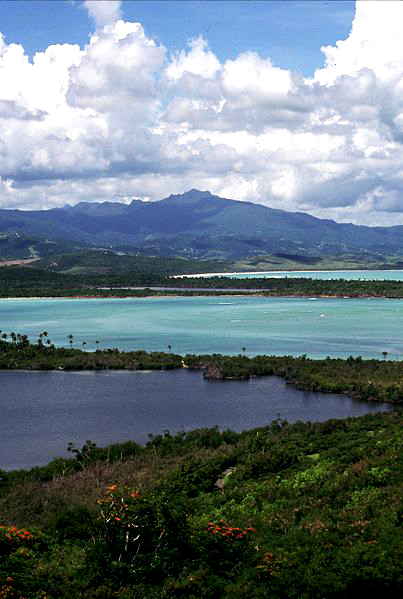
The Atlantic hurricane season runs from June 1 to November 30, with the most active period typically from August to October. In summer San Juan is hot and humid, with frequent afternoon showers and occasional tropical storms, and rates are lower. Travel insurance and flexible bookings are wise, and it is smart to check forecasts in the days before departure. The upsides are quieter streets, shorter waits and a lush landscape, with fuller waterfalls and a greener El Yunque. Plan sightseeing in the morning, keep water and sun protection with you and use the afternoons for the pool or a museum.
The rainforest and the rain
El Yunque is a rainforest, so showers can happen at any time of year, and the forest is lush and the trails muddy after rain. Check the park's alerts for trail and waterfall closures before you go, because some areas have been closed for maintenance. A light rain jacket is useful in every season. River and cave adventures such as Charco Azul or Tanama can change or cancel after heavy rain for safety, so book flexible dates in wetter months.
Bays, boats and the moon
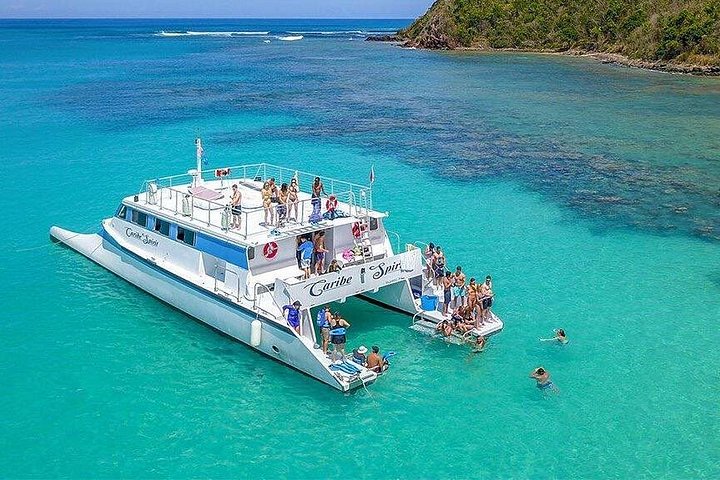
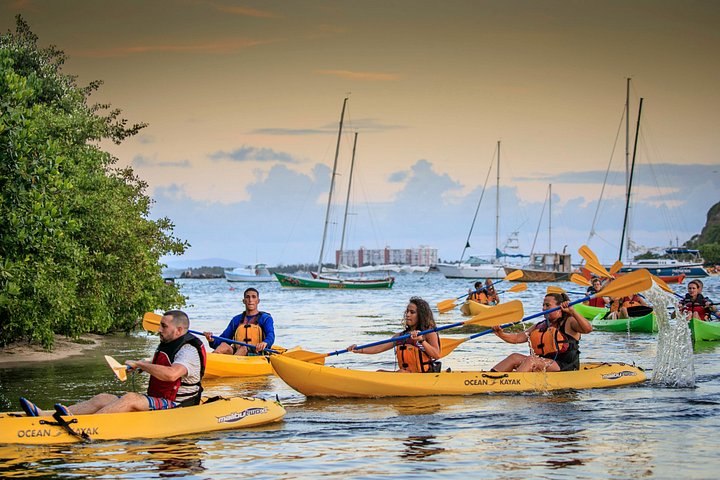
The bioluminescent bays depend on darkness, so the nights around a new moon are best and a bright full moon dims the glow. Book ahead for those dates. Sea conditions affect catamaran days to Culebra and Icacos, and swells can make Atlantic beaches such as Isla Verde rough on some days, so follow the flags and ask your hotel about conditions.
Crowds and cruise days
Cruise ships fill the old town on many mornings in the high season, so an early start or a late-afternoon visit gives you quieter streets. The forts are open daily according to the National Park Service, but the Museo de Arte de Puerto Rico is closed on Mondays and Tuesdays, so check weekly closing days when planning.
Festivals and events
Holidays shape the calendar here. The Christmas season in Puerto Rico is long and festive, with music, food and family gatherings, and the Fiestas de la Calle San Sebastian in the old town in January draw big crowds, so rooms and restaurants fill and prices rise. Check dates before you book, and if you prefer a quiet visit, avoid those weekends. Local holidays can also change opening hours, so confirm schedules for tours and museums when your dates overlap one.
Our recommendation
For the best balance of weather, beaches and activities, choose January to April and book early. For good value, try late April to early June or November, accept a few showers and keep your plans flexible. If you travel in peak hurricane months, buy flexible fares and insurance, choose a hotel with a generous cancellation policy and have an indoor backup plan, such as a cooking class, salsa lesson or museum visit.