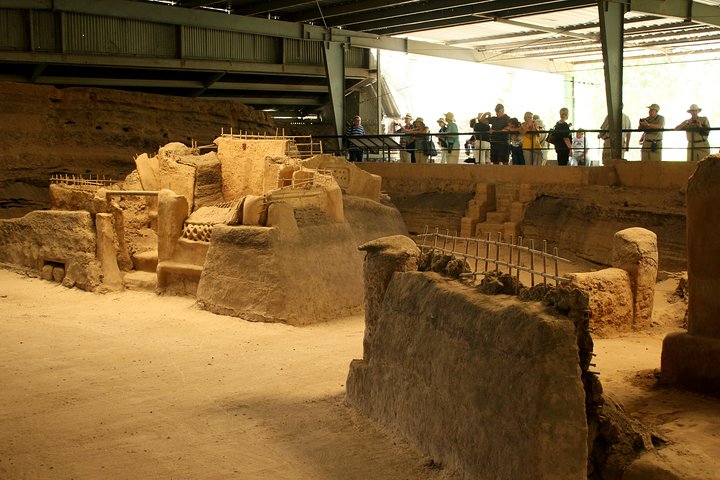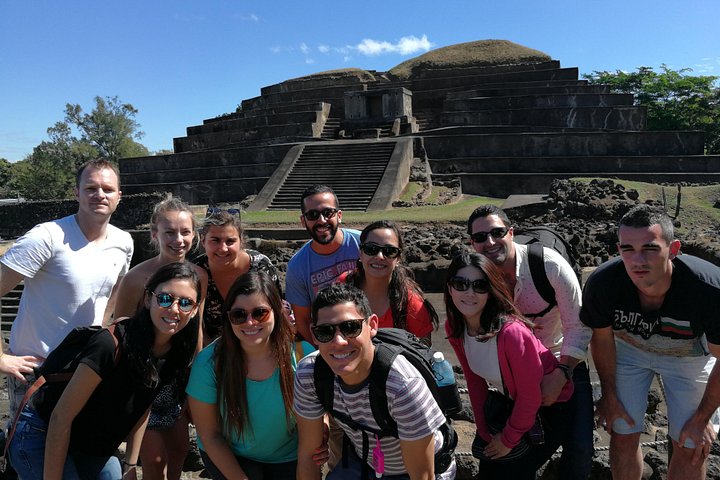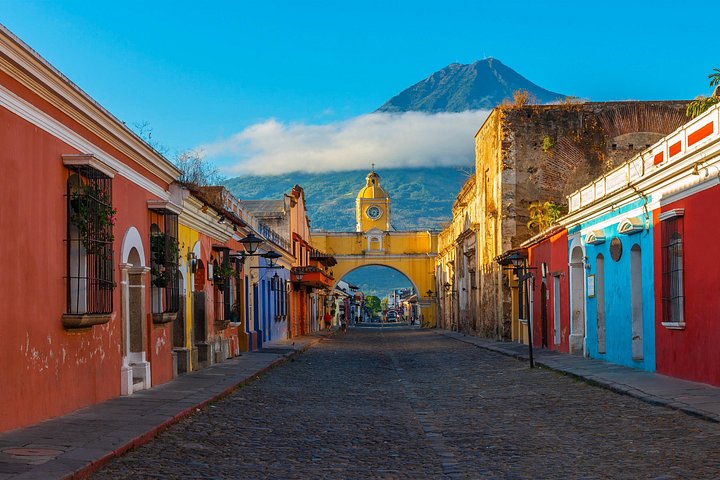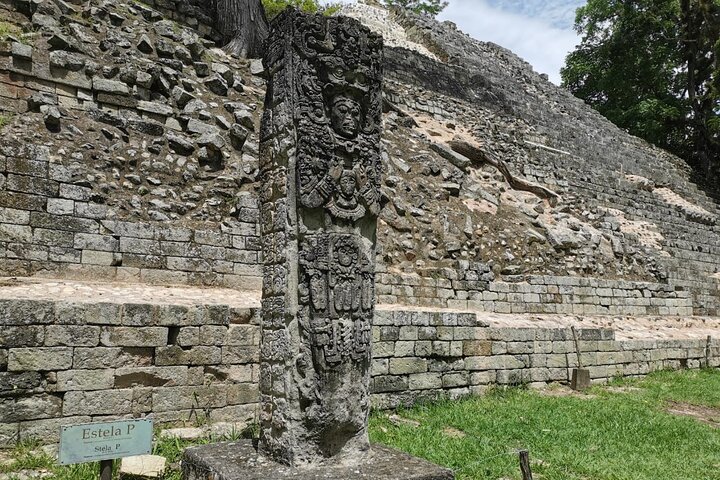
Copán is one of the great cities of the Maya world and sits across the border in western Honduras, a long day from San Salvador but a manageable one with an early start and a good driver. The site is a UNESCO World Heritage property celebrated for its sculpture: tall carved stelae portraying the city’s rulers, an elaborate ball court, plazas and temples, and the Hieroglyphic Stairway, whose long inscription is among the most important Maya texts known. Compared with the Salvadoran sites, Copán is larger and more sculptural, which makes it a useful contrast with Joya de Cerén, a village preserved under ash, and Tazumal, a pyramid complex in the west. The tour linked here handles the border crossings, transport and guiding, which removes most of the logistics that make independent trips awkward. It suits travellers with a serious interest in Maya history who are prepared for a very long day, and it is not the right choice for anyone who dislikes long drives or border formalities. If you have time, an overnight stay in Copán Ruinas town makes the trip far more relaxed.
What to expect
The day starts very early with hotel pick-up, followed by a drive to the border and the crossing into Honduras, then onward to the archaeological site. A guide leads you through the main plazas, the ball court, the stelae and the Hieroglyphic Stairway, explaining the dynasty of rulers and the carvings. Time at the site is usually a few hours, followed by the return journey the same day.
Border and documents
You must carry your passport, and rules for entry and exit can change, so check the current requirements for your nationality before you travel and confirm with the operator which documents and any fees are needed at the border. Border posts can be slow, and the schedule depends on queues. Entry to the site and the border are handled differently from one operator to another, so ask exactly what is included.
Many visitors are surprised by how much of the city has been restored, including large plazas and a museum of sculpture at the site, and the quality of the carving is the main reason people accept the long journey. A good guide helps connect the stelae to the rulers and dates they commemorate.
Planning notes
Wear comfortable walking shoes, a hat and sun protection, and bring water and snacks for the journey. Honduras uses its own currency, the lempira, though US dollars are often accepted informally, and in El Salvador the dollar is the everyday currency while bitcoin is not legal tender. The site is open-air with limited shade, so the drier months, roughly November to April, are the most comfortable, and early starts are essential in every season.
Consider the Joya de Cerén and Tazumal day first if you want to see how the Salvadoran Maya sites compare. For a first Maya visit, the Salvadoran sites are easier and closer, but Copán gives a sense of scale and artistry that is hard to match. If you are comfortable travelling independently, a bus from the capital and a night in the nearby town is an alternative, though it takes more planning than a guided day.
What to expect
The experience
A guided full-day trip by road across the border to the Copán archaeological site in Honduras.
Best time
The dry months, roughly November to April, with a very early start in every season.
How long
A few hours at the site within a 12 to 15 hour day including border crossings.
Tips
Carry your passport, wear comfortable shoes and sun protection, and expect a long day with border queues.
Quick picks
- Best for
- Serious Maya history enthusiasts willing to spend a long day on the road.
- Families
- Better for older children who can cope with a very long day and border formalities.
- Couples
- A memorable but demanding day; consider an overnight stay in Copán Ruinas town for a calmer pace.
- Pair with
- Joya de Cerén and Tazumal on separate days for a full Maya picture.
- Time needed
- A full day of 12 to 15 hours.
Good questions
Do I need a passport for the Copán day trip?+
Yes. You cross an international border, so carry your passport and check the current entry rules for your nationality.
How long is the day?+
Expect 12 to 15 hours from hotel pick-up to return, including the drive and the border crossings.
What is Copán famous for?+
It is known for its carved stelae, its ball court and the Hieroglyphic Stairway, one of the longest Maya inscriptions known.
What currency do I need?+
Honduras uses the lempira, although US dollars are often accepted informally. In El Salvador the dollar is the everyday currency and bitcoin is not legal tender.
Is it worth doing in one day?+
It is possible and many visitors do it, but it is a very long day. An overnight stay in Copán Ruinas makes it more relaxed.