The Santa Barbara Channel is the reason this coast has such extraordinary wildlife, and the Condor Express is the classic way to get out on it. The boat is a 75-foot, high-speed catamaran that leaves from Sea Landing in Santa Barbara Harbor, which matters more than it sounds: the speed lets it reach the feeding grounds near the Channel Islands quickly, so more of the trip is spent with animals and less in transit. The channel sits where cold, nutrient-rich upwelling meets the shelter of the islands, and more than two dozen species of whales and dolphins pass through over a year. The calendar is the key to what you will see. From roughly May to November, blue whales (the largest animals that have ever lived) and humpbacks feed in the channel, and late autumn often still brings humpbacks breaching and lunge-feeding; from November to mid-May, California gray whales migrate past on their way to and from the Baja lagoons, so a November or December trip can catch the overlap of both seasons. Common and bottlenose dolphins often run alongside in pods that can number in the hundreds, and sea lions, seabirds and the occasional orca sighting round out the cast. The boat has indoor cabin seating and an open upper deck for more than 120 passengers, with a galley serving snacks and drinks, and there are discounts for seniors and children 12 and under. Book a few days ahead for weekends, dress in layers whatever the forecast, and treat it as the next-best thing to a Channel Islands landing when the island boats are full.
Why the channel is special: the Santa Barbara Channel lies inside the Channel Islands National Marine Sanctuary, and its underwater canyons and seasonal upwelling feed krill swarms that draw the biggest whales on Earth within sight of the city. Few places let you leave a downtown harbor and see a blue whale the same morning, which is why marine biologists and photographers return here year after year. The Condor Express has run these waters for decades, and its crew narrate behavior as it happens, explain how to tell a humpback blow from a gray, and log sightings that feed into the season-long picture. That knowledge is the real value of a dedicated whale-watching boat over a casual harbor cruise.
Doing it well: choose the morning departure when you can, since the sea is often calmer early and the light flatters the spouts. Take motion-sickness precautions before boarding rather than after, and sit low and central if you are prone to it; the upper deck is best for photographs but moves more. Bring a windproof layer, a hat that will stay on, sunglasses and sunscreen, and a long-ish lens if you shoot. Check in at Sea Landing at the harbor ahead of departure, and allow time to park in the harbor lots on busy weekends. Sightings are wildlife, not a show, so the crew go where the animals are; most trips find whales, and the operator explains its policy on trips without a sighting at booking.
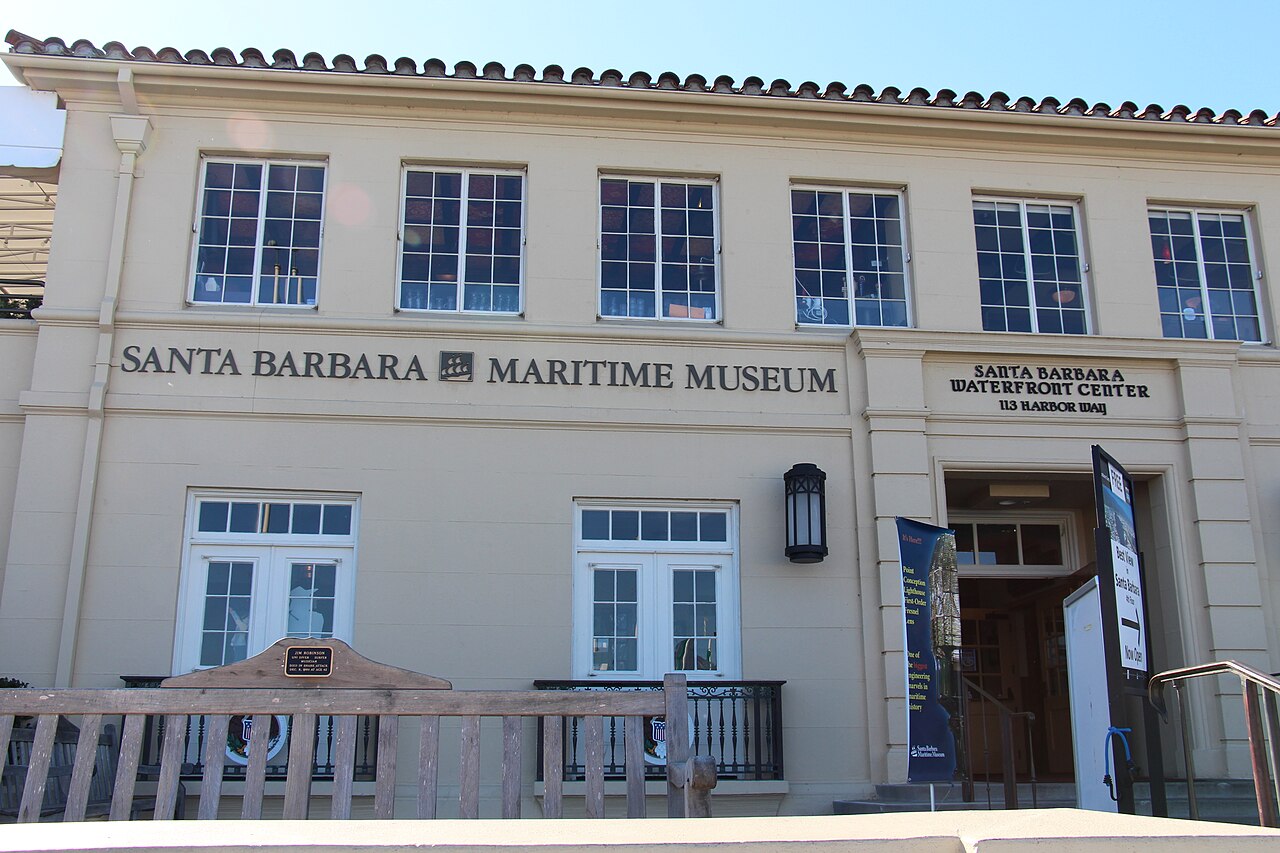
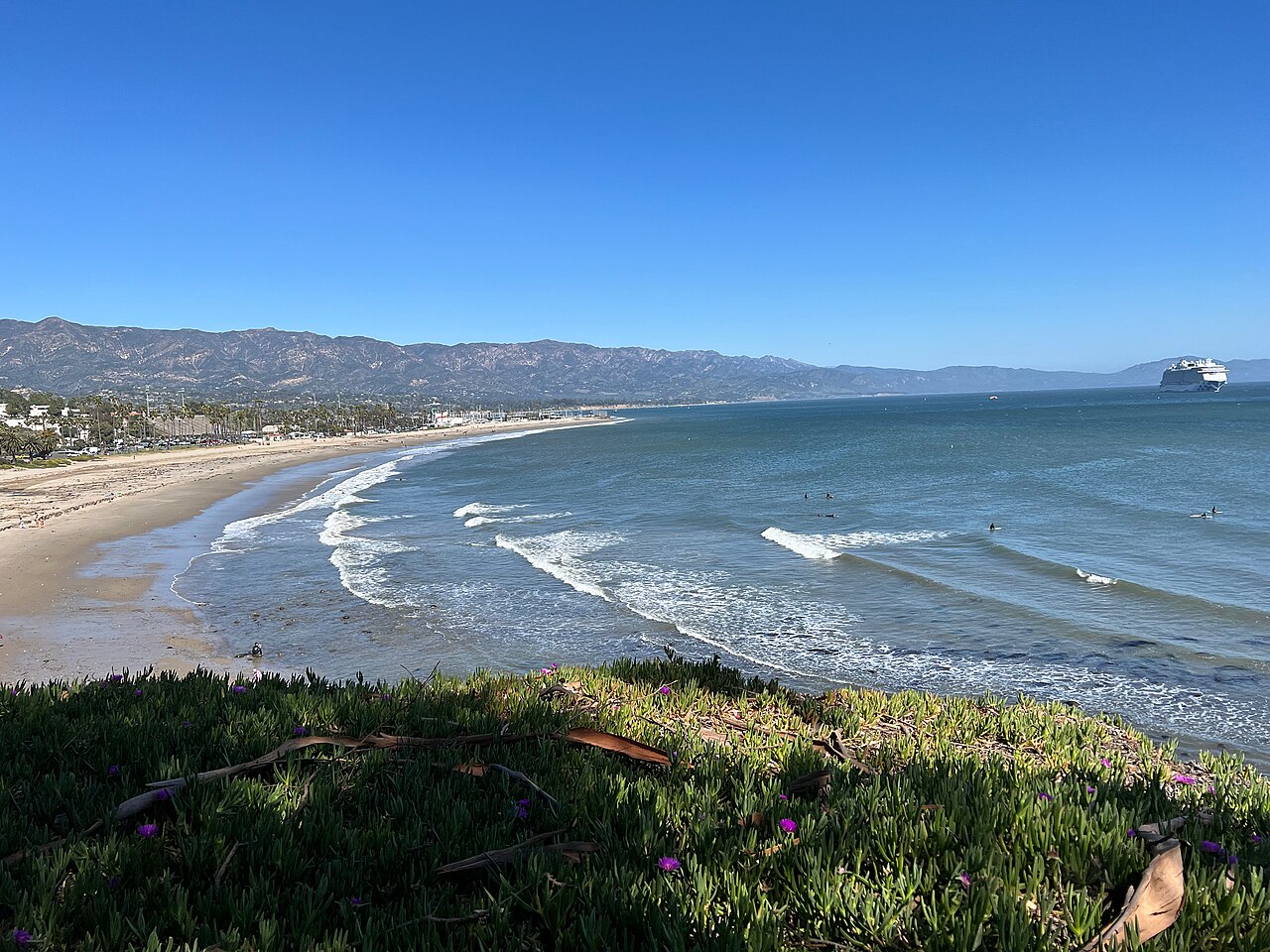
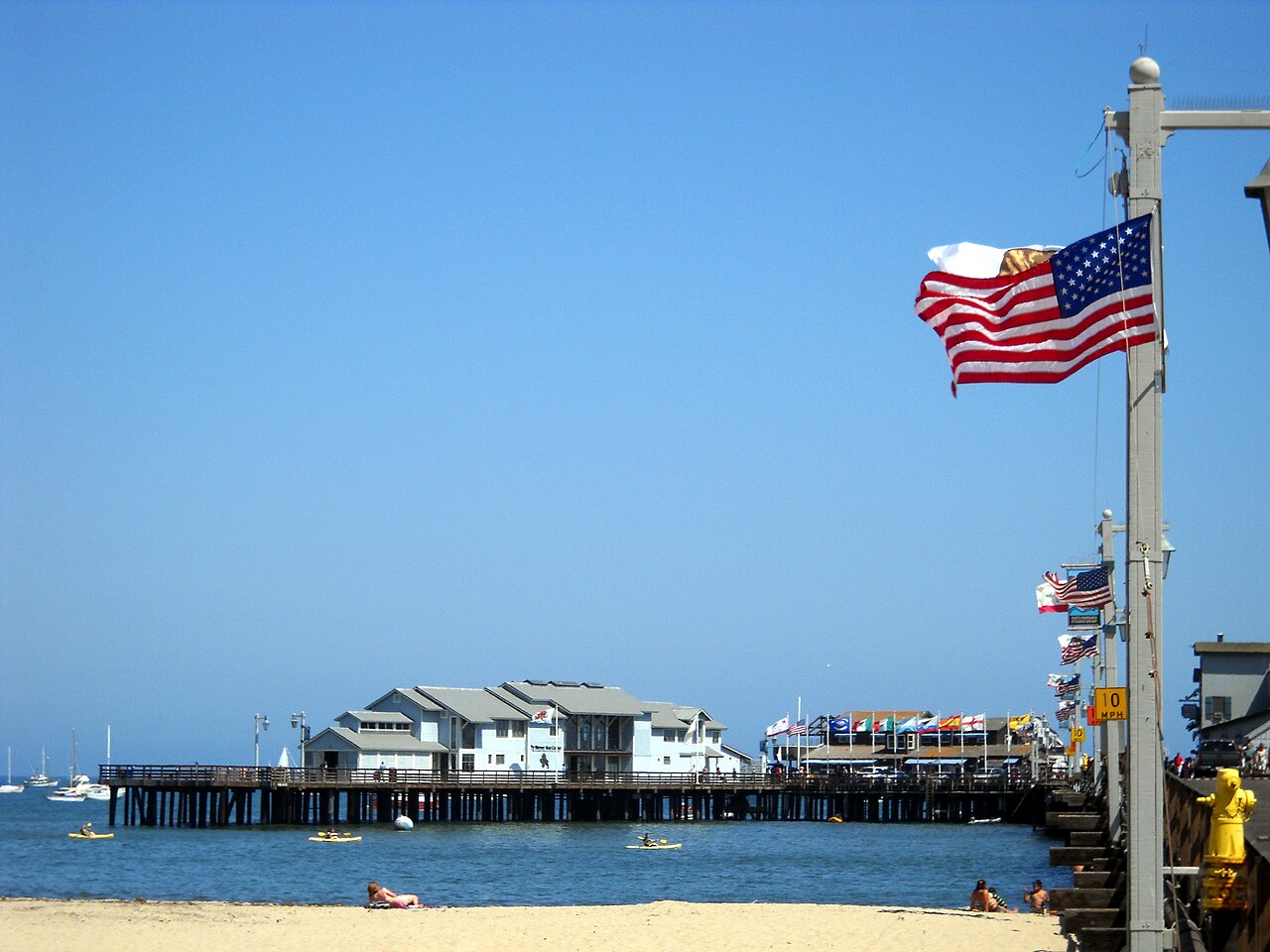
Fitting it into a trip: the harbor makes this a natural half-day with the Santa Barbara Maritime Museum next door and lunch on the breakwater, and the late-afternoon light on Shoreline Park's clifftop lawn is a short walk west. If you are torn between this and an Island Packers crossing to Santa Cruz Island, the islands win for hiking, foxes and sea caves, and the Condor Express wins for whales, time efficiency and leaving from town without a drive to Ventura. Families with children who can handle a few hours on a moving boat will find it one of the most memorable things they do in Santa Barbara.
What to expect
The experience
A narrated whale-watching trip on a 75-foot high-speed catamaran from Sea Landing in Santa Barbara Harbor into the channel toward the Channel Islands, with cabin seating, an open upper deck and a galley.
Best time
May to November for blue and humpback whales; November to mid-May for migrating gray whales. Late autumn can overlap both. Morning departures tend to be calmer.
How long
A few hours on the water depending on the trip, plus check-in time at the harbor.
Tips
Book ahead for weekends. Take seasickness precautions before boarding. Bring layers, a secure hat and sun protection. Pair with the Maritime Museum next to the dock.
Quick picks
- Best for
- Anyone who wants to see the giants of the channel without a full-day island trip.
- Families
- Dolphin pods and whale spouts thrill kids who can manage a few hours afloat; child discounts apply.
- Couples
- A morning on the water, then lunch on the breakwater and a slow harbor walk.
- Pair with
- The Santa Barbara Maritime Museum at the harbor and the Shoreline Park bluff walk.
- Time needed
- A half-day including check-in.
Good questions
What whales will we see in November?+
November is a crossover month: humpbacks and sometimes blue whales are still feeding in the channel, and the gray whale migration begins. Dolphins are seen year-round.
Where does the boat leave from?+
Sea Landing in Santa Barbara Harbor, at the west end of Cabrillo Boulevard. Allow time for harbor parking on weekends.
Is it rough out there?+
The channel can be choppy, especially in the afternoon wind. Take motion-sickness precautions before you board and sit low and central if you are sensitive.
Is it better than going to the Channel Islands?+
Different. The islands are a full day of hiking and kayaking from Ventura; the Condor Express is a shorter, whale-focused trip straight from downtown Santa Barbara.
Are there discounts for kids and seniors?+
Yes, the operator offers reduced fares for seniors and children 12 and under. Check current fares when booking.