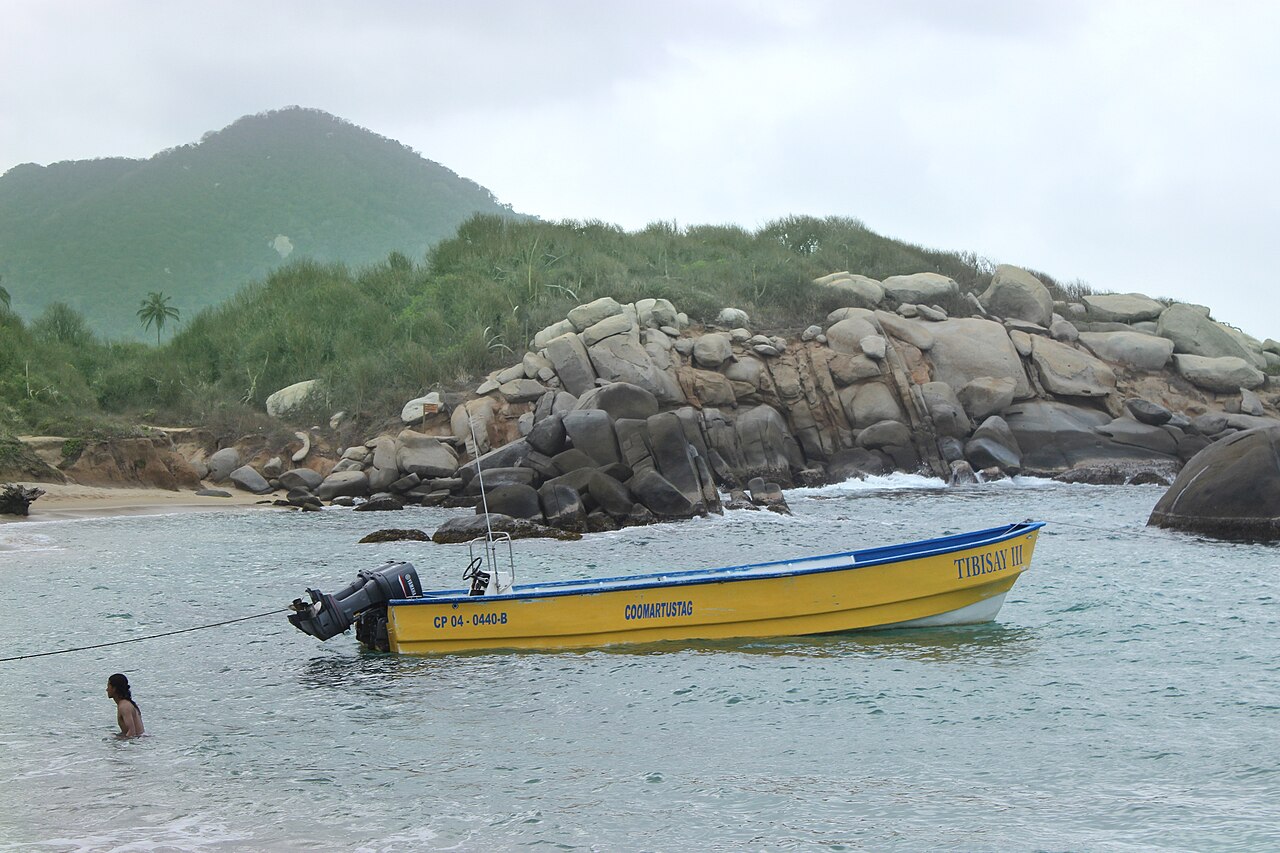
East of Tayrona the coast becomes quieter, wilder and less visited. The road toward Palomino passes a string of river mouths, driftwood-strewn beaches and small communities where rivers from the Sierra Nevada reach the sea. Mendihuaca is one of the most appealing stops, a stretch of coast with a long beach, a river mouth and a natural pool known locally as a sacred place. The nearby Buritaca river, which gives its name to the trail leading to Ciudad Perdida, also meets the sea along this coast, and Playa Los Angeles is a long, open beach with strong waves and few visitors. The tour in this product visits Mendihuaca and the sacred pool, giving you a relaxed day of walking, swimming in the river pool and exploring the shore. It suits anyone who wants an easier, less crowded alternative to Tayrona's busier trails, and it can be combined with Taironaka and Palomino on a longer coastal route.
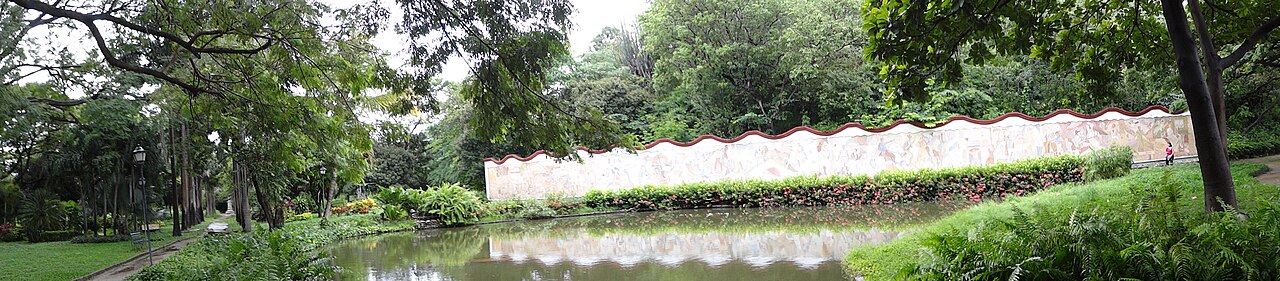
The setting makes the visit. The beaches along this part of the coast are wide, wild and often empty, with rough surf, rocky headlands and palm groves. The sea is not suitable for swimming in most places because of strong currents, so the calm river pools and natural pools are where you swim. The sacred pool is a quiet spot, and local guides often share its significance for the indigenous communities and the way the river is regarded as a living part of the landscape.
Plan for simple facilities. There are small restaurants and eco-lodges here, but fewer services than at Tayrona or in Palomino, and a good operator will arrange transport, guidance and a lunch stop. Bring a swimsuit, towel, sunscreen, repellent and sandals, plus cash for snacks or crafts. Respect posted signs and your guide's advice, particularly around river levels and beach currents, and take your rubbish with you.
Think about combining stops to build a satisfying day. A morning at Taironaka and an afternoon at Mendihuaca makes a good cultural-and-nature pair, and tubing at Palomino can fill a second day. Alternatively, spend a night in an eco-lodge near the river mouth and enjoy the quiet at sunrise, when the beach is empty and fishing boats come in.
Because tourism here is still modest, your spending is likely to make a real difference to small, family-run businesses. For travelers who have already seen the headline sights and want something calmer, this stretch of the Caribbean coast is a rewarding place to slow down.
If you can, build in a little time for silence. Sit by the river mouth, watch the waves and listen to the birds, and you may notice how different the pace feels from the busy trails of Tayrona. The coast here suits photographers, too, with driftwood, palms and layered light in the late afternoon. Carry a small bag for rubbish, because litter washes up on remote beaches, and leave the place cleaner than you found it.
Because services are limited, pack as if you will be self-sufficient for the day: water, snacks, sun protection, a towel and a small first-aid kit. Check the weather the day before, since heavy rain in the mountains can raise the rivers quickly, and ask your operator about an alternative plan. A flexible mindset and a good guide make this quieter coast one of the most pleasant days around Santa Marta.
What to expect
The experience
A day trip east of Tayrona to the Mendihuaca river mouth and sacred natural pool, with beach walks and a simple lunch.
Best time
Dry-season mornings, with calmer rivers and firmer paths.
How long
Seven to nine hours including transfers.
Tips
Bring swimwear, sandals, sun protection and cash, avoid swimming in the sea and follow your guide on river safety.
Quick picks
- Best for
- Travelers seeking quieter beaches and river pools beyond the Tayrona crowds.
- Families
- Fine with older children who enjoy walking and river swims.
- Couples
- Peaceful, scenic and uncrowded.
- Pair with
- Taironaka ruins, Palomino tubing and La Guajira.
- Time needed
- One day, or an overnight stay.
Good questions
Can I swim at the beaches?+
Usually not in the sea because of strong currents. The river pools and natural pools are the safer places.
What is the sacred pool?+
A natural pool of cultural importance to local indigenous communities, visited with guidance and respect.
Is it crowded?+
Far less than Tayrona, especially on weekdays.
Are there places to eat?+
Yes, small restaurants and eco-lodges, though choices are limited.
How far is it from Santa Marta?+
Roughly an hour to ninety minutes by road along the coastal highway.