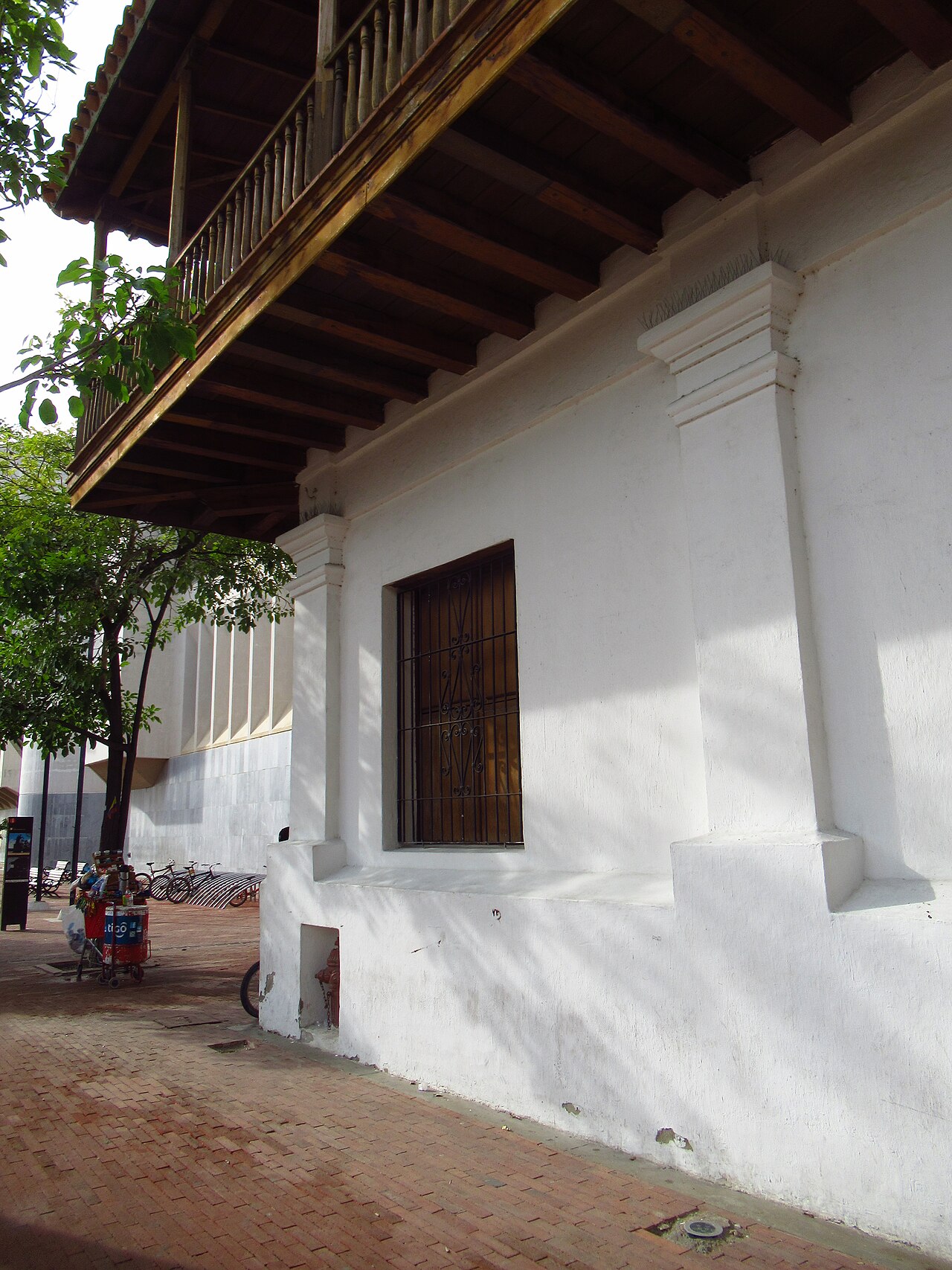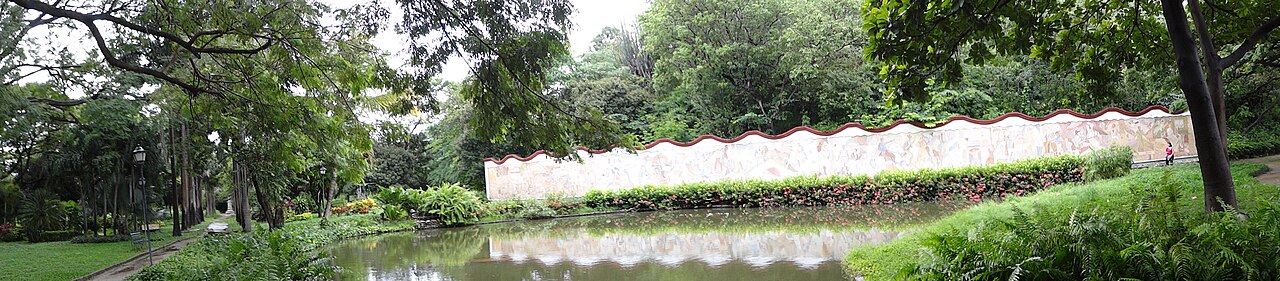
Few places in Colombia carry as much national weight as the Quinta de San Pedro Alejandrino. This former sugar estate on the edge of Santa Marta is where Simon Bolivar, the liberator of much of South America, died on 17 December 1830, ill and largely abandoned by the politics he helped shape. He had come to the Quinta as a guest of its owner, and the rooms where he spent his last days have been preserved. Visitors can walk through the main house, see the bedroom and period furniture and read the story of his final weeks, which makes it a moving stop even for people who know little about Latin American history. The grounds are as appealing as the buildings. Shaded paths run through a botanical garden with towering trees, a pond, a traditional sugar mill and a collection of tropical plants. A large monument called the Altar de la Patria stands on the estate, and a small contemporary art museum, the Museo Bolivariano de Arte Contemporaneo, houses works by Latin American artists inspired by Bolivar. The tour in this product combines the old town with a visit to the Quinta, which gives you context for both halves of the story.
History enthusiasts will find plenty to read, but the Quinta is also a pleasant place to simply spend a slow morning. The gardens are cooler than the city, with birdsong, butterflies and wide lawns, and local families use them for weekend outings. A guide can add useful context about the role of sugar estates like this one in the colonial economy, which gives depth to the heroic narrative of independence. Allow at least an hour or two to walk the grounds at a relaxed pace.
Practicalities are straightforward. The Quinta lies a short drive from the centre, so a taxi or a tour is the easiest way to arrive, and the site is usually open daily with seasonal hours that may vary on public holidays. Wear a hat and sunscreen because the paths are partly exposed, bring water and wear shoes you can walk in comfortably. Photography is generally fine outdoors, but signs inside the house and the museum may restrict flash or filming, so respect them.
Pair this visit with other historic sights. A walk through the old town, the cathedral and the Museo del Oro Tayrona fill out the story of the city from its founding in 1525 to Bolivar's death, and together they make a satisfying day for travelers who like history. Families with children can turn the Quinta into an easy nature outing as well, since the gardens give plenty of room to roam. It is one of the best examples in Colombia of a historic site that also works as a green, restful retreat from the heat.
If you enjoy history, consider reading a short biography or a few pages about Bolivar's final months before you go, since the story of his illness, his departure from power and his last days in Santa Marta gives each room more weight. Take your time in the quiet corners of the garden, where the heat eases under the trees, and allow a little time for the art museum, which offers a modern counterpoint to the historic rooms.
What to expect
The experience
A guided or self-paced visit to Bolivar's final home, with the main house, gardens, monument and a contemporary art museum.
Best time
Morning, when the gardens are cooler and quieter.
How long
One and a half to three hours, depending on how much you read and walk.
Tips
Wear a hat and comfortable shoes, bring water and check opening hours on public holidays.
Quick picks
- Best for
- History lovers and anyone curious about Bolivar's final days.
- Families
- The shaded gardens give children space to roam, though house tours are for older kids.
- Couples
- A calm, green morning away from the heat of the old town.
- Pair with
- Santa Marta Historic Centre, Museo del Oro Tayrona and a sunset sail.
- Time needed
- Half a day with a taxi from the centre.
Good questions
Why is the Quinta important?+
Simon Bolivar died here on 17 December 1830. The estate is a national monument and a pilgrimage site for people interested in Latin American independence.
What else is there to see?+
Botanical gardens, a traditional sugar mill, the Altar de la Patria monument and a museum of contemporary art.
How long should I allow?+
One and a half to three hours, depending on your pace.
How do I get there?+
It is a short taxi ride from the historic centre, and tours often combine it with an old-town walk.
Is it suitable for children?+
The gardens are, though the history may only appeal to older children. Bring water and sun protection.