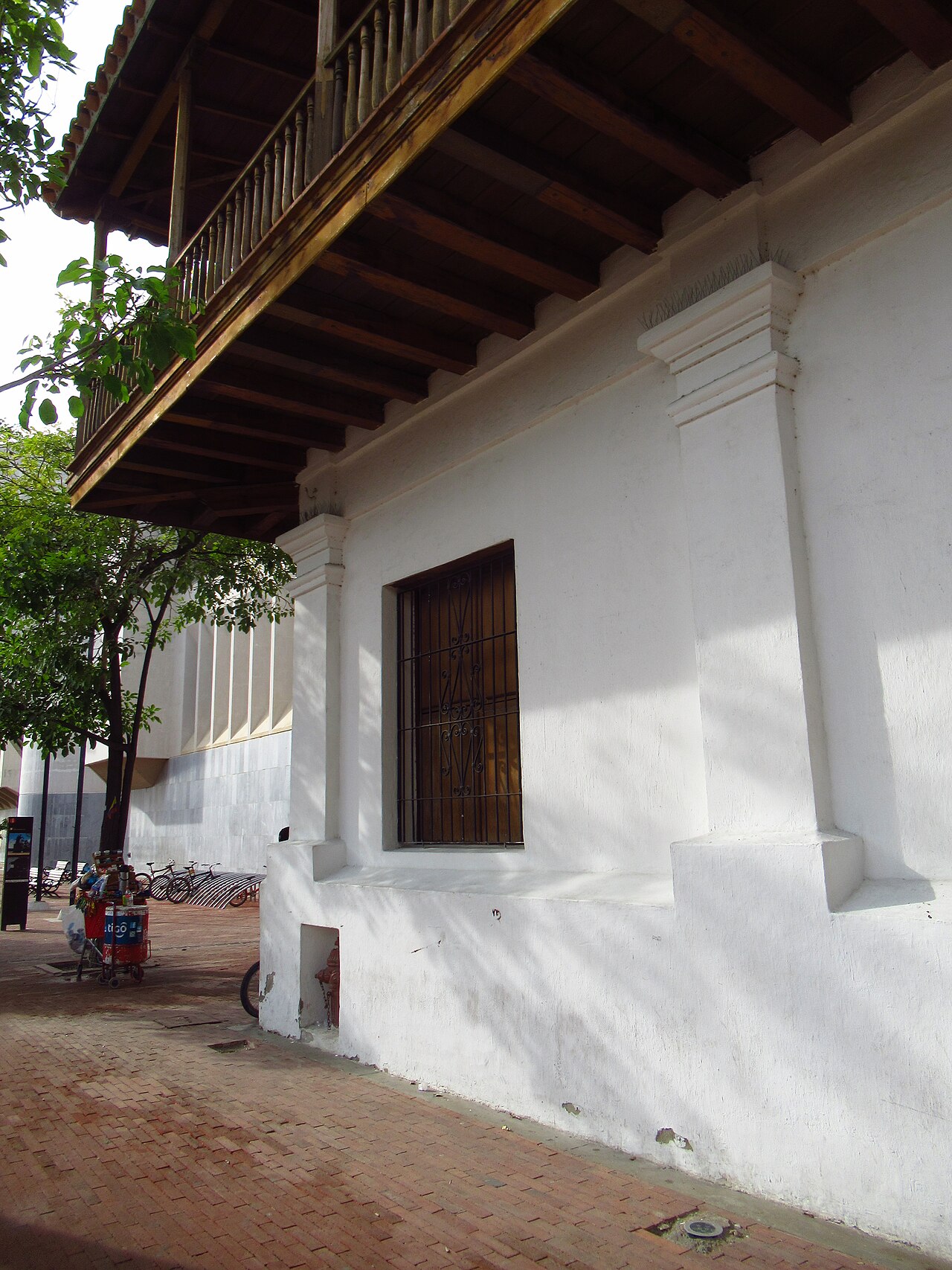
Santa Marta was founded in July 1525 by the Spanish conquistador Rodrigo de Bastidas, which makes it the oldest surviving Spanish city in Colombia and one of the oldest in South America. Much of that age is hard to see at first glance, because the city grew into a busy port and beach resort, but the historic centre rewards a slow walk. A few blocks back from the bayfront you find a grid of low colonial houses with balconies and heavy doors, small plazas shaded by trees, and a cathedral that anchors the neighborhood. Parque de los Novios, the pedestrian streets around Carrera Quinta and Carrera Tercera, and the old customs buildings by the water all sit within an easy stroll of each other. A guided walking tour turns that stroll into a story. Your guide explains how Santa Marta rose and fell as a port, how pirates and privateers raided it, why Simon Bolivar's final days were spent here and how the fishing and banana trades shaped the town. The tour in this product is a city tour of history, culture and Caribbean charm, which suits anyone who wants an overview on their first day or a gentle morning before the heat of the afternoon.
The cathedral deserves a few minutes of its own. The Catedral Basilica de Santa Marta, built in stages over the eighteenth century, is often described as the oldest church in Colombia and holds a memorial to Bastidas. Around it you will find the Plaza Bolivar, small shops selling hats and hammocks and busy cafes where locals take their coffee.
In the evening the pedestrian streets fill with restaurants, bars and street performers, and the energy of the place is entirely different from the quiet of the morning. A day walk and a night wander show two sides of the same neighborhood.
A few tips make the experience smoother. The centre is hot and humid for most of the year, so start early or in the late afternoon, carry water and wear a hat. Keep your phone and valuables discreet as you would in any busy Latin American city. Many sights are small and the buildings are modest, so go with realistic expectations: this is a city with a long past rather than a showpiece restored for tourists, and its charm lies in everyday life as much as in monuments.
Ask your guide for restaurant and coffee recommendations, since they often know the places locals prefer.
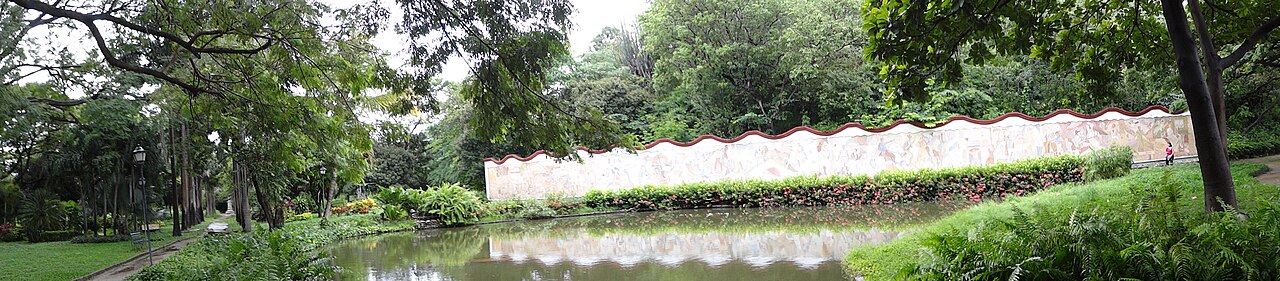
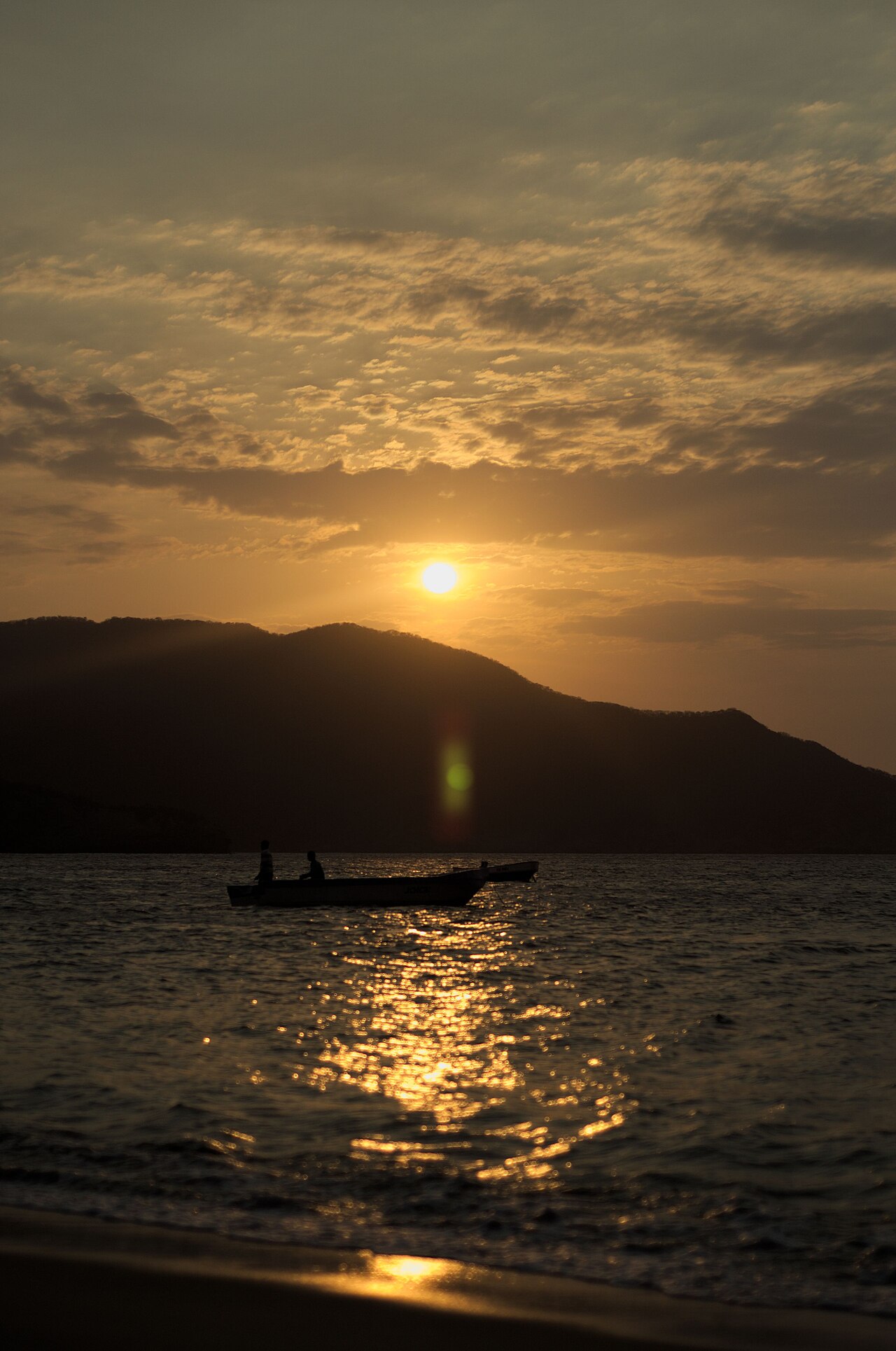
Combine the walk with other nearby stops. The Museo del Oro Tayrona sits in the old customs house on the bay side of the centre, the waterfront promenade is perfect for sunset, and the Quinta de San Pedro Alejandrino is a short taxi ride away. If you only have one day in town before heading out to Tayrona or Minca, a morning in the old centre gives you context for everything else you will see, from the indigenous communities of the Sierra Nevada to the colonial port itself.
For the best experience, build in unscheduled time. Sit in a plaza with a coffee, watch the street life and let the guide's stories sink in. Look up at the balconies and carved doors, notice the murals and small galleries tucked into side streets and ask about the history of individual buildings. Evenings add another layer, with live music, street performers and open-air tables, so consider returning after dark for dinner, using a taxi or a ride app for the trip back.
What to expect
The experience
A guided walk through the old town, covering the cathedral, plazas, colonial streets and the bayfront.
Best time
Early morning or late afternoon, when it is cooler and the streets are lively.
How long
Two to three hours at an easy pace.
Tips
Carry water, wear a hat, keep valuables out of sight and ask your guide for local food recommendations.
Quick picks
- Best for
- First-time visitors who want orientation and local history on day one.
- Families
- Fine for school-age children who enjoy a stroll; plan ice cream stops.
- Couples
- A pleasant evening walk with dinner in a plaza.
- Pair with
- Museo del Oro Tayrona, the Quinta de San Pedro Alejandrino and a sunset sail.
- Time needed
- Half a day including coffee and a museum stop.
Good questions
Why is Santa Marta historically important?+
It was founded in 1525 and is the oldest surviving Spanish city in Colombia. It was also the last home of Simon Bolivar before his death in 1830.
How long does the walking tour take?+
Typically two to three hours, depending on the pace and how many stops you make.
Is the old town safe to walk?+
It is a busy, central area, and travelers should use the same common-sense precautions they would in any city: keep valuables out of sight and stay in lit, busy streets at night.
What is the best time to go?+
Early morning or late afternoon, when the heat is lower. The evenings are lively with restaurants and street music.
Can I combine it with other sights?+
Yes. The gold museum, the cathedral, the promenade and the Quinta de San Pedro Alejandrino are all close by.