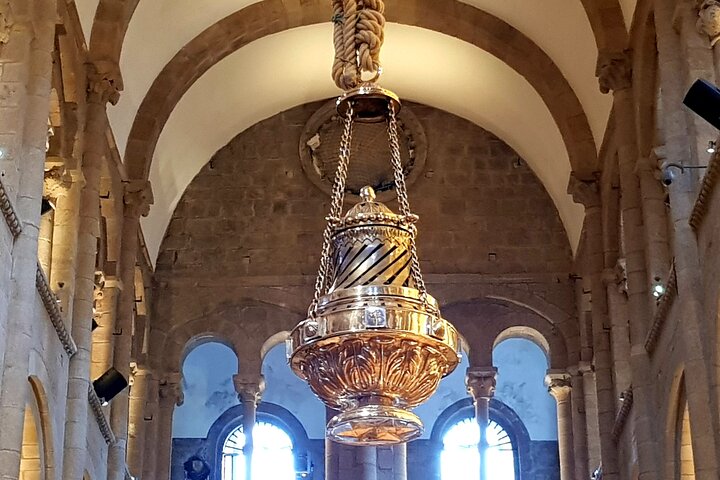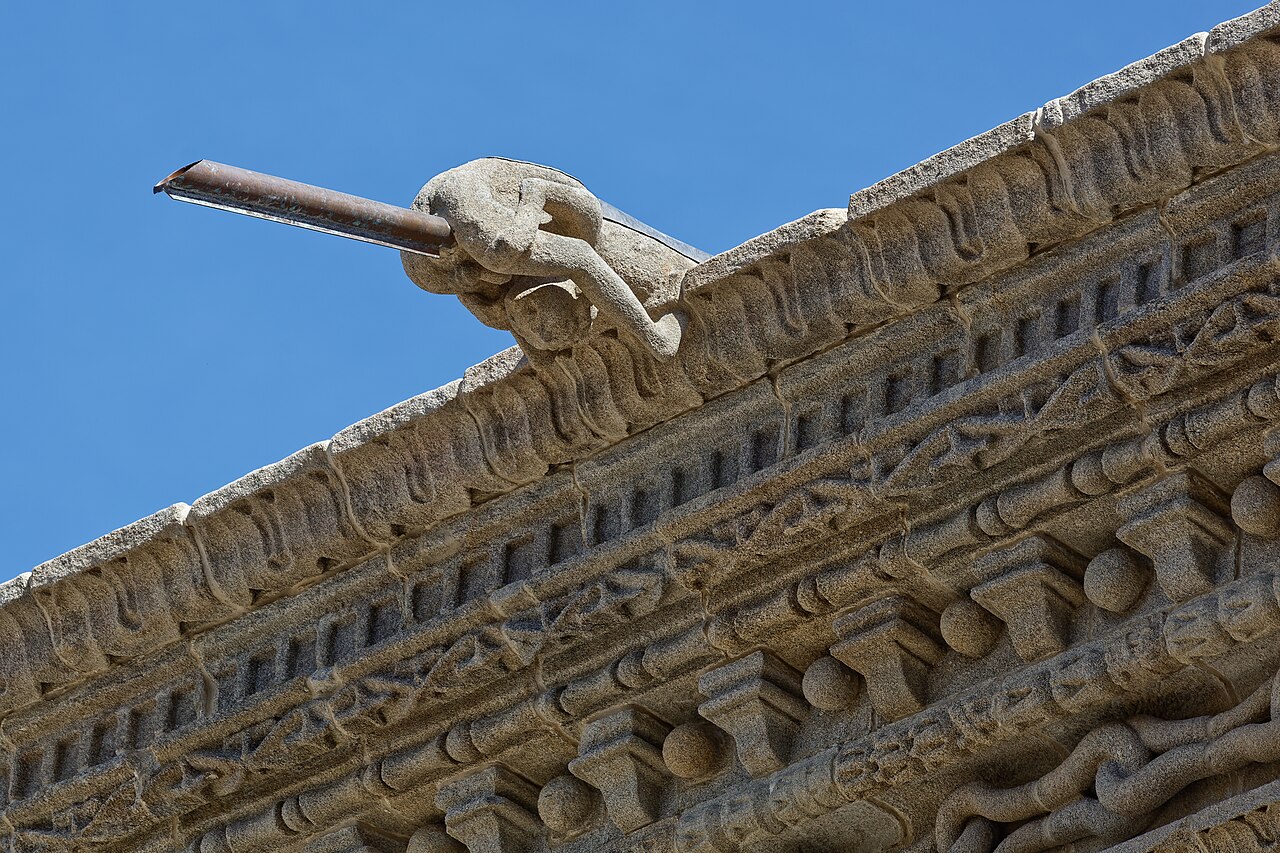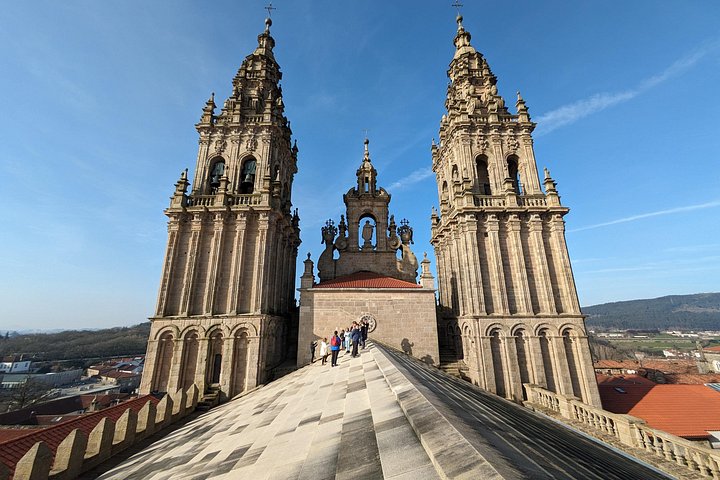
The Cathedral Museum is where Santiago keeps the things that the church itself cannot display in the open: medieval goldsmithing, tapestries woven after designs by famous painters, the old choir stalls and architectural fragments that tell the story of the building. A guided tour that links the museum to the cathedral and the old city is a good way to see the whole picture without planning every ticket yourself. The route moves from the Romanesque church to the cloister and treasury, then out into the lanes that still follow medieval patterns. Museums can overwhelm if viewed without context, so a guide is a real asset here. The collections include Romanesque stone carving, Baroque altar pieces, pieces of the old high altar and the archaeological remains that show how the site was used before the cathedral was built. A skilled guide connects these to the pilgrim story and to the political and religious power of the medieval church.
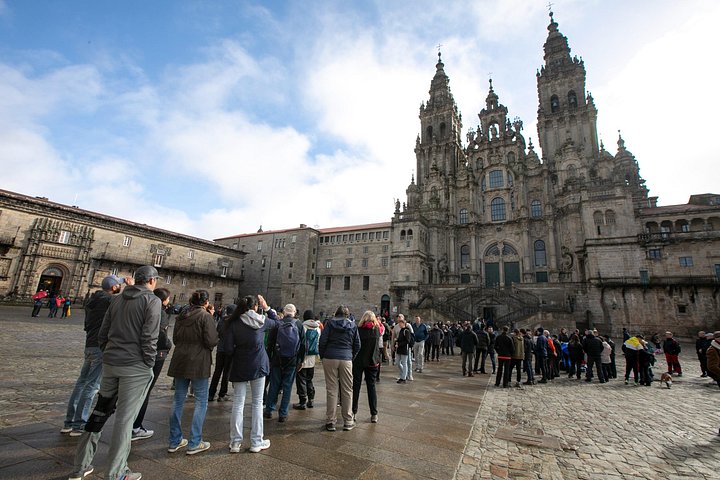
Expect to spend about two hours in total. The tour usually begins in or near the Praza do Obradoiro, enters the cathedral and then moves through the museum, which is housed in the cloister and adjoining rooms. Highlights include the treasury with its precious objects, the chapter house, the Gothic cloister with its quiet garden and the archaeological area beneath the building. Guides often spend time on the Portico of Glory and the carved capitals, explaining how stone carvers told Bible stories to people who could not read.
The old city part of the tour is where history meets daily life. The group walks past former pilgrim hospitals, the Praza das Praterías and the lanes where silversmiths worked. The guide may point out the streets where students gather, the baker's shops that sell the almond tart of Santiago and the corners where legends were set. By the end you will have a clear mental map, and you can return to the places you liked best at a slower pace.
Tickets and timing matter. Museum rooms are limited in capacity, so book ahead in summer, and be ready for a short queue at security. The museum has stairs, but there are lifts in some areas, so ask about accessibility. Photography rules vary by room, and flash is usually not allowed.
If you are travelling with children, a shorter visit may be wise, since the museum rooms are quiet and require patience. Cloakrooms are usually available for bags, which makes the visit more comfortable. Pair the tour with lunch on the Rúa do Franco or a stroll to the Alameda for a relaxed afternoon.
It helps to pace yourself. Do the cathedral first, when you are fresh, then the museum, then take a long, slow lunch before the old city walk. If you have a special interest, such as tapestries, goldsmith work or archaeology, tell the guide at the start so they can linger where you want.
The museum shop sells good books and reproductions, and the cafes near the cloister offer a calm place to sit. Families can ask for a shorter version or skip the museum and focus on the cathedral and the lanes, which are easier for restless children.
What to expect
The experience
A guided walk through the cathedral, its museum and the surrounding old city.
Best time
Morning, to avoid the afternoon crowds and see the cloister in good light.
How long
About two hours.
Tips
Book ahead in summer, check accessibility and leave large bags in a cloakroom.
Quick picks
- Best for
- Visitors who want depth without arranging separate tickets.
- Families
- Better for older children with some patience.
- Couples
- A thoughtful, atmospheric morning.
- Pair with
- The Portico of Glory, the Rúa do Franco and a pilgrims' mass.
- Time needed
- Two hours or a little more.
Good questions
What is in the cathedral museum?+
Treasury pieces, tapestries, stone carvings, archaeological remains and the cloister, among other rooms.
Does the ticket include the Portico of Glory?+
This depends on the product, so check the description when you book.
Is the museum accessible?+
Some areas have lifts, but there are also stairs. Ask the operator about your needs.
Can I take photos?+
Rules differ by room. Follow signs and the guide's instructions.
Is the tour suitable for children?+
Older children can enjoy it, though the museum is quiet and calls for patience.