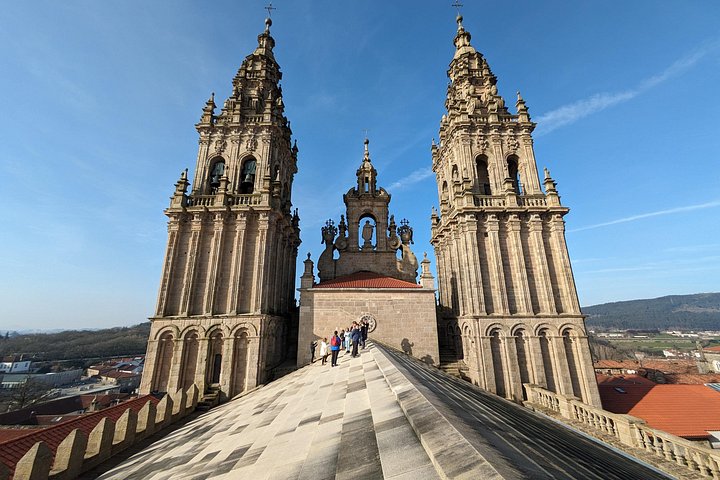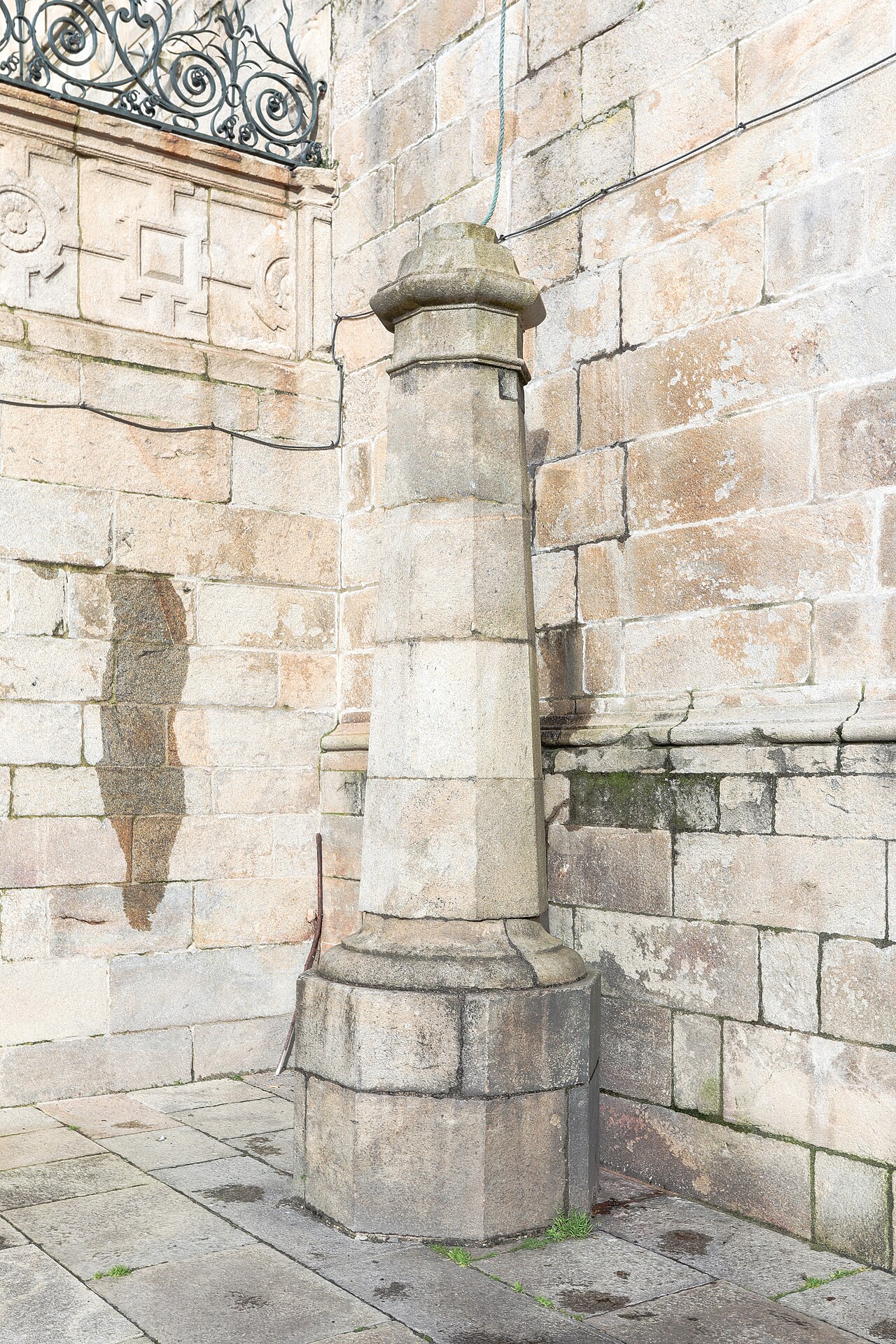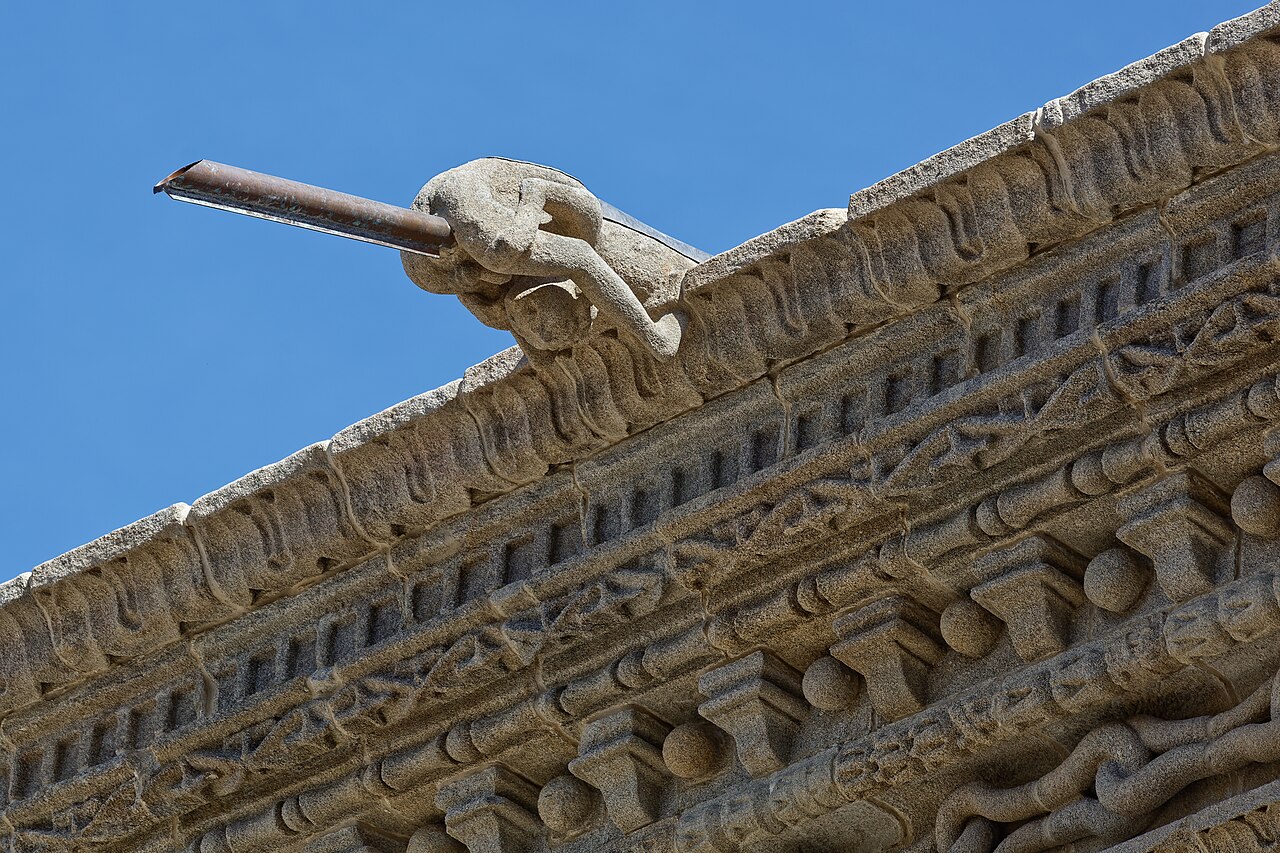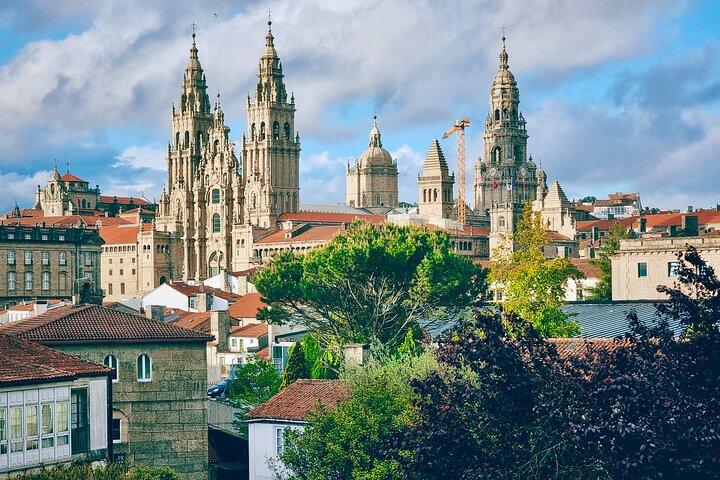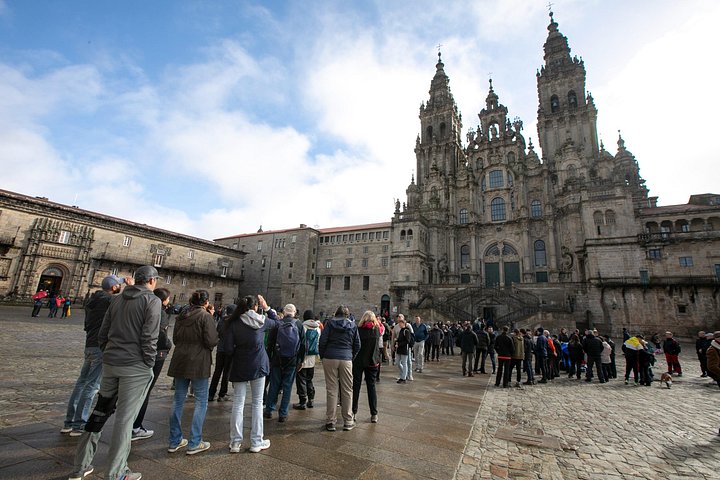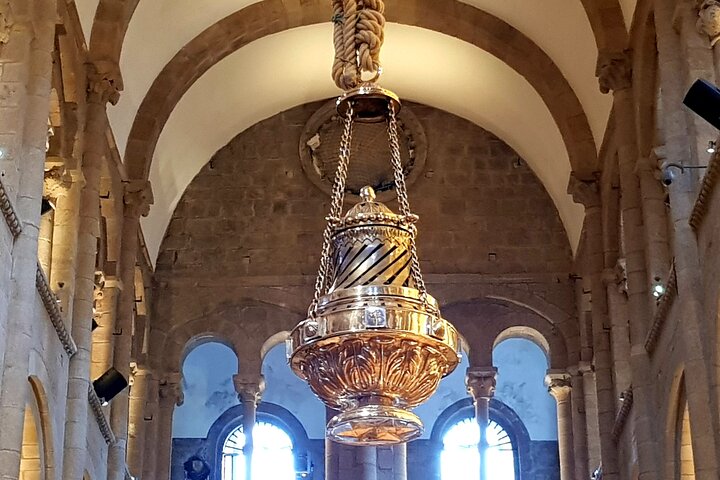
The Cathedral of Santiago de Compostela is the reason the city exists. Pilgrims have walked here since the early Middle Ages to reach the shrine of Saint James the Apostle, and the building they arrive at is a layered masterpiece: a Romanesque core begun in the eleventh century, a Gothic and Renaissance cloister and chapels added over the centuries, and a towering Baroque west front that glows gold in evening light above the Praza do Obradoiro. Inside, the nave is long and austere in the old Romanesque way, with granite vaults, a gallery for pilgrims above the aisles and a high altar that glitters with gilded Baroque decoration. A timed or skip-the-line visit is worth considering because the cathedral draws large crowds, especially in summer and around the Holy Years. A booked entry lets you walk in with less waiting, and a guided version adds the stories that make the stonework come alive: the legend of the saint's relics arriving by stone boat, the medieval pilgrim hospitals, and the meaning of each doorway. Most visitors spend between one and two hours inside, longer if they add the museum, the crypt or the rooftop.
Begin on the Obradoiro side and step back far enough to take in the Baroque facade, then go in through the main doors and walk slowly toward the Portico of Glory, the Romanesque triple doorway carved in the late twelfth century by Master Mateo. Its central column bears the seated figure of Saint James, and the pillar below it is worn smooth by centuries of pilgrims who rested their hands in a ritual of arrival.
Access to the Portico is managed to protect it, so check how your ticket works and expect to reserve a time slot in busy months. Behind it, the carved figures of the elders of the Apocalypse still carry traces of painted colour.
Continue to the high altar, where tradition lets visitors climb a narrow stair behind the figure of the saint and embrace it, a gesture that closes the pilgrimage for many walkers. The crypt below holds the silver reliquary said to contain the remains of Saint James and two of his disciples. Visitors should dress modestly, keep voices low and avoid photography in the areas marked for prayer. Large backpacks are not allowed inside, and a cloakroom is usually available nearby, so travel light for the day.
Plan around the rhythm of the building. Mornings are quieter before the noon pilgrims' mass fills the nave, and late afternoon is calmer once most tour groups have moved on. The cathedral is an active place of worship, so some areas close during services. Pair the visit with a walk around the exterior to see the Silversmiths' Doorway and the Holy Door, which opens only in Holy Years, then finish with a coffee on one of the arcaded streets.
If you are short of time, the cathedral and the square together make a perfectly good half day, and if you have more, add the museum and the rooftops on a second visit.
Context helps before you go in. The shrine grew from a ninth-century discovery of what was believed to be the apostle's tomb, and the city became one of the three great pilgrimage destinations of medieval Christendom, alongside Jerusalem and Rome. The scallop shell, the symbol of Saint James, appears across the stonework, on pilgrims' backpacks and in the city's street signs. Knowing this makes the many carved shells and the worn steps more meaningful, and it explains why so many visitors arrive tired, emotional and quietly happy.
What to expect
The experience
A visit to the interior of the cathedral with a fast-entry ticket, usually combined with an audio or live commentary on the building and the saint.
Best time
Early morning or late afternoon, outside the hour of the pilgrims' mass.
How long
About one to two hours, depending on how much of the building your ticket covers.
Tips
Dress modestly, leave large bags in a locker, check what your ticket includes, and book ahead in summer and Holy Years.
Quick picks
- Best for
- Every first-time visitor, and anyone who wants to understand why the city is a pilgrimage destination.
- Families
- Children usually enjoy the legends and the scale of the building, though the long stand-up visit can tire the very young.
- Couples
- A quiet, atmospheric morning followed by a glass of wine on the Rúa do Franco.
- Pair with
- The Praza do Obradoiro, the cathedral museum and the rooftop tour.
- Time needed
- Allow a generous hour or two.
Good questions
Is the cathedral free to enter?+
Entry to the main church is generally free to visitors, while the museum, the rooftops and the Portico of Glory visit are ticketed. A booked visit with fast entry adds convenience and often a guide.
Can I see the Portico of Glory?+
Yes, but access is by timed ticket to protect the carving, so reserve in advance in busy months and check the current rules before you travel.
Can I hug the statue of Saint James?+
Tradition allows visitors to climb the stair behind the high altar to embrace the figure. Access can be limited at busy times and during services, so follow the instructions on the day.
What should I wear?+
Modest clothing that covers shoulders and knees is the polite choice. Bags over a certain size are not allowed inside, so leave large packs at your hotel.
When is the Holy Door open?+
The Holy Door opens only in a Holy Year, which comes when 25 July falls on a Sunday. In other years it stays sealed and is visible from the Praza da Quintana.