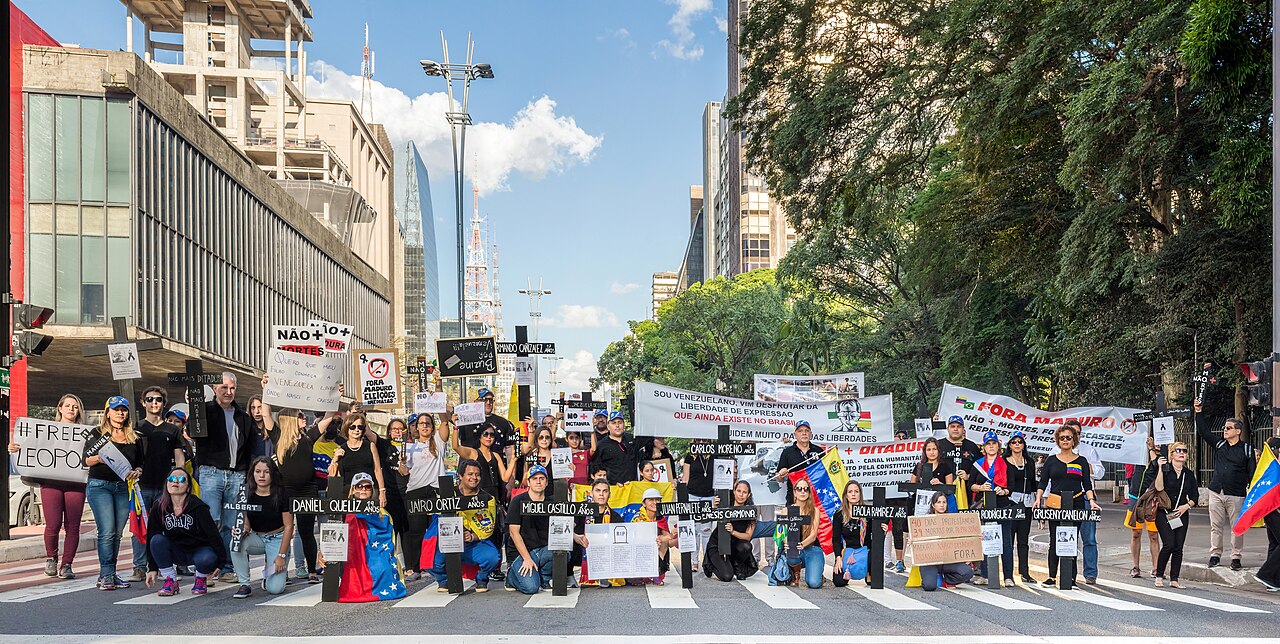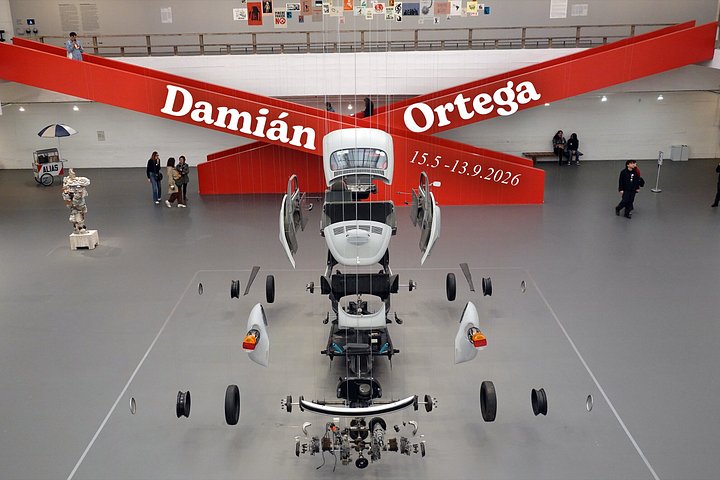
MASP is the symbol of modern São Paulo. The museum was founded in 1947 and now occupies a building on Avenida Paulista designed by Lina Bo Bardi, a bold red box held up by two huge beams so that the space beneath stays open to the public. Inside, the permanent collection is hung on glass easels in a single wide hall rather than on walls, so you walk between works from different centuries and countries as if through a forest of paintings. The holdings include major European names, Brazilian modernists and a growing programme of contemporary and Afro-Brazilian art, and the temporary exhibitions are often among the most talked-about in the city. The free open space under the building hosts a Sunday antiques fair and many public events. MASP is both a serious museum and a good lesson in how São Paulo uses architecture to make room for the street.
Plan for two hours if you enjoy art and one if you want only the highlights. Start in the main permanent collection floor, where the glass easels let you see the back of each work and read its story, then go up or down to the temporary shows. The wide covered span beneath the building is a destination in its own right, and it is at its liveliest on Sunday when stalls fill the space.
Entry is ticketed, with reduced prices for students and seniors, and the museum is free for every visitor on Tuesdays and during an evening slot on Fridays. Free days draw crowds, so go on a weekday or early in the day if you want to look at the paintings in peace. The museum is closed on Mondays, opens later in the day on Thursday, and normally keeps shorter hours on a few holidays, so check the visit page before you go. Tickets can be bought online, which saves time on busy days.
MASP sits on Avenida Paulista, so it combines well with a walk along the avenue, the Trianon park across the road and a coffee at one of the nearby cafes. The Trianon-MASP metro station is next door, which makes it the easiest major museum in the city to reach without a car. Photography is usually allowed in the permanent galleries but not always in special exhibitions, so follow the signs.
What to expect
The experience
A self-guided visit through a wide open hall of paintings on glass easels, with temporary exhibitions on the other floors and an open public space under the building.
Best time
A weekday morning for the quietest galleries, or a Sunday for the antiques fair under the building, though the museum itself is busiest on free days.
How long
Plan one to two hours for the permanent collection and one or two temporary shows.
Tips
Check the visit page for closing days and free-entry times, buy tickets online on busy days, and go on a weekday if you want space to look.
Quick picks
- Best for
- First-time visitors, art lovers and anyone curious about modernist architecture.
- Families
- Older children enjoy the easels and the open space underneath, but the quiet galleries suit short visits with young ones.
- Couples
- Visit in the afternoon, then walk along Avenida Paulista and have dinner nearby.
- Pair with
- Avenida Paulista on foot, the Pinacoteca on another day and a meal in the Jardins.
- Time needed
- One and a half to two hours for the main collection.
Good questions
Is MASP free to visit?+
Entry is free for all visitors on Tuesdays and in an evening slot on Fridays, and for children under 11, MASP Friends and visitors with disabilities. At other times there is a ticketed price with reductions for students and seniors.
When is MASP closed?+
The museum is closed on Mondays and on a handful of holidays at the end of December and on New Year's Day. It stays open later on Thursday, so check the visit page before you travel.
How do I get to MASP?+
The Trianon-MASP metro station on the Green Line is next to the building on Avenida Paulista. Ride-hailing cars and buses also stop along the avenue, and parking nearby is available for a fee.
Why is the building raised on beams?+
Architect Lina Bo Bardi wanted to keep the view and the space under the museum open to the city. The covered span is now a public square used for fairs, protests, concerts and gatherings.
How long do I need?+
Allow about two hours to see the permanent collection and one temporary exhibition. A quick visit of the highlights can be done in an hour.