São Paulo has more descendants of Italian immigrants than most cities in Italy, and Mooca is where much of that story unfolds. A guided cultural walk takes you through a neighbourhood of old factories, brick villas, small churches and family bakeries, with a local guide who explains how Italian families shaped the dialect, the food and the politics of the city. It is an easy, affordable and very human way to see a part of São Paulo that rarely appears on postcards, and it often ends with a coffee or a pastry that tastes of the old country.
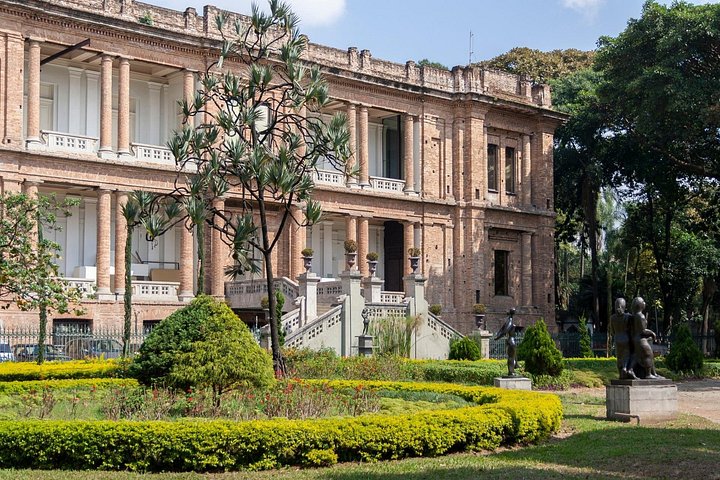
The route varies, but expect to see tree-lined streets, worker housing, former factories and the parish church that anchors community life. The guide shares tales of immigrant arrivals, the textile and food industries, the festivals that still bring the neighbourhood together and the way Italian words slipped into Paulistano speech. Photographs from old family albums sometimes appear, giving faces to the stories.
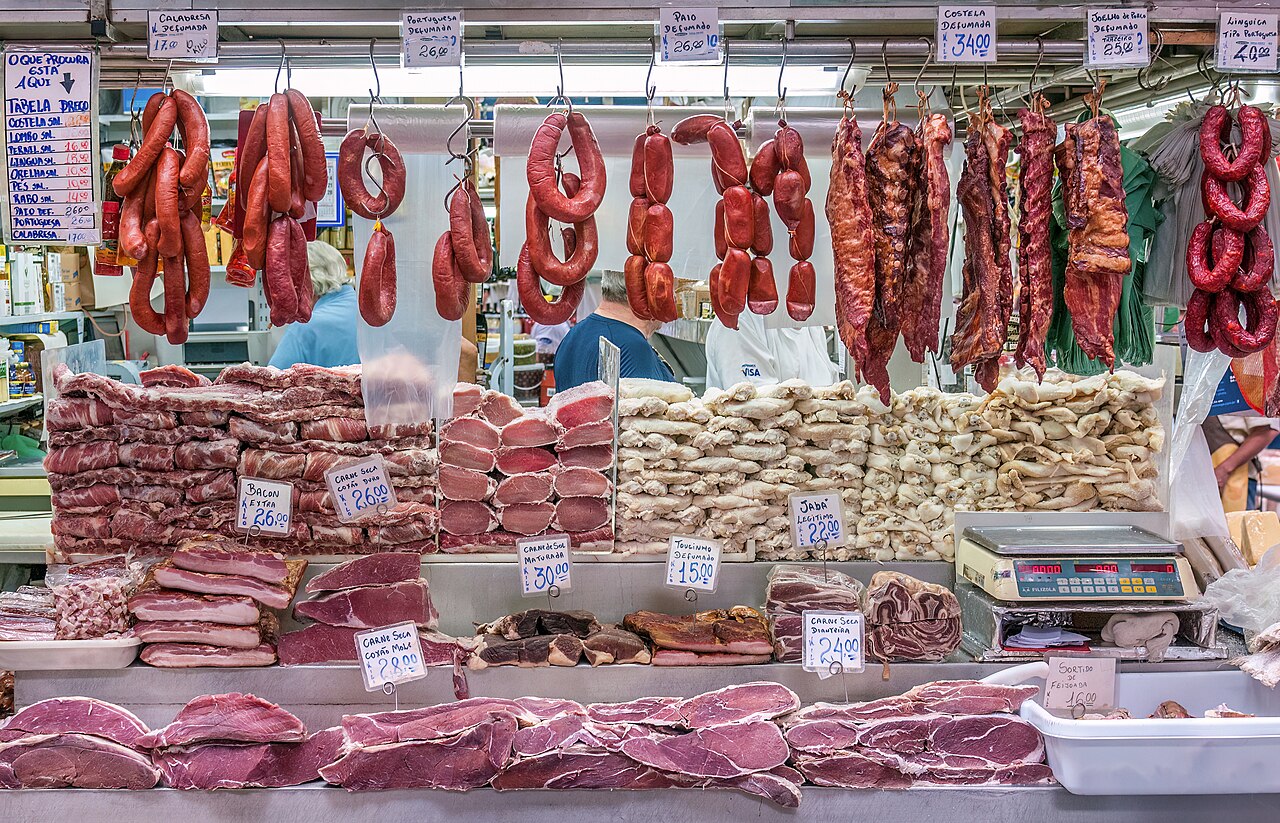
Food is a highlight. Mooca is known for bakeries, cantinas and cafes serving pasta, pizza, sweets and strong coffee, and some tours include a tasting stop. Check what is included when you book, and tell the guide about any dietary needs. If your walk does not include a meal, ask for recommendations; local places are often far better and cheaper than the tourist restaurants.
Practicalities are easy. The neighbourhood is flat and the walk is gentle, so most people can manage it comfortably. Wear sun protection and comfortable shoes, carry water and keep valuables secure. The district is residential and quiet, so weekday daytimes or weekend mornings suit best. Some sights, such as the church or small museums, may have limited opening hours, so confirm times with the operator.
This tour is a good complement to the Japanese Immigration Museum and Liberdade, which together show how migration shaped the city. It also pairs with the Museu do Futebol or a food tour in the centre, building a day that moves across communities. Confirm the meeting point, the language of the tour and the cancellation terms when you book, and arrive a little early.
A little history helps the streets come alive. At the end of the nineteenth century, thousands of Italian families arrived to work on coffee plantations and in new factories, and many settled in districts such as Mooca, Brás and Bexiga. They opened bakeries, built churches, founded mutual aid societies and celebrated saints' days with processions and food.
Football clubs, newspapers and political groups grew out of these communities, and the neighbourhood accent became a part of local culture. Look out for the old factory chimneys, the pastel facades and the family names above shop doors. If you enjoy the stroll, ask the guide about the local festival calendar and where to find a good cantina for dinner.
Bring a little cash for bakeries, since small family businesses sometimes prefer it, and carry a light bag for pastries or bread you decide to take away. If you have Italian roots, tell the guide before the walk; many residents are happy to share stories and recommend places to visit. Take your time, sit down for a coffee and watch the neighbourhood go by.
What to expect
The experience
A guided walking tour of the Mooca district focused on Italian immigration, food and local life.
Best time
Weekday daytimes or weekend mornings, when bakeries are open and the streets are calm.
How long
Around two to three hours.
Tips
Wear comfortable shoes, bring water and ask the guide for lunch recommendations.
Quick picks
- Best for
- Curious travellers who like neighbourhood stories more than monuments.
- Families
- Fine for families, though the content is aimed at adults.
- Couples
- A relaxed, flavoursome stroll for couples.
- Pair with
- Liberdade or the Japanese Immigration Museum for a migration theme.
- Time needed
- Half a day or less.
Good questions
Why is Mooca associated with Italians?+
It was a destination for Italian immigrant workers in the late nineteenth and early twentieth centuries.
Is food included?+
It varies. Check what is included when you book.
Is the walk easy?+
Yes, the district is flat and the route is gentle.
How do I get there?+
Take the metro or a ride-hailing car to the meeting point.
Is the tour in English?+
Check the language of the tour when you book.