São Paulo is one of the great food cities of the world, shaped by Italian, Japanese, Lebanese, Portuguese and Afro-Brazilian cooking, and the best way to understand it is to eat. This guided food tour is built around more than twelve tastings, so you leave full and with a clear sense of what Paulistanos actually eat, from savoury pastries and cheese bread to grilled meats, sweets and strong coffee. A local guide leads you between stops, explains each dish and gives the stories behind it, which turns a simple lunch into an introduction to the city. It is an excellent first-day activity because it also orients you, showing you the streets, the corner bakeries and the places locals return to.
Tastings are small, so the tour works as a progressive meal rather than a heavy sit-down. Typical Brazilian bites include pão de queijo, coxinha, pastel, empanadas and grilled meats, and the sweet side usually includes brigadeiros and fresh fruit juices, though the exact menu depends on the route and the season. Read the product description to see what is included and ask the guide about anything you want to try beyond the tastings. Vegetarians and people with allergies should say so at booking, because small operators can adjust the stops when they know in advance.
The route is on foot, with gentle walking between stops, so wear comfortable shoes and bring a light layer. Rain showers are common in the summer months, and a compact umbrella is useful. Arrive hungry and skip a big breakfast. If you plan to do the tour at lunchtime, treat it as your main meal and book dinner later or choose something light. Many visitors choose the tour on their first day, since it gives them a list of dishes and neighbourhoods to return to over the rest of the trip.
What makes a food tour in São Paulo worthwhile is the cultural mix that appears on the plate. The city has the largest Japanese community outside Japan, a deep Italian heritage that shows in its pizza and pasta, Lebanese and Syrian snacks that became everyday street food, and northeastern Brazilian cooking brought by migrants over many decades. A guide ties these threads together and points out the places that tourists miss. You also pick up the practical vocabulary for ordering, tipping and handling a menu, which helps on the days when you explore alone.
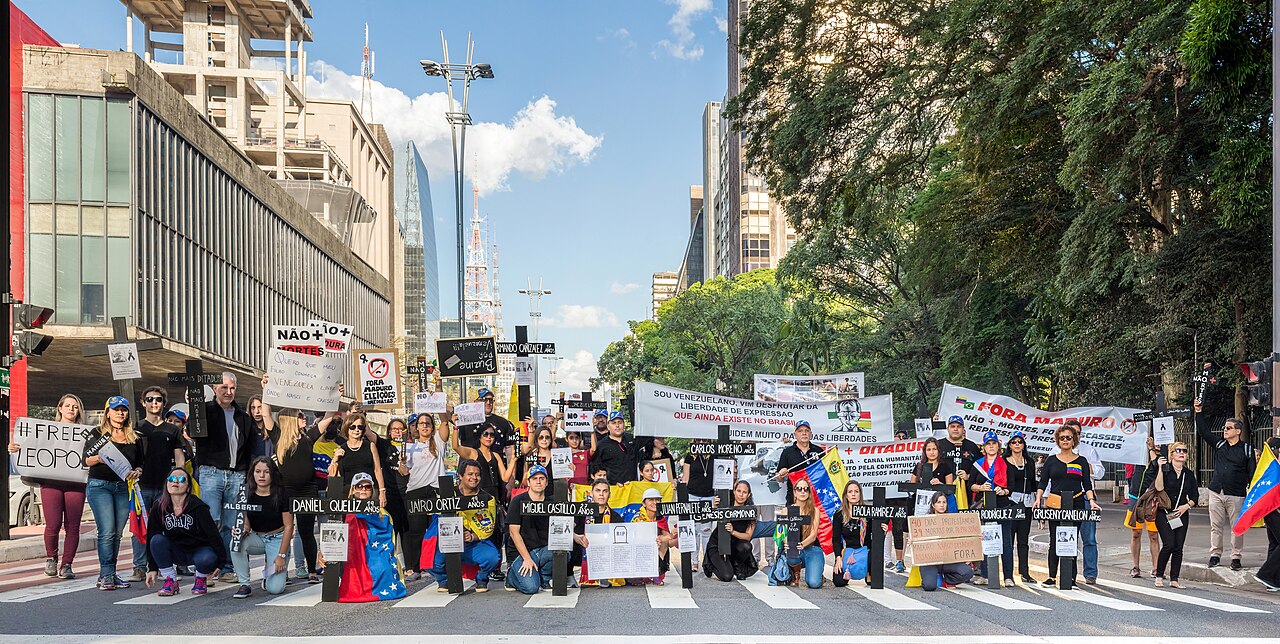
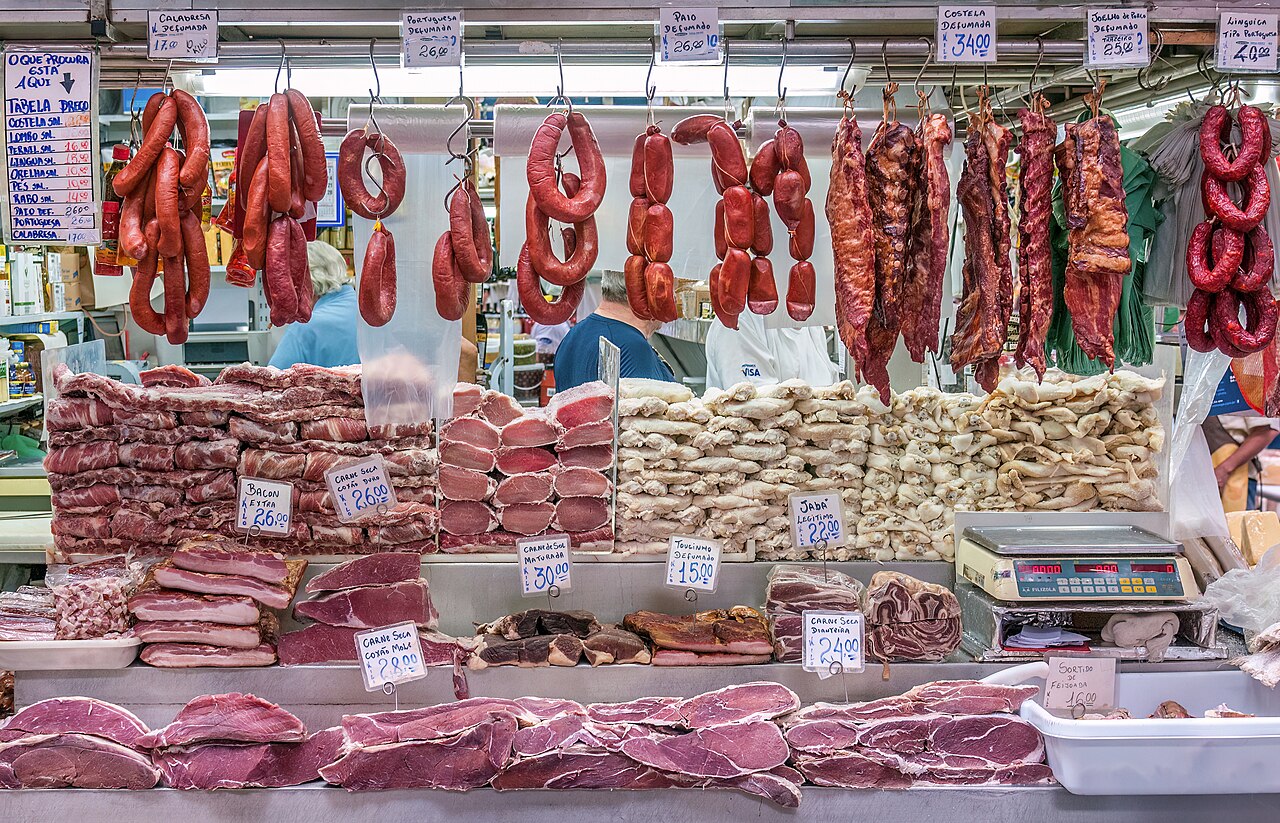
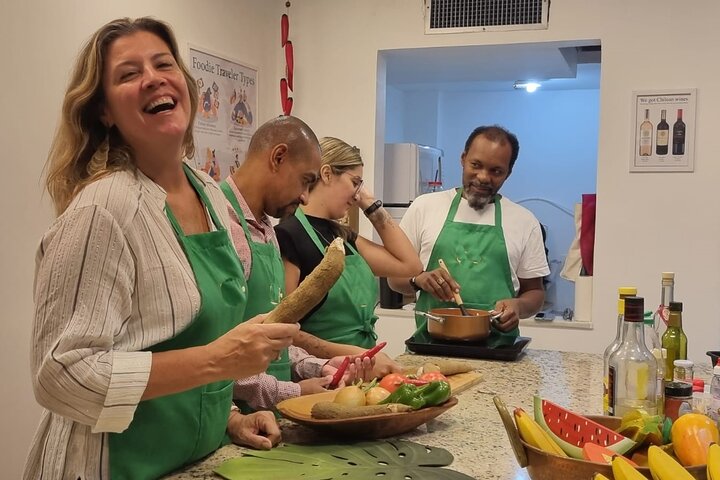
Pair the tour with a visit to MASP and a stroll along Avenida Paulista in the afternoon, or with the Mercadão on another day for a different style of eating. Compare it with the cooking class if you prefer to learn techniques and cook for yourself, because the tour is about tasting and the class is about doing. Confirm the meeting point and the start time, bring a little cash for extra snacks and a drink, and keep the cancellation terms in mind in case of heavy rain.
What to expect
The experience
A guided walking tour that stops for a dozen or more small tastings of Brazilian and Paulistano favourites.
Best time
Late morning or lunchtime, when the neighbourhood eateries are busiest and the tastings count as a meal.
How long
Around three to four hours including the walking between stops.
Tips
Arrive hungry, wear comfortable shoes, tell the operator about allergies or vegetarian needs and bring a little cash for extras.
Quick picks
- Best for
- First-time visitors and food lovers who want a guided introduction to Brazilian dishes.
- Families
- Works well for older children who like to try new foods; tell the operator about any allergies in advance.
- Couples
- A relaxed, sociable activity and a good first-day orientation.
- Pair with
- MASP and Avenida Paulista in the afternoon, or the Mercadão on another day.
- Time needed
- Half a day, treated as a main meal.
Good questions
Is the tour a full meal?+
The tastings are small but plentiful, and most people find it covers a meal. Skip a large breakfast and check the product description for what is included.
Can the tour handle dietary needs?+
Often yes if you tell the operator when you book. Mention vegetarian needs and allergies in advance so the guide can adjust the stops.
Is it a lot of walking?+
The walking is gentle, with frequent stops, but wear comfortable shoes and bring water.
What happens in rain?+
Tours usually run in light rain, so bring a compact umbrella. Check the cancellation terms for heavy weather.
How is it different from the cooking class?+
The food tour is about tasting a wide range of dishes with a guide, while the cooking class teaches you to prepare a meal yourself.