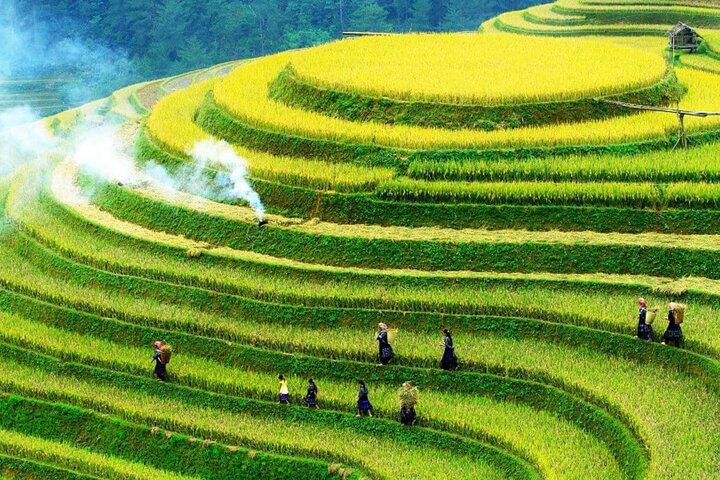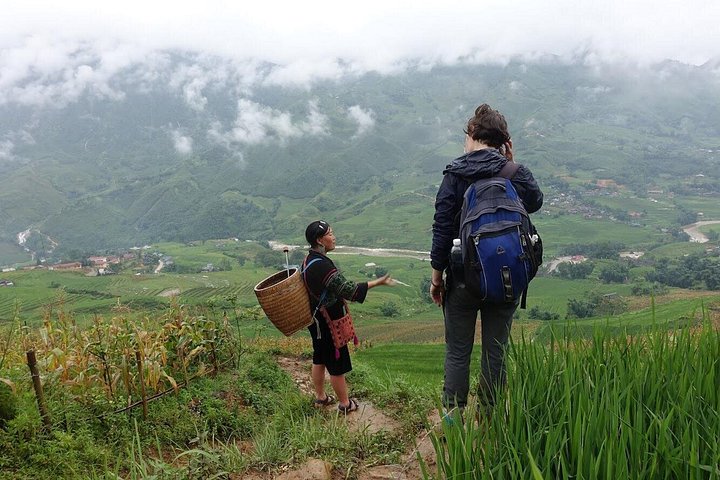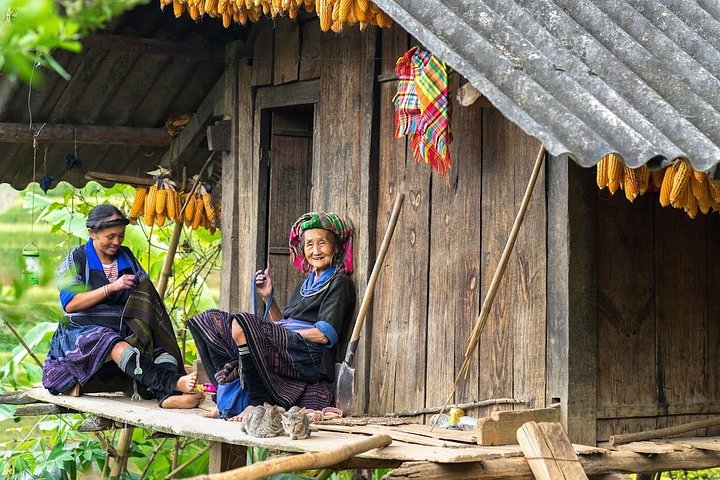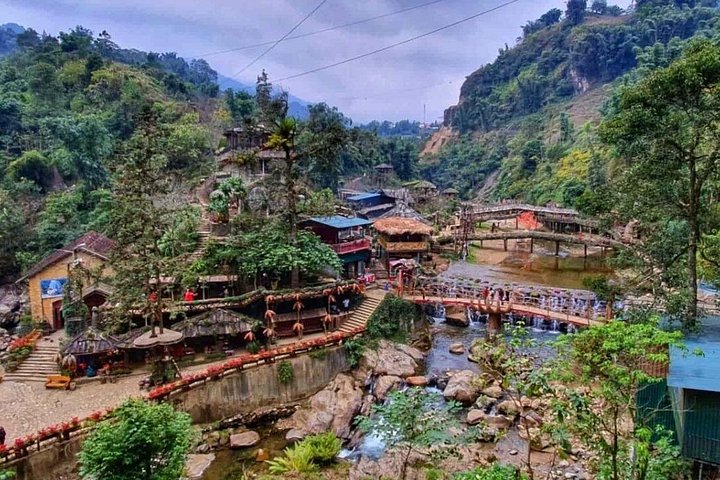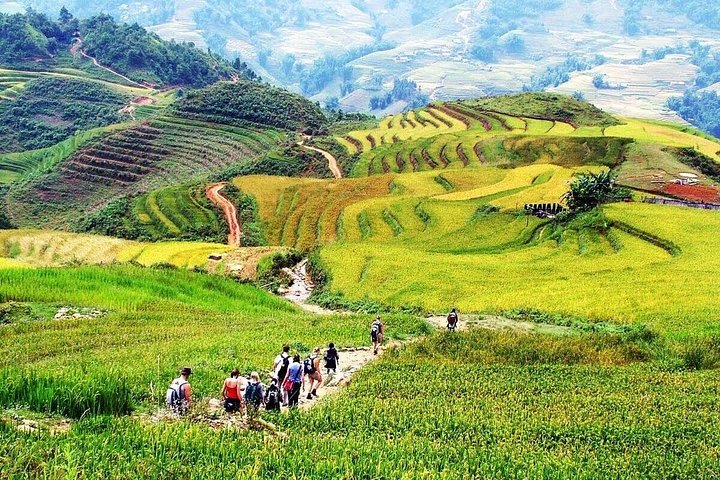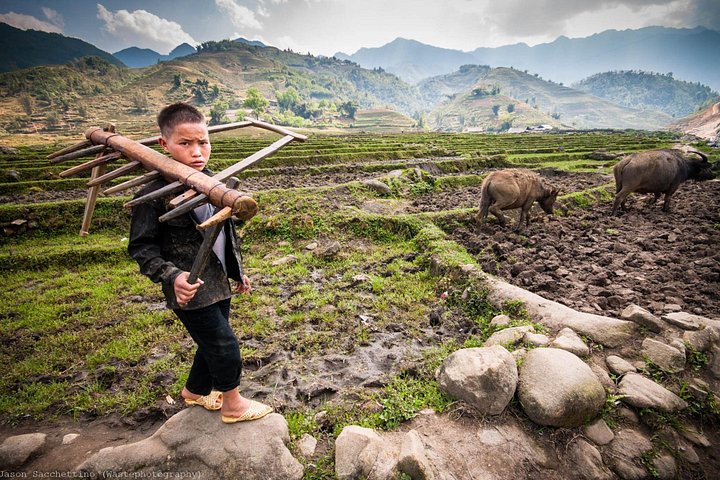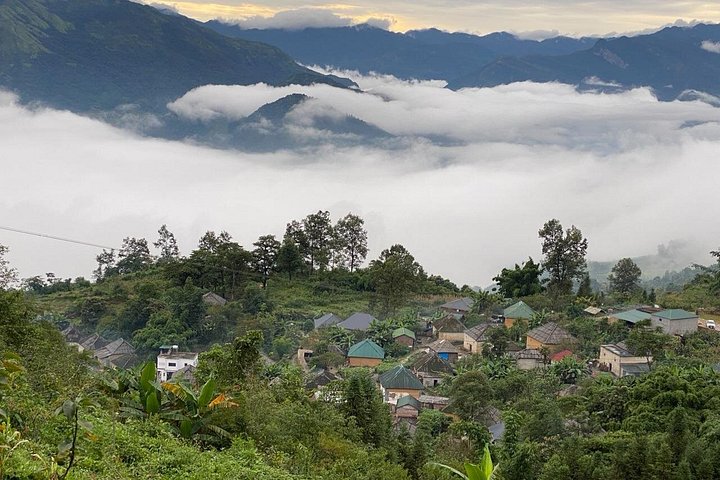
Y Ty is a remote highland area in the mountains north-west of Sa Pa, close to the Chinese border, and it is one of the places where the landscape and the way of life are still little changed. Villages sit at altitude among terraced slopes and forest, and the area is known for its mud-walled, thatch-roofed houses, its sea-of-cloud mornings and the communities who live here, among them Hani, Dao, Hmong and Giay families. The four-day private tour on this page runs from Sa Pa with a driver and guide, giving you time to reach the area, stay overnight in the highlands and see far more than a day trip allows. It is a journey for curious, flexible travellers who accept simple accommodation, long road days and changing weather in exchange for scenery and quiet that the busier valleys have lost.
Understand the commitment. Y Ty is far from the Sa Pa tourist circuit and the roads are long and sometimes rough, so a four-day format makes sense. Expect basic lodging, home-style meals and limited phone signal. Confirm the itinerary with the operator, including where you sleep, what is included and how the return works, and ask about road conditions, which can change with the weather. Travel insurance and a flexible attitude are both worth having.
Plan around the seasons. The terraces follow the same calendar as the rest of the region, with flooded fields in early summer, green growth through the summer and gold in late September and early October. After the harvest the slopes are bare, but the autumn air is clear and the cloud seas that form in the valleys at dawn are most often seen in the cooler months. Winter can be very cold at this altitude, with frost and mist, so pack warm layers whatever the season, along with a waterproof and sturdy shoes.
Visit respectfully. These are small communities with their own customs, and a guide from the region is invaluable for introductions and context. Ask before photographing people or entering houses, dress modestly, and buy crafts or food directly from families if you wish to spend money.
Keep your expectations realistic
The point is the landscape and the unhurried pace, not a checklist of sights. If you want the cloud, the terraces and the quiet but have only a day or two, the Muong Hoa valley and a homestay trek are the shorter alternatives close to Sa Pa.
Finally, be realistic about connectivity and comfort. Phone coverage can be patchy, hot water is not guaranteed and meals are simple, so bring a power bank, a head torch, a small towel and any medication you need. Cash is useful in small villages, where cards are not accepted. Learn a few words of Vietnamese, because a smile and an effort go a long way, and travel with a guide who can bridge language and customs.
The reward is a place that still feels like a long way from anywhere, with clear night skies, quiet lanes and landscapes that change with every bend in the road. Ask the operator how the days are split between driving and walking, since a few short walks between villages make the journey much more enjoyable than hours in the car. Keep a spare day in your plans in case a landslide or heavy rain delays the return.
What to expect
The experience
A private four-day road and village trip from Sa Pa to the Y Ty highlands, with a driver and guide and simple overnight stays.
Best time
Late September to early October for golden terraces, or clear autumn mornings for cloud views.
How long
Four days, with long road stretches and time in villages.
Tips
Pack warm layers and a waterproof, expect basic lodging, ask before photographing people and confirm road conditions before you go.
Quick picks
- Best for
- Curious travellers who want a remote, quiet side of the highlands.
- Families
- Best for older children, given the long drives and simple lodging.
- Couples
- A memorable shared adventure with big scenery.
- Pair with
- A comfortable hotel stay in Sa Pa afterwards.
- Time needed
- Four days.
Good questions
Where is Y Ty?+
It is a remote highland area north-west of Sa Pa, close to the Chinese border. Confirm the route and distances with your operator.
What is the accommodation like?+
Simple, often a village homestay or basic guesthouse. Ask the operator for the exact arrangements.
When is the best time to go?+
Late September to early October for golden terraces, or autumn for clear air and cloud seas at dawn.
Is it cold?+
It can be, especially in winter. Pack layers whatever the season.
Is it suitable for children?+
Better for older children, because of the long drives and basic facilities.