 Free
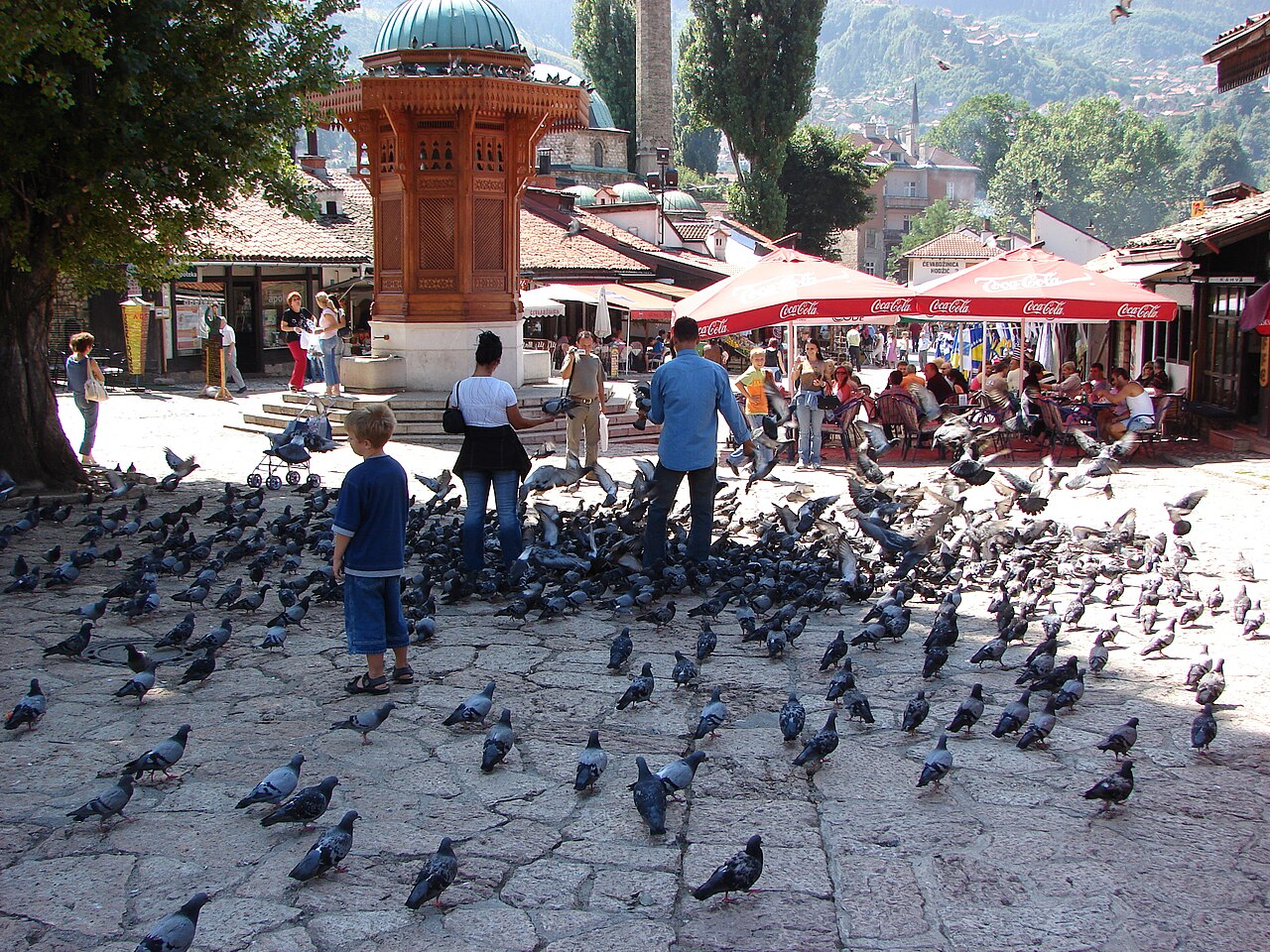
Sarajevo's Ottoman heart: a web of cobbled lanes, copper-beating workshops, coffee houses and the wooden Sebilj fountain. It is free, always open and the place every visit begins, with Bosnian coffee in a copper džezva as the essential ritual.
A small-group walk through Baščaršija, the Sebilj, Kazandžiluk, the Gazi Husrev-beg Mosque, the Clock Tower and City Hall with a local guide, who explains how Ottoman, Austro-Hungarian and Yugoslav Sarajevo fit together. A strong first morning in the city.
The only surviving stretch of the lifeline that kept besieged Sarajevo supplied: a hand-dug tunnel under the airport runway, now a moving museum in the family house where it began. A small-group tour with transport and entry is the easy way to visit.
A half-day driving tour of the 1990s war with a local guide: the Yellow Fortress, the Tunnel of Hope, Sniper Alley and the Olympic bobsled track on Trebević. It is the most complete single introduction to modern Sarajevo, and one of the best-reviewed tours in the Balkans.
The graceful single-arch Ottoman bridge over the Neretva that defines Mostar, rebuilt after its destruction in 1993 and a UNESCO World Heritage Site. A private two-hour guided walk covers the bridge, the cobbled Kujundžiluk street, the Crooked Bridge and Spanish Square.
The classic full-day excursion from Sarajevo: Konjic, Kravice Falls, the hilltop village of Počitelj, the Blagaj dervish house and an hour at the Old Bridge in Mostar. A small group, a licensed guide and a Bosnian brunch make it an easy way to see Herzegovina in one day.
A broad amphitheatre of cascades on the Trebižat river, with a swimming pool at the base in summer, usually combined with the Ottoman hill village of Počitelj, Blagaj and Mostar. The tour we recommend is a full day by comfortable vehicle with a guide.
Full day (10-12 hours)$$Book on Viator → A 15th-century dervish house tucked beneath a limestone cliff at the source of the Buna river, near Mostar. Serene, small and quite unlike anything else in the Balkans, with Bosnian coffee in the garden over the spring.
FreeSarajevo's most important Ottoman monument, completed in 1531 and still the working heart of the old town, with a courtyard, a shadirvan fountain and an adjoining clock tower. Visit outside prayer times and dress respectfully.
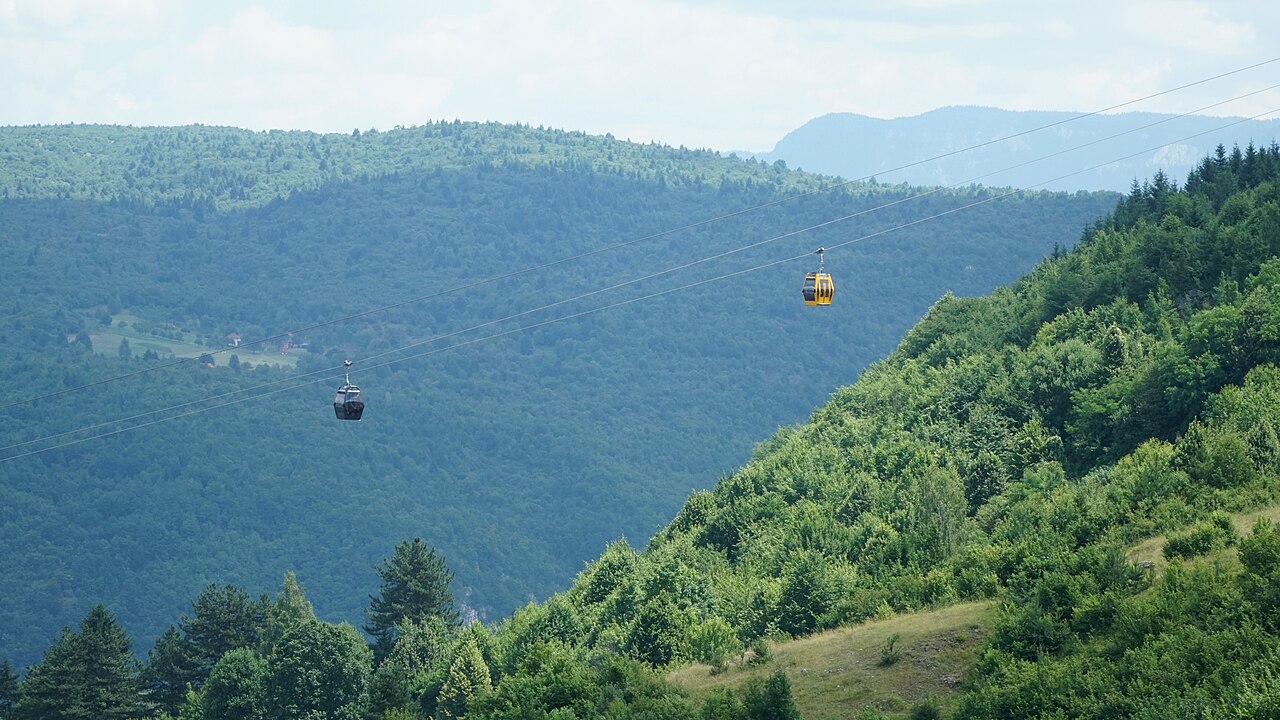
The Sarajevo cable car lifts you from the edge of Baščaršija to the forested slopes of Mount Trebević in a few minutes, for panoramic views over the city and a start on the Olympic bobsled track. It reopened in 2018, and its official site shows it running in early November 2026.