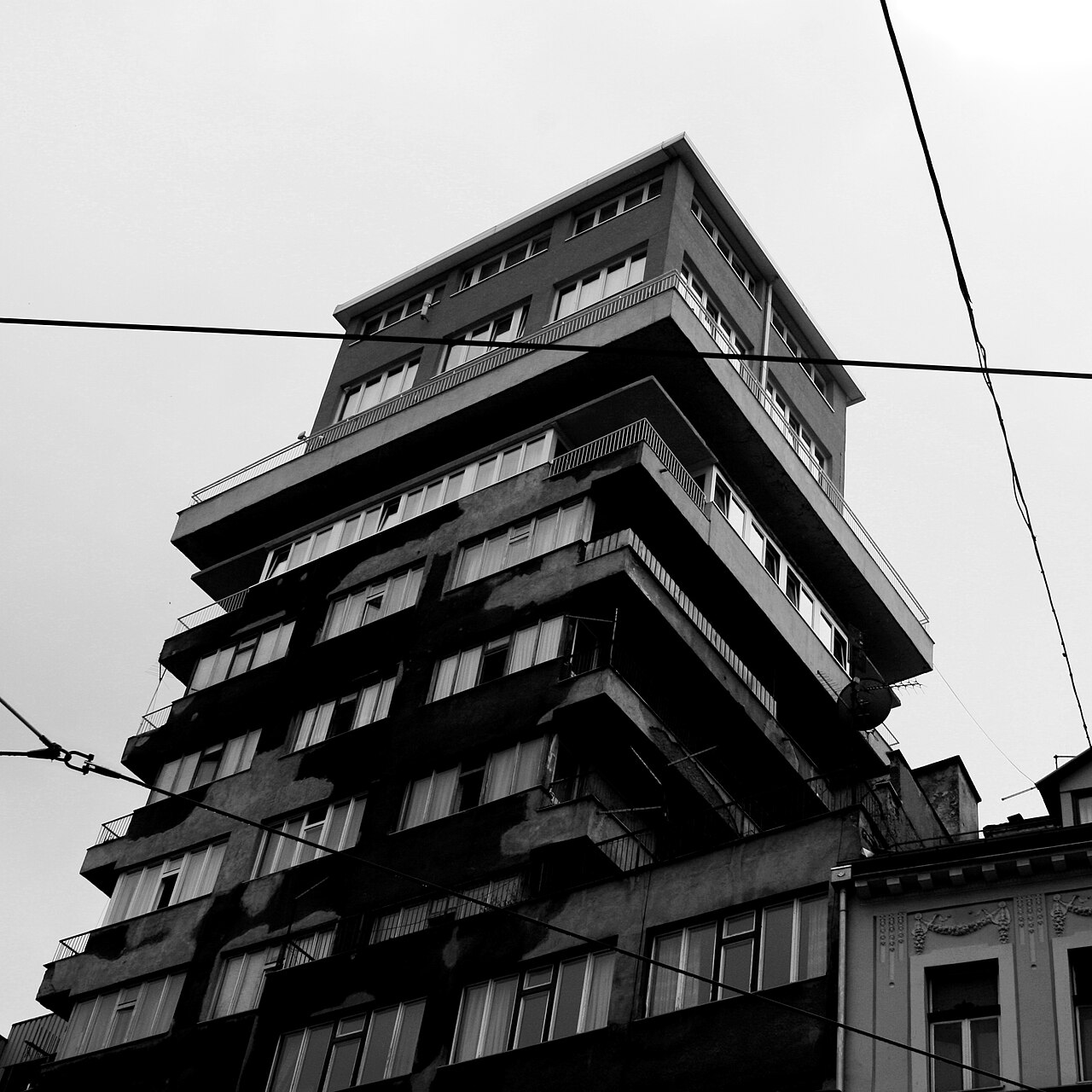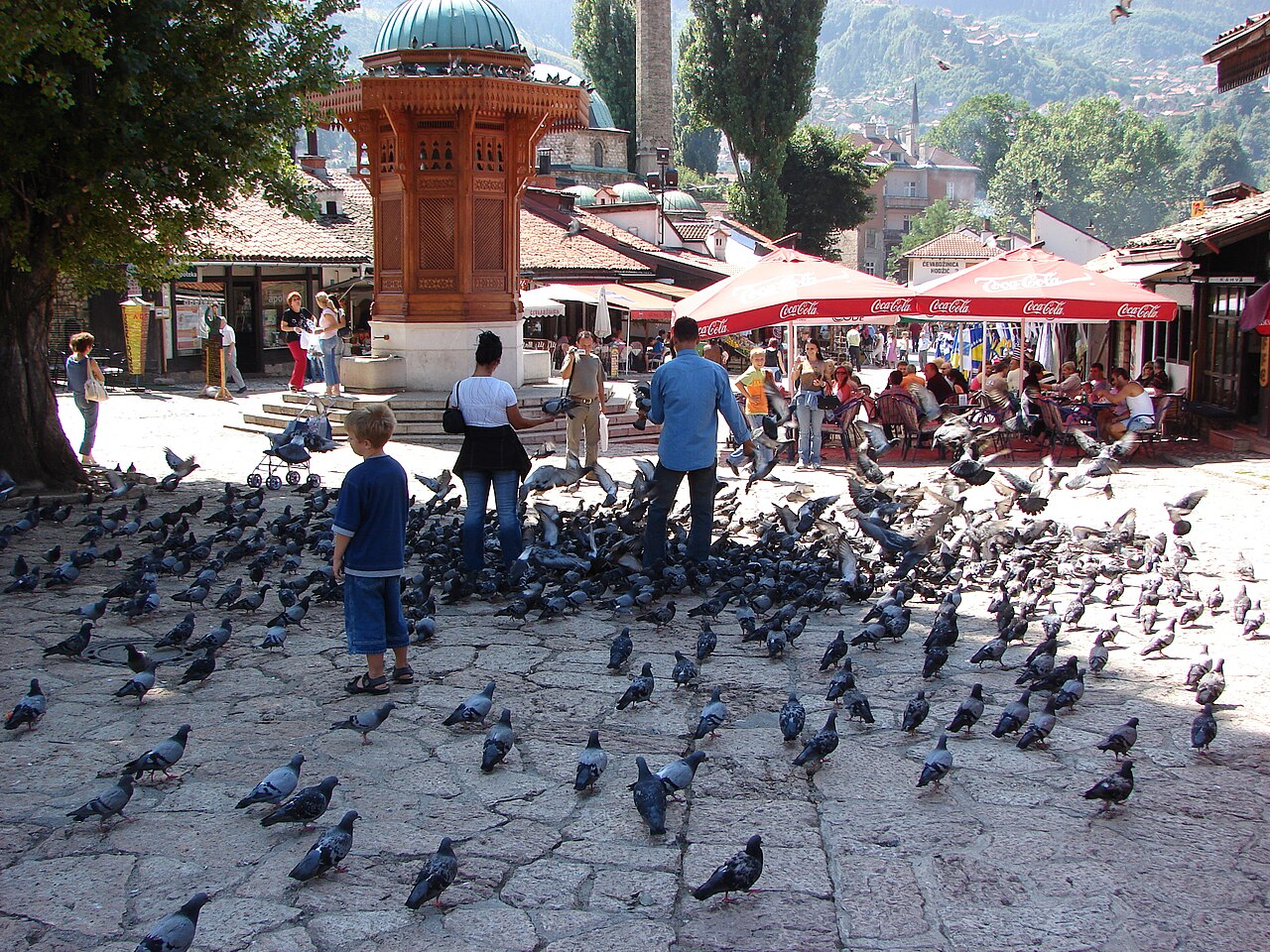
Sarajevo is one of the most layered cities in Europe, a place where an Ottoman bazaar, Austro-Hungarian boulevards, Yugoslav tower blocks and the scars of a 1990s siege all sit within a short walk of each other. Mostar, a couple of hours south, is the postcard that completes the picture: a single stone arch over an emerald river. This guide explains how to fit the headline sights together, what really needs booking and how to move between the two cities without stress.
What to book ahead
Very little in Bosnia needs weeks of planning, but a few things reward a booking. The siege history tour and the Tunnel of Hope visit run on set departures with limited places, and the Old Town walking tour keeps groups small, so reserve a few days ahead, especially at weekends. A guided day trip to Mostar, Kravice and Blagaj is the simplest way to see Herzegovina if you do not have a car; it leaves early and runs about twelve hours, so book it as soon as you know your dates. Everything else, from Baščaršija to the Gazi Husrev-beg Mosque, is free or pay-on-the-day.
How many days
Three days is the minimum for Sarajevo alone, and four lets you add Mostar properly. A simple plan: day one in the old town, with a walking tour, Baščaršija, the mosque and coffee; day two for the war story, with a siege history tour or the Tunnel of Hope and an afternoon at the Trebević cable car if it is running; day three for the Mostar and Herzegovina day trip. If you can, stay one night in Mostar so you see the Old Bridge in the quiet of morning and evening, then add Blagaj and Kravice on a fourth day.
How to get around Sarajevo
The old town is compact and pedestrian, so you will walk most of the time. Trams run along the main boulevard east to west and are cheap, and taxis are inexpensive and easy to hail, but agree a price or use the meter, and consider a ride-hailing app if you have it. The Tunnel of Hope and Olympic sites are outside the centre, so use a tour or a taxi. Wear shoes with grip, because the polished cobbles are slick in rain.
Getting to Mostar
Sarajevo and Mostar are about two hours apart by road along the Neretva valley, one of the most scenic drives in the Balkans. Options are a guided day trip, a rental car, a bus or the train. Check the current timetable for buses and trains and book a seat in busy periods. A day trip handles parking, tickets and timing, which can be chaotic when coach tours arrive from the coast. If you drive, be ready for mountain roads and take your time.
Money and practicalities
The currency is the convertible mark. Cards are widely accepted in hotels and restaurants, but small cafes, bakeries and bazaar stalls often prefer cash, so carry some. Tipping is modest. Dress modestly for mosques and keep shoulders and knees covered. The call to prayer is part of daily life, so a hotel in the old town will have some sound at dawn; ask for a quiet room if you are a light sleeper.
Understanding the history
The war memorial sites are sobering, and guides treat them with care. A good approach is to start with the old town walking tour for the long view, then take a siege history tour for the modern chapter. Be respectful at memorials and cemeteries, and ask before photographing people.
Where to stay
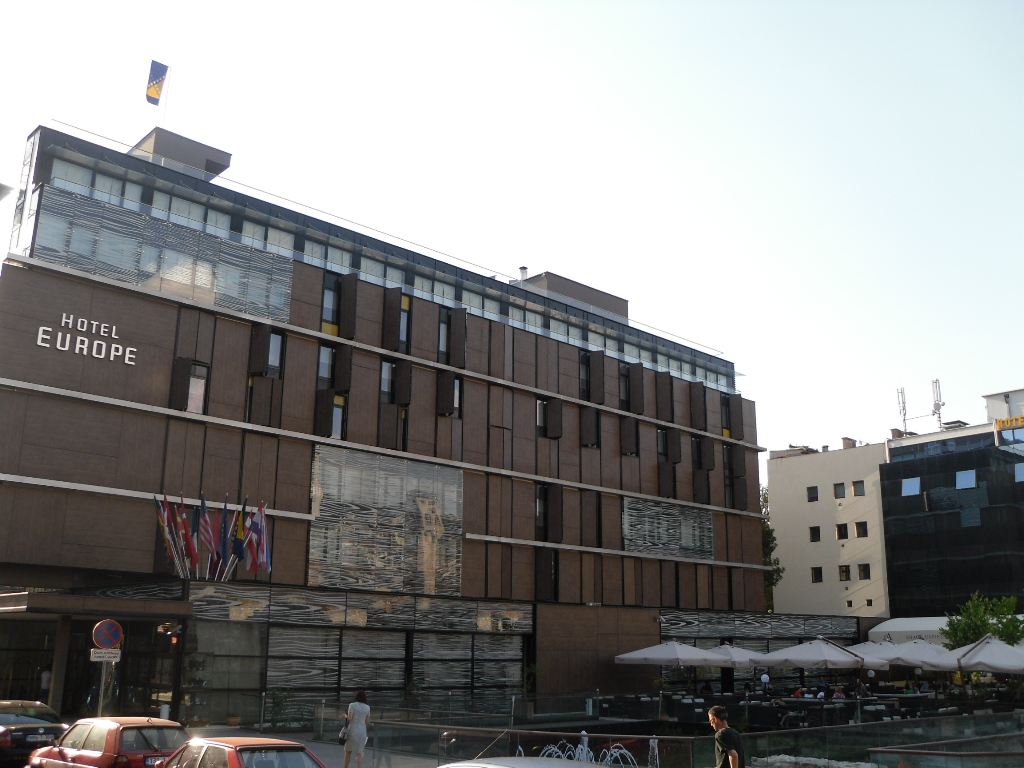
Base yourself in or near Baščaršija for the best walkability: Europe Hotel and Hecco Deluxe Hotel are both a few minutes from the Latin Bridge, while Swissôtel Sarajevo is a modern option a short walk west. In Mostar, Boutique Hotel Old Town is two minutes from the bridge and Hostel Miran is the budget choice. Our where-to-stay guide goes deeper.
When to go
Late spring and early autumn are the sweet spots, with mild weather and fewer crowds; summer is hot, particularly in Mostar, and winter is cold and snowy in Sarajevo, with shorter hours at some attractions. Always check opening times for the cable car and smaller sites, which change with the season.