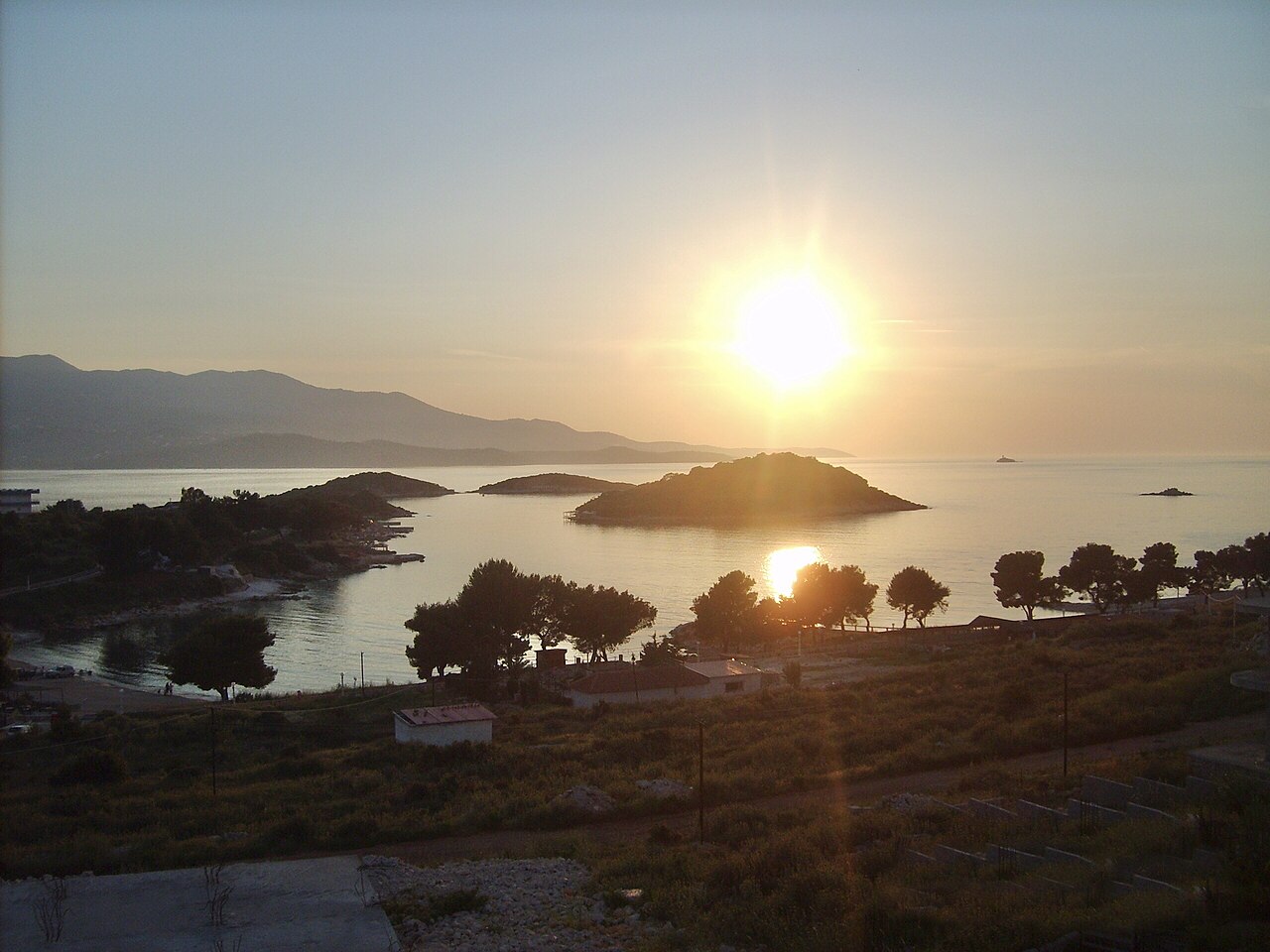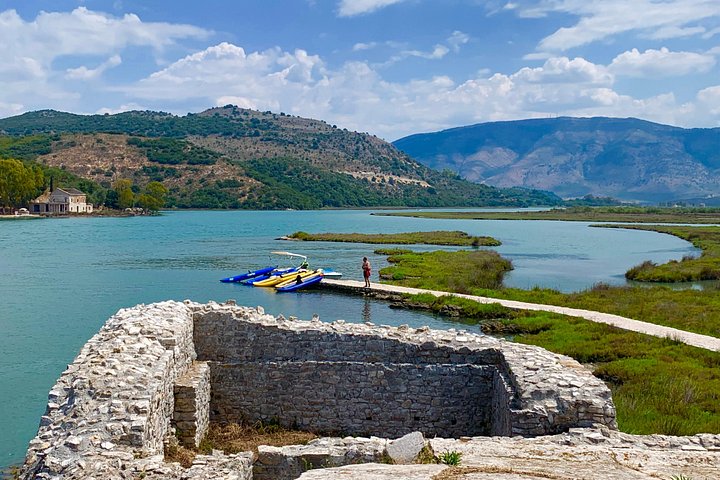
Seeing Butrint from the water changes your view of it. This guided kayaking trip starts at the ancient site and follows the Vivari Channel, paddling past reeds and wooded banks to Ali Pasha's Castle at the channel mouth. The water is calm and sheltered, the birdlife is rich, and the ruins appear above the trees as you pass. It is an easy, rewarding adventure for beginners as well as experienced paddlers, and it adds an active dimension to a visit to the national park.
The Vivari Channel connects the Butrint lagoon with the sea, and its currents are gentle. Guides provide kayaks, paddles, life jackets and a safety briefing, and they set a pace that suits the group. Along the way you may see herons, egrets, cormorants and, in season, migratory birds. Fishermen's nets and mussel farms are visible in the shallows, and the surrounding hills give the lagoon a quiet, enclosed feel. Wind can pick up in the afternoon, so many tours start in the morning.
Ali Pasha's Castle sits at the end of the channel, a small fortress built in the early nineteenth century by the Ottoman ruler of Ioannina, who controlled much of the region. From the water you can appreciate its position, guarding the entrance to the lagoon. Depending on the tour you may land for photographs or simply paddle past. The trip ends with a return transfer, so you do not need to paddle back.
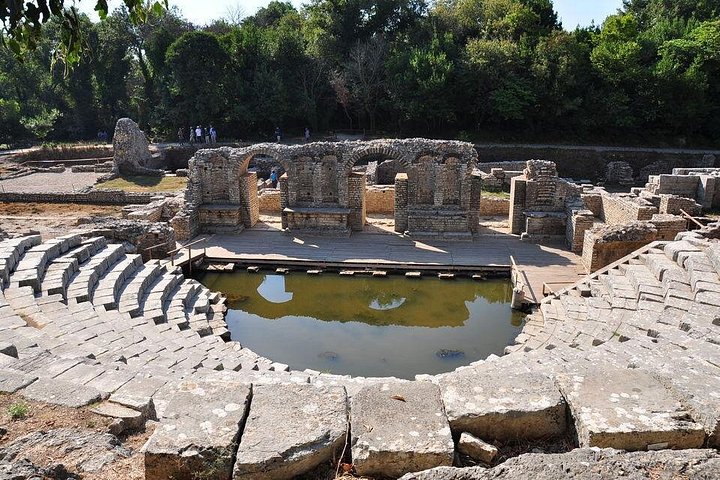
Combining the paddle with a visit to the ruins is an excellent plan. Tours often allow time on land at Butrint before or after the kayaking, though you should check the details and whether the entrance ticket is included. The pairing gives a fuller picture of the landscape: a Greek and Roman city on one side and a lagoon and the sea on the other.
Bring sunscreen, a hat, water, a swimsuit and a dry bag for your phone. Wear shoes that can get wet, and avoid loose items that may fall into the water. Beginners are welcome, but you should be comfortable in the water. Spring and early autumn are the pleasant times, while summer midday heat can be intense on the lagoon.
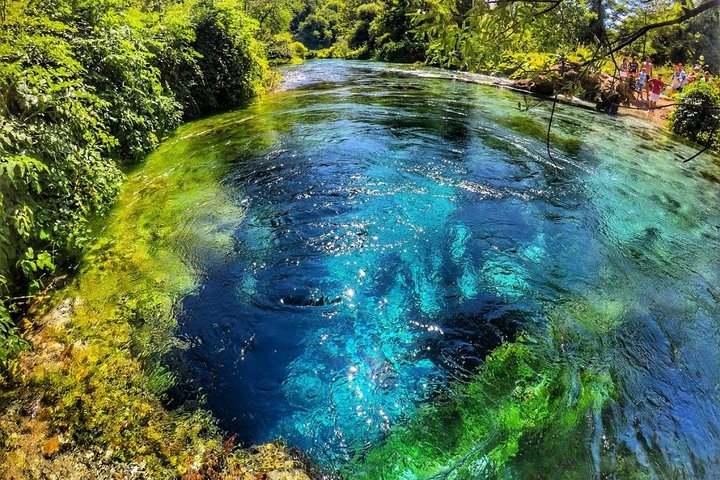
The wildlife angle deserves emphasis. The Butrint lagoon and the Vivari Channel are part of a Ramsar wetland, with reed beds that shelter fish and birds, and from a quiet kayak you can approach much closer than you could on foot. Bring binoculars if you have them, and keep conversation low near the reeds. The experience is peaceful and unhurried, which is exactly why it makes such a good complement to the busier walking circuits of the ancient site.
Check the wind forecast, since the lagoon can become choppy in the afternoon, and let the guide decide whether the full route is wise. Wear a long-sleeved sun shirt if you burn easily, because there is no shade on the water. Keep your phone in a floating case, and ask the guide to take group photographs, as it is easier than juggling a camera while paddling.
Children who are strong swimmers often love the trip, especially when herons lift off the reeds in front of them. Afterwards, a cold drink and a plate of mussels at a lagoon-side restaurant is a classic reward.
What to expect
The experience
A guided kayak trip on the sheltered Vivari Channel from Butrint towards Ali Pasha's Castle, with equipment and a safety briefing.
Best time
Morning, before the wind picks up, in spring, summer or early autumn.
How long
About three to four hours including briefing.
Tips
Bring sun protection, water and a dry bag, and wear shoes that can get wet.
Quick picks
- Best for
- Active visitors who want to combine heritage with a paddle.
- Families
- Suitable for older children who are confident in the water.
- Couples
- Quiet, scenic and not too strenuous.
- Pair with
- A visit to the ruins at Butrint and a swim in Ksamil.
- Time needed
- Half a day.
Good questions
Do I need kayaking experience?+
No. The water is calm and guides give instructions.
Is the entrance to Butrint included?+
It varies, so check the tour details.
What wildlife can I see?+
Water birds such as herons and egrets, plus fish and mussel farms in the shallows.
Is there a minimum age?+
Operators often set one, so confirm when you book.
When is the best time of day?+
Morning, when the water is calm and the light is soft.