Giant sequoias are the largest living things on Earth by volume, and they grow naturally in only a narrow belt on the western slope of the Sierra Nevada. Visiting them is more rewarding if you know what you are looking at. This guide explains the biology, the role of fire, the differences from coast redwoods and the groves worth your time in the southern Sierra.
What they are
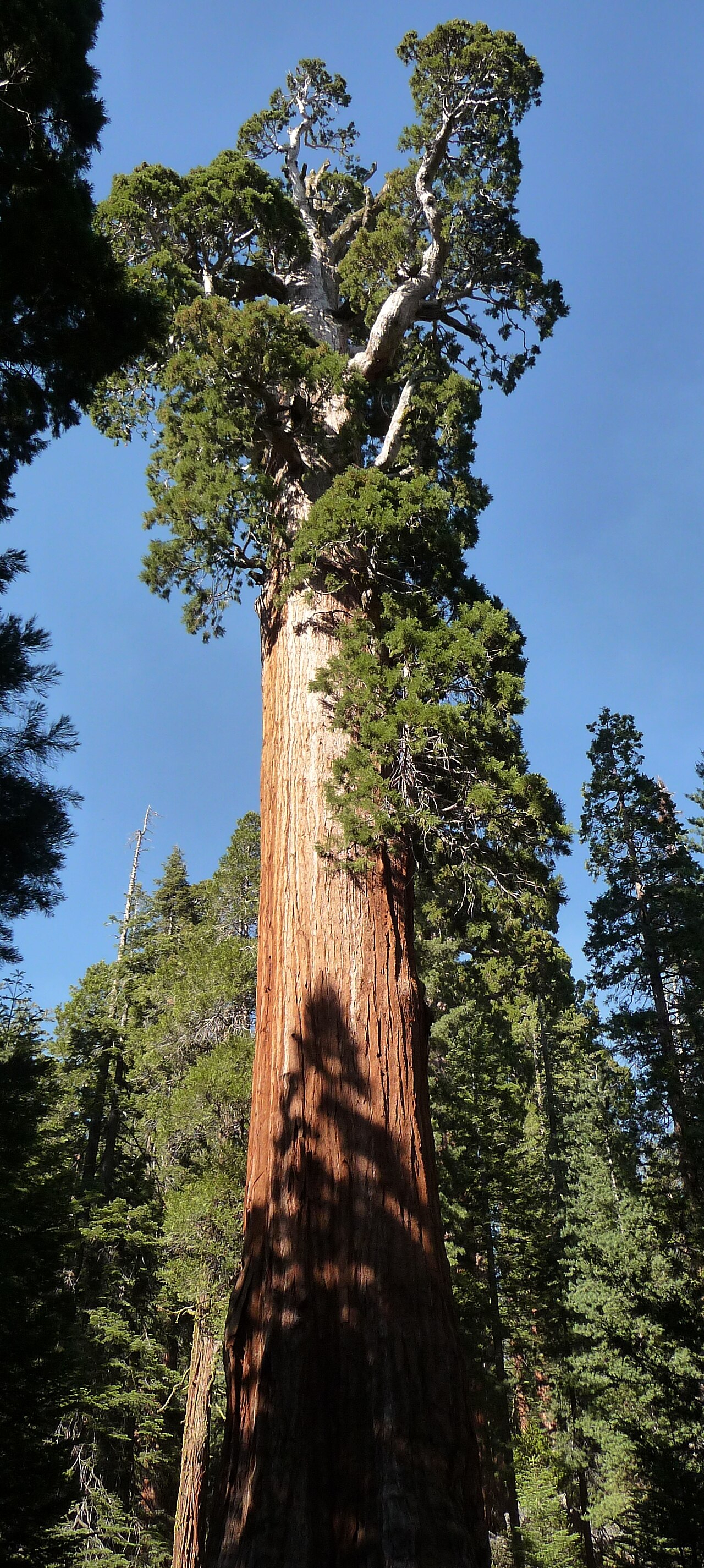
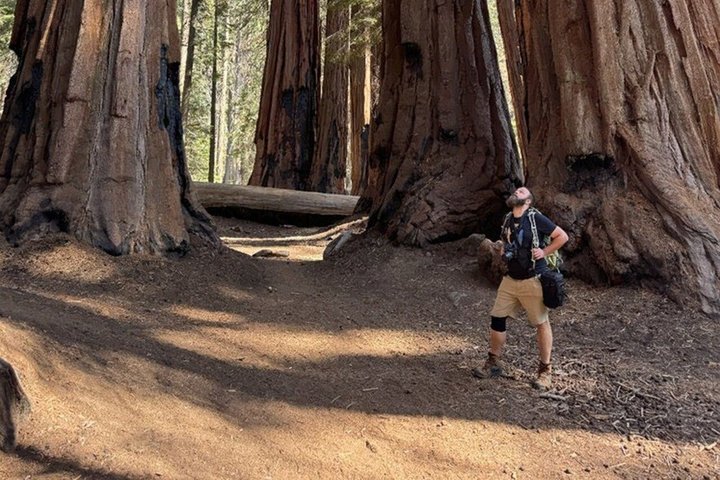
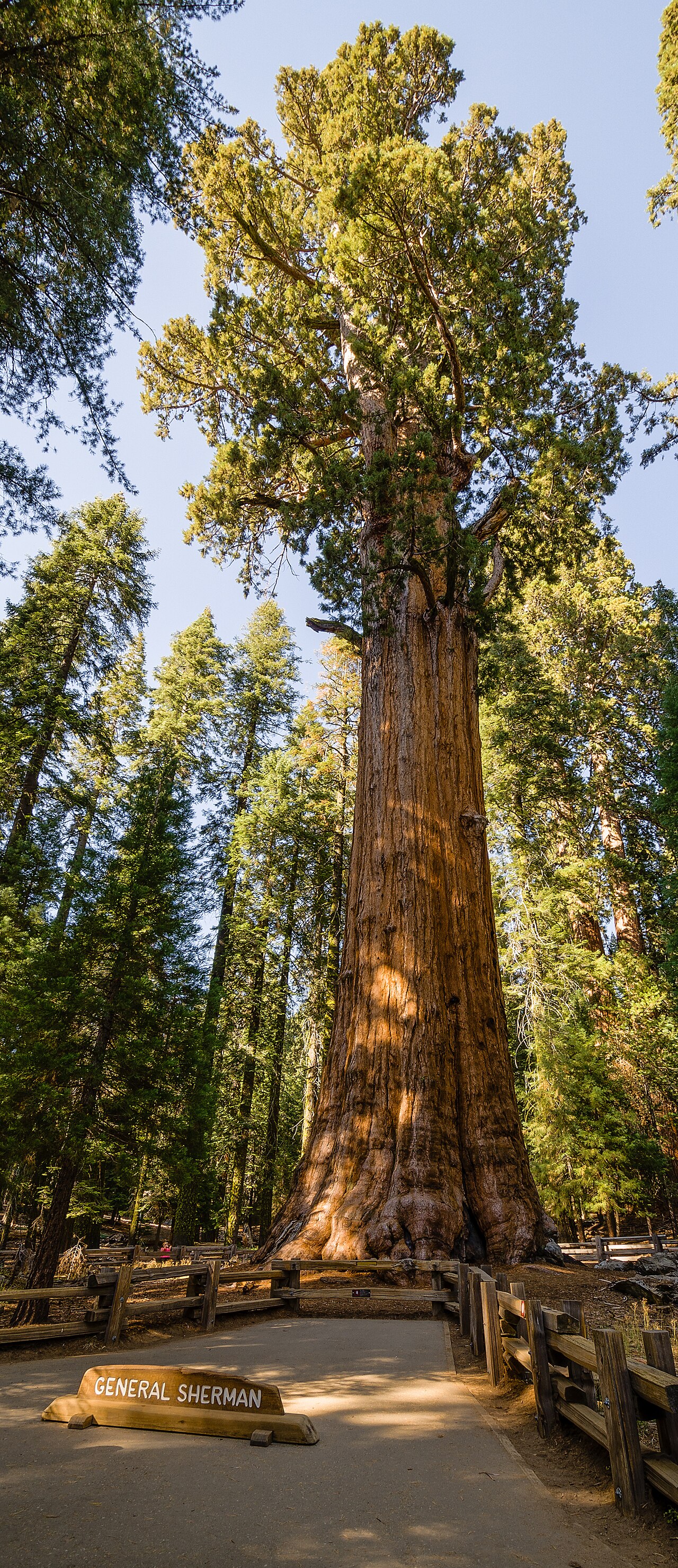
Giant sequoias are conifers that grow in about seventy-five groves between roughly 4,500 and 7,500 feet. They are not the tallest trees, which are coast redwoods, but the General Sherman Tree, at about 275 feet tall and more than 36 feet across at the base, holds more wood than any other single-stem tree. The oldest are thought to be more than 3,000 years old, though the Sherman Tree is usually estimated at around 2,200 years.
Sequoia versus redwood
Coast redwoods grow in fog-fed forests along the Pacific coast and are the tallest trees on Earth. Giant sequoias grow in the mountains, are broader and more massive, and have thick, fibrous, reddish bark with a spongy texture. Their foliage is scale-like and blue-green, and their cones are small, only a couple of inches long, a surprise given the size of the tree. Telling them apart is easy once you see the setting and the shape of the crown.
Why fire matters
Sequoia bark can be two feet thick and is rich in tannins that resist fire and decay, so mature trees survive low-intensity burns. Fire opens the cones, clears the forest floor of competing plants and releases nutrients, creating ideal conditions for seedlings. For decades, fire suppression allowed fuels to build up, and in recent years severe wildfires have killed many large sequoias, prompting park managers to use prescribed burns and thinning to restore healthier conditions. The Sherman Tree was protected during recent fires, showing how management can help.
Shallow roots, wide reach
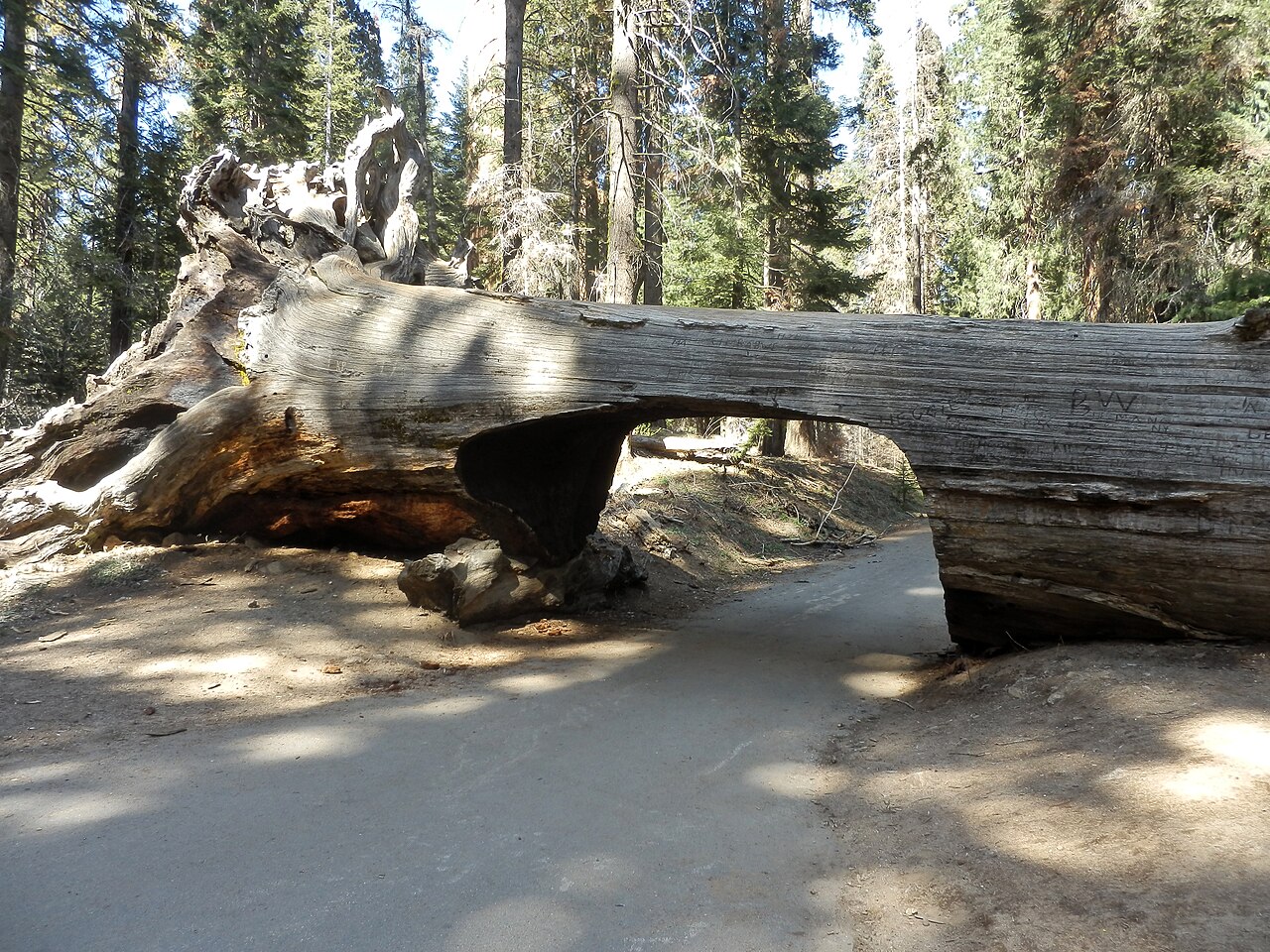
Despite their size, sequoias have shallow root systems that spread out over a wide area, which is why trails and boardwalks protect the soil and why you should stay on paths. The park removed roads and buildings from the Giant Forest in the twentieth century to restore the ground around the trees. Fallen trees decay slowly, sometimes lying on the ground for centuries, and several in the parks have been used for roads and shelters, such as the Tunnel Log and the Fallen Monarch at Grant Grove.
The best groves to visit
The Giant Forest in Sequoia holds several thousand sequoias and the General Sherman Tree, with easy loops such as the Big Trees Trail and the Congress Trail. Grant Grove in Kings Canyon has the General Grant Tree and the Fallen Monarch, and its North Grove Loop offers quiet walking. Crescent Meadow and the trails beyond lead to less visited stands. In the national forest, groves near Hume Lake and Stony Creek see fewer visitors. Each has a different character, so visiting more than one gives a sense of the range.
Seasons among the giants
Spring brings green foliage and meltwater. Summer is warm and busy, with morning the best time for quiet. Autumn offers golden light and fewer people, and winter turns the groves into a snowy world best explored on snowshoes. The trees themselves change little through the year, but the light and atmosphere vary enormously, so a repeat visit in another season can feel like a new place.
Threats and stewardship
Drought, bark beetles and severe fires have taken a toll in recent years, and climate change adds pressure. Visitors help by staying on trails, avoiding fire risks, following campfire rules and supporting park programs. Do not collect cones, bark or branches, and do not carve or climb on trees. Learning about the species before you visit makes the experience richer and helps protect it for future generations.
Seeing them well
Go early or late for soft light and fewer people, bring a wide-angle lens to capture the scale, and stand still for a few minutes to let the quiet settle. Take a guided hike or an audio tour if you want deeper context, and visit the Giant Forest Museum for exhibits. Above all, slow down, because the best way to appreciate a tree that has lived for two thousand years is not to hurry.