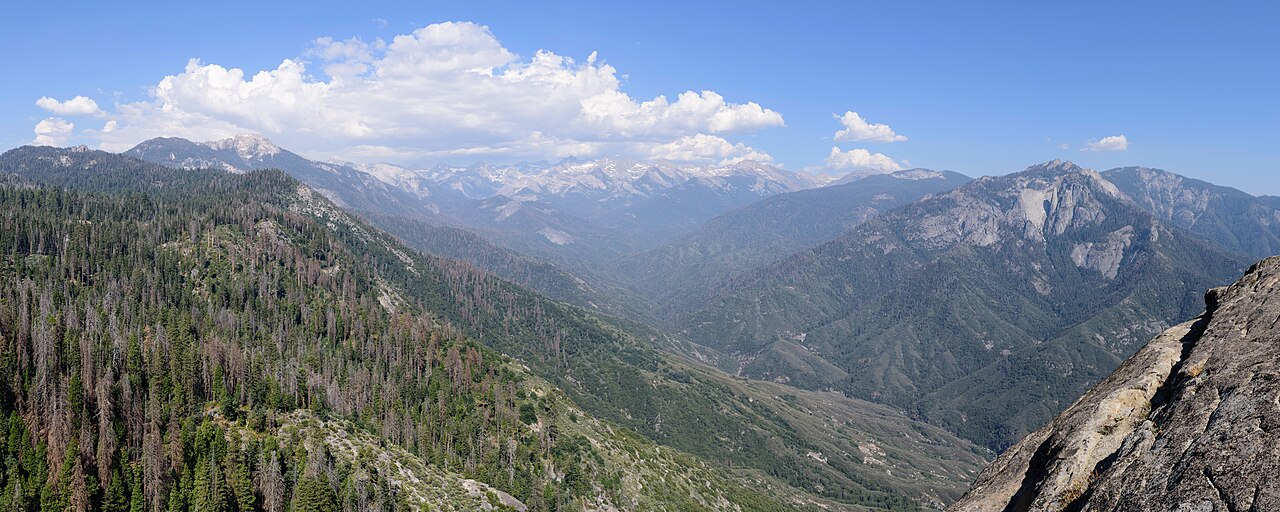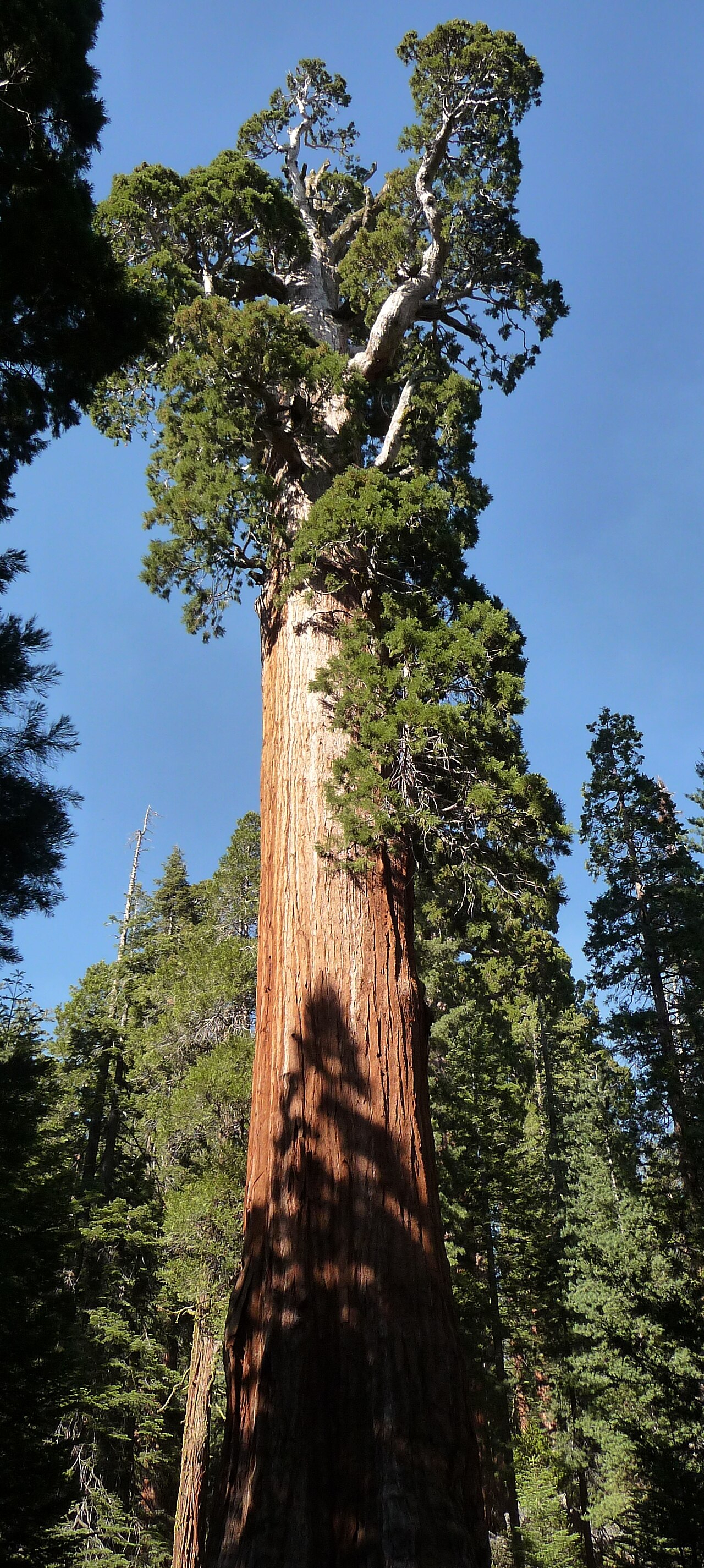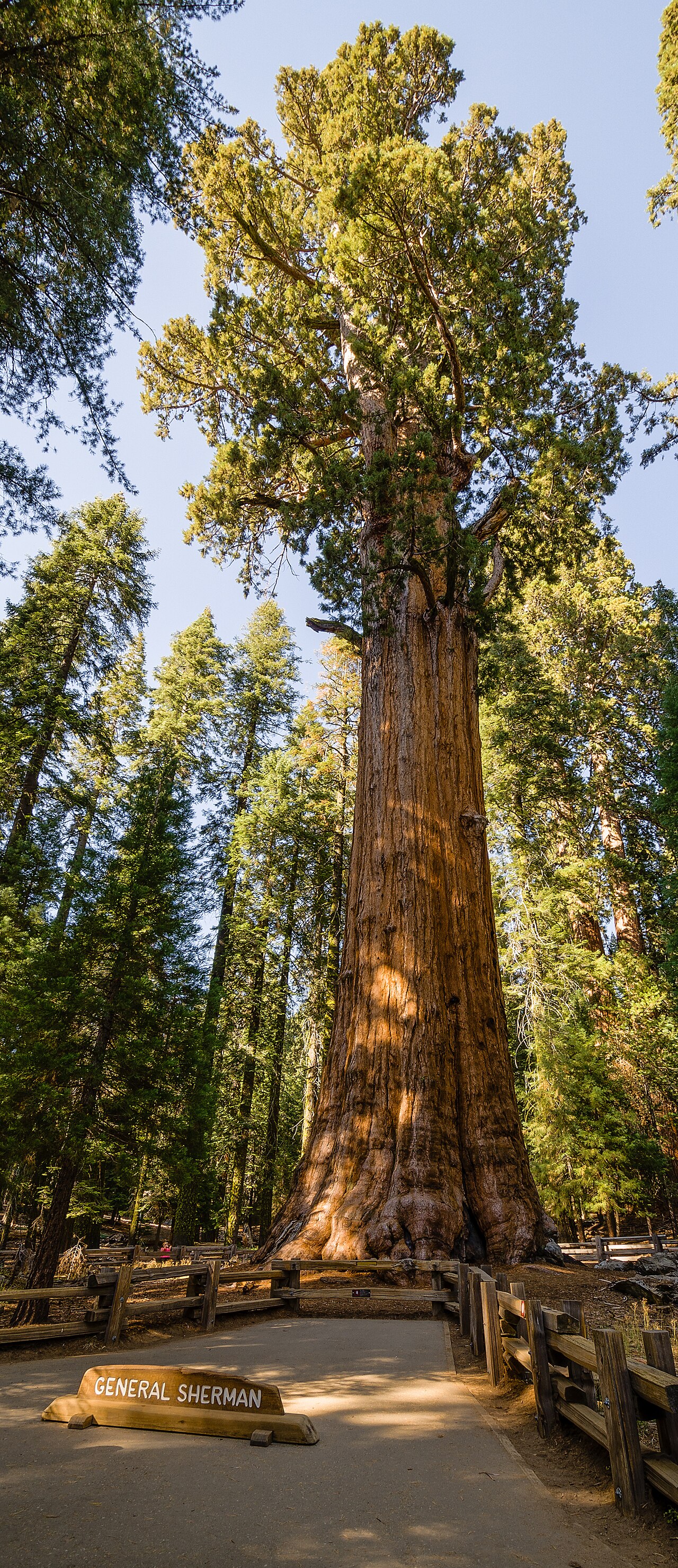
Sequoia and Kings Canyon National Parks are managed together and share a long border in the southern Sierra Nevada, but they feel like two different worlds. Sequoia is the famous half, home of the General Sherman Tree and the Giant Forest, while Kings Canyon holds Grant Grove and one of the deepest canyons in North America. Understanding how the roads connect them, and how the seasons change what you can reach, is the key to a good first visit.
Get the layout straight
Two main roads lead in. Highway 198 from Visalia climbs through Three Rivers to the Ash Mountain entrance of Sequoia, then continues as the Generals Highway through the foothills to the Giant Forest, about sixteen miles and an hour of winding road from the entrance. Highway 180 from Fresno reaches Grant Grove in Kings Canyon, and a short drive beyond it the Generals Highway links the two parks, so you can drive from one to the other in roughly an hour. From Grant Grove, Highway 180 also continues down the Kings Canyon Scenic Byway to Cedar Grove, but that road is typically closed in winter.
Know the big sights
In Sequoia, the General Sherman Tree is the largest living tree on Earth by volume, with a paved trail from a nearby parking area. Close by, the Giant Forest Museum anchors easy loops such as the Big Trees Trail, and Moro Rock rises above the forest with a stone staircase to a summit view. Crescent Meadow and the Tunnel Log sit on the road beyond. In Kings Canyon, the General Grant Tree and the Fallen Monarch are the headline in Grant Grove, with Panoramic Point nearby for a Sierra panorama. Farther down the canyon road, Zumwalt Meadow and Roaring River Falls make easy walks.
Plan for the roads
The Generals Highway is narrow and winding, and vehicles longer than about 22 feet are restricted on some park roads, including the spur to Moro Rock and Crescent Meadow. The highway can close temporarily in large storms between the Giant Forest and Grant Grove, and winter driving may require tire chains, so carry them from fall to spring. Cell service is poor across much of the parks, so download maps in advance and fill your gas tank before you go, since fuel inside the parks is very limited.
Understand the seasons
Spring brings waterfalls, green foothills and wildflowers, with snow lingering at higher elevations. Summer is the busiest season, with every road open, though afternoon heat in the foothills can be intense and parking at the Sherman Tree fills early. Autumn is quieter, with golden light and cooler air, but facilities begin to close, and the canyon road typically closes in mid-November. Winter turns the sequoia groves into a quiet, snowy world for snowshoeing and snow play, and access is limited to the roads that are plowed and open.
Know the entry rules
Entrance is paid at the gate, and a seven-day pass covers both parks. Non-resident visitors aged sixteen and over pay an additional per-person fee, and annual passes are available, so check the current fee structure on the park website before you go. Bring a photo ID if you use a pass. The cave tours, shuttle service and some facilities operate seasonally, so confirm what is open for your dates.
Choose a base
Staying inside the parks gives you the sequoias at the quiet ends of the day. John Muir Lodge in Grant Grove Village is the main in-park option in Kings Canyon, and Stony Creek Lodge sits in the national forest between the two groves. Outside the park, Three Rivers has a cluster of motels, inns and AutoCamp Sequoia, only minutes from the Sequoia entrance. Visalia, farther west, offers chain hotels such as the Marriott, Hampton Inn and Fairfield Inn at moderate prices, and works well if you are happy with an hour's drive each way.
Layer your first day
Start early at the General Sherman Tree, walk the Congress Trail or the Big Trees Trail, then climb Moro Rock before the afternoon haze and thunderstorms arrive. In the afternoon, drive to Crescent Meadow and Tharps Log for a quiet walk. On day two, head to Grant Grove for the General Grant Tree, Panoramic Point and, if the road is open, the descent into the canyon. If you have only one day, choose the Giant Forest and add a stop at Hospital Rock on the way.
Stay safe and respectful
Black bears are present throughout the parks, so store food in the lockers provided and never leave it in a parked car. Stay on trails to protect the shallow roots of the sequoias, keep a safe distance from wildlife, and never swim or wade near waterfalls or fast water. Altitude above 6,000 feet can cause headaches and breathlessness for visitors from sea level, so drink water, eat well and take it easy on the first day. Bring layers, because temperatures can change by twenty degrees between the foothills and the groves.
If you do not want to drive
Guided tours operate from Three Rivers, Tulare, Fresno and the park lodges, and a self-guided audio tour is a low-cost alternative if you have a car. Each approach has trade-offs in cost and flexibility, so compare them before you book. Whichever you choose, give yourself more time than you think you need, because the mountain roads are slow and the sights deserve unhurried attention.